
Yamba Fishing Charters
Yamba fishing charters access river walls, tidal flats, offshore reefs, and deep estuary bends shaped by the Clarence River’s flow and coastal current.
TrustedFish connects anglers with proven local captains in Yamba, AU —no commissions, no pay-to-play listings, no BS. Every charter on our platform is invite-only, vetted for skill, local knowledge, and reputation. If they’re listed, they’ve earned it.
Top Rated Charters in Yamba
Yamba Fishing Guide
Yamba sits where the Clarence River meets the Pacific, and the entire fishery runs on how that river pushes water in and out of its rock walls, sand flats, and deep interior channels. Guides watch river flow first, tide second, and wind last, because the river’s push decides where bait sits. When flow is strong, bait forms tight lanes along the inside wall and predators sit behind the pressure pockets. When flow is weak, bait spreads across the flats, and fish move wider before settling along deeper edges as the tide turns.
Inside the river mouth, mulloway are the main draw. They hold on pressure points, holes, wall breaks, and the first major depth change off the flats. On the outgoing tide, mulloway sit behind the first ledge where falling water pushes mullet and herring through the gaps. When tide slows, mulloway rise slightly and track along the wall. On the incoming, they often suspend off the drop-offs where clean ocean water meets river water. Guides anchor or slow-drift these positions, matching lure depth to the exact band fish are holding.
Flathead are predictable but not easy. They work drain mouths, channel edges, and shallow flats on tide movement. On rising water, flathead push onto warm sand and hunt bait drifting with the tide. On falling water, they wait at the drains or soft edges where bait concentrates. Guides run controlled drifts on these edges, placing plastics or live baits where the current naturally sweeps food.
Offshore reefs sit close to the river mouth and give quick access to snapper, pearl perch, and kingfish. The offshore zone fishes best when the East Australian Current softens and allows bait to hold near the bottom. When current is strong, fish stay tight to structure, and slow-pitch jigs or weighted baits become the only effective approach. When current weakens, snapper push higher, especially during low-light windows, and guides run long drifts across rubble patches. Wind direction changes clarity fast; nor’easters dirty the nearshore, while southerlies clean it.
Yamba’s strength is that you have three active zones in one run. If the river dirties after rain, guides push offshore; if swell shuts offshore down, they work the river mouth or interior bends; if wind flattens the bar, they access reef and offshore grounds quickly. The Clarence River stores bait year-round, so even when ocean conditions are unstable, the estuary remains productive.
Fish respond heavily to light. Mulloway feed hardest in low light or during pressure drops. Flathead feed along travel lanes on bright days but sit motionless when tide slackens. Offshore, snapper rise at dawn and dusk, then drop deep as light increases. Kingfish hold mid-column and respond to current pace more than anything.
For anglers, Yamba delivers variety: mulloway in the river mouth, flathead and bream across the estuary, snapper and kingfish offshore, and pelagics in season. This versatility gives charters the ability to build productive sessions no matter what the weather does. That reliability is why Yamba is a consistent fishing location year-round.
Popular Fishing Areas
Yamba North Wall
A primary mulloway lane where river flow hits rock, forming pressure pockets and depth breaks. On outgoing tide, bait flushes along the wall and predators sit in the first depression off the edge. On incoming, fish suspend mid-column where clean water mixes with river flow. Guides fish slow baits or heavy plastics, keeping presentations tight to the rock.
Middle Wall / Oyster Channel Edge
Flathead, bream, and mulloway work the edges where deeper water meets flats. Rising tide pulls predators onto the soft sand edges; falling tide concentrates bait at the drain mouths. Guides drift parallel to the wall, adjusting lure depth to stay just above the bottom contour.
The Turbine / River Mouth Drop-Off
Strong current zone where bait stacks when flow accelerates. Mulloway, trevally, and tailor feed aggressively during tide changes. Guides time passes around the slack period when current softens enough for controlled presentations.
Offshore Reefs (South & North Grounds)
Snapper, kingfish, and pearl perch hold along relief. When current slows, snapper rise and feed aggressively along rubble. When current strengthens, bottom fishing becomes the focus. Guides drift across contour changes, watching sounder marks for mid-column predators.
Iluka Bluff Nearshore Zone
A productive nearshore edge with baitfish, tailor, and mulloway movement. Works best on lighter swell and early light. Guides cast metals or run small livies along the contour where bait is pushed tight to rock.
Extended Target Zones
Rompins Channel
Inside bend with consistent flathead and bream numbers. Best on the outgoing tide when bait drains into the deeper pocket. Clean water improves bite windows.
Goodwood Island Flats
Wide flats with warm-water flathead movement. Rising tide creates short feeding windows across sand patches. Guides work plastics over shallow lanes where bait lifts.
Woody Head Nearshore Reef
Close reef system for snapper and tailor. Works well on low swell and clean water. Guides run controlled drifts over scattered rubble.
Back Channel Deep Holes
Deep estuary basins where mulloway hold during slack water. Guides use live baits or slow plastics, keeping presentations low and steady.
Fishing Seasons in Yamba
Spring
Bait increases across the estuary and river mouth. Mulloway feed more consistently on the walls and drop-offs. Flathead push onto warm edges and strike aggressively during rising water. Offshore, snapper remain active, and kingfish begin showing along deeper reefs. Water clarity improves with lighter winds, giving guides more opportunities for precise drifts across productive structure.
Summer
Warm water pulls flathead shallow across the estuary flats, and early morning sessions produce strong numbers. Mulloway feed heavily during night tide changes and early morning slack. Offshore pelagics such as mackerel and tuna move closer to shore when the East Australian Current stabilizes. Swell conditions dictate offshore access, but river and nearshore zones stay productive even when the bar becomes rough.
Fall
One of the most reliable seasons. Stable conditions create long feeding windows for mulloway along the river mouth. Flathead remain active along edges and drains as water cools gradually. Offshore snapper and kingfish feed aggressively as current patterns shift. Guides use this period to mix estuary fishing with offshore structure sessions, often producing consistent action across multiple zones.
Winter
Cooler water pushes snapper shallow early, with long drifts across nearshore rubble producing quality fish. Mulloway stay active along the walls, especially on outgoing tide when bait holds tight. Flathead drop deeper into channels and respond well to slow, bottom-oriented presentations. Offshore current weakens, improving bottom fishing for pearl perch and trag. Guides often split sessions between river mulloway and nearshore snapper depending on wind direction.
Top Gamefish in Yamba
- Mulloway – 10–60+ lbs Hold along river walls, holes, and drop-offs; feed strongest during tide changes using live baits or slow plastics.
- Flathead – 2–10 lbs Sit on sand edges, drains, and shallow flats; respond to slow drifts and soft plastic presentations.
- Snapper – 2–15 lbs Hold on reefs and rubble; rise during low light; taken on plastics, baits, and jigs.
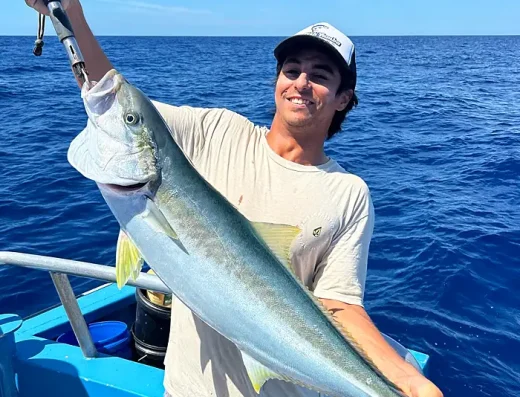
- Kingfish – 10–40 lbs Work deeper reefs; respond to live baits, jigs, and fast presentations.
- Tailor – 1–6 lbs Track bait along surf edges and river mouths; hit metals and small stickbaits.
- Pearl Perch – 2–8 lbs Sit deep on offshore structure; targeted with bait or slow-pitch jigs.
Yamba Fishing FAQs
Best time to fish Yamba?
Year-round, with snapper and mulloway strongest in winter–spring.
Is the bar hard to cross?
Conditions vary. Charters operate safely and adjust location based on swell.
How far are offshore reefs?
Close. Most structure sits within short running distance.
Do estuary trips produce consistently?
Yes. The Clarence River holds bait year-round.
Do charters clean fish?
Yes—filleting is done at the dock.
Are live baits used?
Common for mulloway, snapper, and kingfish when conditions allow.