
North Haven Fishing Charters
North Haven fishing charters access the Camden Haven River, dynamic bar edges, inshore reef systems, and shallow-to-deep transition zones that hold fish through seasonal current and tide shifts.
TrustedFish connects anglers with proven local captains in North Haven —no commissions, no pay-to-play listings, no BS. Every charter on our platform is invite-only, vetted for skill, local knowledge, and reputation. If they’re listed, they’ve earned it.
Top Rated Charters in North Haven
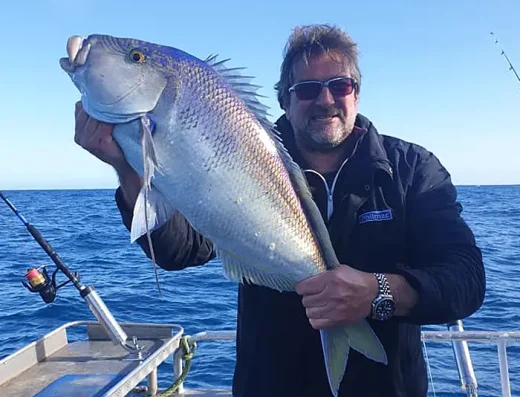
North Haven Fishing Guide
North Haven’s fishery revolves around the Camden Haven River and the way its flow interacts with the bar, the estuary bends, and the inshore reef line. Everything starts with how the river pushes water out and how fast the ocean pushes water back in. That exchange controls bait movement, clarity, and where predators set up. Guides work the area by watching current direction, sand movement near the bar, and water height inside the river—not the tide chart alone.
The river mouth is the primary zone. On outgoing water, bait evacuates the system through the main channel and forms tight lanes along the inside wall. Mulloway hold in the deeper pockets, waiting where the flow slows just enough to trap bait. When the tide turns and ocean water pushes in, mulloway shift higher in the column and track along the wall or drop-off, becoming more responsive to soft plastics and naturally drifting baits. Trevally, tailor, and bream ride the same lanes, especially when wind settles and clarity improves.
Inside the river, flathead dominate the edges and drain mouths. They position on sand transitions, deep edges, and warm flats. Rising water pulls bait onto shallow ground, and flathead follow until the tide slows. Falling water is the most predictable pattern; bait is forced off the flats and concentrates in drains and channels, and flathead sit at the mouth of each drain waiting for movement. Guides drift these edges, keeping baits or lures near the bottom where fish stack during the turnover.
Further upriver, bream and whiting work the flats and channel edges depending on water height and clarity. Fish respond strongly to light. Bright, still mornings push bream under structure, while overcast conditions or slight chop allow them to feed wider. Local fishing guides adjust positioning constantly to match clarity, as the river shifts color rapidly after rain or wind.
When swell or wind affects the bar, charters move inside. But on cleaner, safer mornings, the bar crossing opens access to productive inshore grounds. Only a short run offshore fishing charters puts boats onto reefs, gravel patches, and scattered rubble holding snapper, pearl perch, cobia, and kingfish. Snapper climb up into the mid-column on soft light or low current, feeding freely over wider ground. When current strengthens, they drop deeper and hold close to harder relief. Kingfish track the deeper ridges and respond to vertical jigs or slow-trolled live baits.
North Haven benefits from having three fully functional zones within minutes of each other: river mouth mulloway, flathead and bream inside, and snapper and kingfish offshore. Conditions decide where charters go, but there’s always productive water available. The combination of strong tidal flow, reliable bait movement, and quick transitions between habitats gives North Haven one of the most consistent charter fisheries on the Mid North Coast.
Popular Fishing Areas
North Haven Bar & South Wall
This is the main mulloway lane. Outgoing water compresses bait against the wall, and mulloway hold in the deeper pockets where current slackens. On incoming tide, clean ocean water pushes fish up the edge, making them more responsive to lures. Tailor and trevally feed along the same seams at dawn and dusk. Guides position the boat to run slow drifts or anchor just outside the heaviest pressure zone.
Camden Haven River – Flats & Drains
Flathead use these edges as ambush points. Rising tide floods the flats, and fish spread into shallow sand pockets. Falling tide forces bait into narrow drains, concentrating fish into predictable positions. Bream and whiting move across these same areas, especially during warm, stable conditions. Guides drift edges, adjusting lure depth to stay within inches of bottom where fish hold.
Dunbogan Deep Holes
These basins hold mulloway and flathead during slack water. Fish sit low when current is minimal, then begin feeding as water accelerates. The first push of incoming tide often triggers strong mulloway bites. Guides use live baits or slow plastics and match presentation depth to the exact holding band.
Inshore Reefs (Crowdy, Perpendicular Point)
Productive grounds for snapper, kingfish, and mixed reef fish. Snapper push high on low light and low current, feeding actively on plastics and lightly weighted baits. When current strengthens, deeper jigging becomes the main approach. Kingfish run tight to harder structure and respond to faster presentations. Clarity improves with south winds and drops quickly with northerlies.
Gravel Patches North of the Bar
These broken rubble areas hold snapper on calmer mornings. Bait drifts naturally across the patches, and snapper feed mid-column before dropping deeper as light increases. Guides run long drifts across the patch edges, watching sounder marks for suspended fish.
Extended Target Zones
Gogley’s Lagoon
A sheltered area with bream, whiting, and flathead. Works best on rising tide when clean water enters and lifts bait across shallow ground. Falling tide pushes fish to channel edges. Guides use light presentations in quieter water to avoid spooking fish.
Watson Taylor Lake
A warming zone that draws flathead and whiting into accessible edges. Ideal during summer when shallow water heats quickly. Best fished on rising water and early light before boat traffic increases.
North Haven Beach Gutters
Prime tailor and whiting water. Gutter edges hold predators when swell pushes bait inside. Works best at dawn with moderate surf energy.
Perpendicular Point Wash Zone
Rocky nearshore structure with kingfish, snapper, and tailor. Feeding activity depends on surge strength. Guides time passes based on swell direction and clarity.
Fishing Seasons in North Haven
Spring
Bait increases across the system, drawing mulloway into the bar area and deeper holes. Flathead push onto warm flats and edges, with strong outgoing-tide action. Offshore, snapper remain active and kingfish begin showing on deeper ridges. Clarity improves as winds stabilize, giving guides more flexibility to switch between inshore and offshore zones.
Summer
Warm water pulls flathead shallow, and early morning sessions on the flats are highly productive. Mulloway feed around tide changes but concentrate more at night or low light. Offshore pelagics such as mackerel become more common when the East Australian Current aligns. Estuary fishing stays consistent even when offshore access is limited by swell.
Fall
Consistent conditions and steady bait make fall reliable across all zones. Mulloway feed heavily along the river mouth and walls before colder weather drives them deeper. Flathead remain active along drains and flats. Offshore snapper and kingfish feed well as currents stabilize. Guides often split trips between estuary edges and offshore structure based on morning swell and wind.
Winter
Snapper push shallow on inshore reefs at dawn, feeding aggressively before dropping deeper mid-morning. Mulloway stay active along the walls and deeper river holes, responding well to slow plastics. Flathead hold deeper inside the river and feed during tide shifts. Offshore current weakens, improving bottom fishing for pearl perch and mixed reef fish. Guides often start inside for mulloway before making offshore runs once wind settles.
Top Gamefish in North Haven
- Mulloway – 10–40+ lbs Hold along walls and deep holes; strongest on tide changes; taken on live baits and plastics.
- Flathead – 2–10 lbs Feed along drains, sand edges, and flats; respond to slow drifts and soft plastics.
- Snapper – 2–15 lbs Hold on reefs and rubble; rise during low light; hit plastics, baits, and jigs.
- Kingfish – 10–30 lbs Work deeper ridges; hit jigs and live baits.
- Tailor – 1–6 lbs Active in surf gutters and river mouth; take metals and stickbaits.
- Pearl Perch – 2–8 lbs Hold deep; targeted with jigs and bait.
North Haven Fishing FAQs
Best time to fish North Haven?
Reliable year-round, strongest winter for snapper/mulloway, summer for flathead.
Offshore far?
No. Reefs and rubble zones sit close to the bar.
Is the bar difficult?
Conditions vary. Charters monitor swell and operate safely.<del datetime=”2025-12-03T03:02:24+00:00″>
Do estuary trips produce well?
Yes. Flathead, bream, whiting, and mulloway feed through all seasons.
Are fish cleaned?
Yes—charters prepare fillets at the dock.
Are live baits used?
Common for mulloway and kingfish depending on conditions.