
Kanagawa Fishing Charters
Kanagawa fishing charters access Tokyo Bay structure, Sagami Bay drop-offs, coastal reefs, and seasonal pelagic corridors shaped by current, tide, and pressure systems.
TrustedFish connects anglers with proven local captains in Kanagawa —no commissions, no pay-to-play listings, no BS. Every charter on our platform is invite-only, vetted for skill, local knowledge, and reputation. If they’re listed, they’ve earned it.
Top Rated Charters in Kanagawa
Kanagawa Fishing Guide
Kanagawa sits between two very different fisheries: the sheltered, current-compressed structure of Tokyo Bay on the east, and the deeper, more dynamic Sagami Bay on the south. Charters choose where to fish based on tide strength, water temperature bands, clarity shifts, and wind pressure. That combination decides whether the day focuses on bay structure or offshore pelagics.
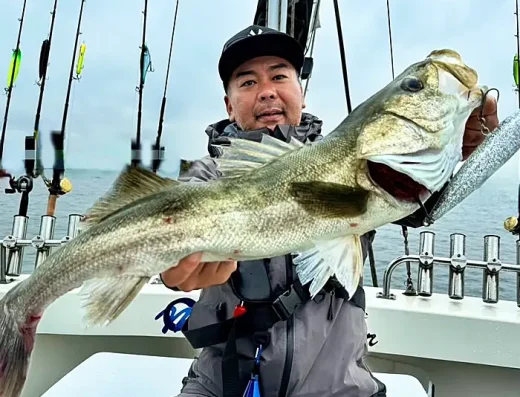
Tokyo Bay is a controlled environment with strong tidal flow moving through a confined space. Fish react immediately to tidal acceleration. Seabass (suzuki) hold on pilings, bridges, and channel edges where flow creates ambush lanes. When tide speeds up, fish dig tight into structure; when tide softens, they rise and feed across the adjacent flats or secondary edges. Guides position the boat up-current and drift baits or lures through the window where fish sit just off the break. Because water clarity changes quickly, presentation depth has to adjust with every drift.
Further inside, flounder and smaller predators work sandy channels and mud-to-sand transitions. These fish feed strongest when tide is pushing bait across the bottom, not when the water stalls. Guides run soft plastics or light jigs along the seams where bottom contour changes by a foot or two—small differences matter here.
Sagami Bay is the opposite. It’s a deep, open-water system that holds yellowtail (hamachi), bonito, tuna, snapper (madai), and seasonal mahi-mahi. Current decides everything. When the Kuroshio Current loops closer to shore, warm water pushes pelagics into reachable range. Yellowtail run mid-column along bait balls; bonito slash high in the water; tuna work under birds and surface life. When the current pulls offshore, the fishery stretches out and becomes a run-and-search program.
The Sagami Bay drop-offs create predictable feeding lanes. Snapper hold along rubble and contour edges, rising during low light and dropping deeper when the sun gets high. Yellowtail respond to current speed: fast push tightens the school and triggers strikes; slow push spreads them out, requiring jigs to search deeper columns. Guides constantly read sonar to track fish movement relative to thermocline height and bait concentration.
Inshore around Enoshima, Hayama, Miura, and Jogashima, rocky bottoms and volcanic ledges form a reliable fishery for rootfish (rockfish), snapper, and tataki jig targets. These areas fish best when swell is low and clarity stable. Strong swell pulls bait off structure and shuts down the bite. Moderate swell pins bait against the rocks and creates ideal strike pockets. Guides drift parallel to the structure, dropping jigs or baits into the lanes where predators sit tight to relief.
Weather matters. Tokyo Bay stays fishable during most wind conditions, making it reliable for shorter trips. Sagami Bay demands timing. Southerly winds push warm water and surface life closer to shore, improving pelagic action. Northerly winds cool and clean the water, which can help snapper but push tuna and bonito farther out.
For anglers booking here, Kanagawa stands out because you can shift between two completely different programs in one day. If offshore current stalls, guides run Tokyo Bay structure. If bay clarity collapses after rain, they run Sagami Bay edges. That adaptability gives Kanagawa a consistent, year-round fishery with a wide range of targets and methods.
Popular Fishing Areas
Tokyo Bay Bridge & Piling Structure
This is classic seabass water. Strong tide forces bait into narrow lanes, and seabass stack behind pilings and bridge supports. When tide accelerates, fish sit tight and hit lures that run just above the bottom. When tide softens, seabass rise and take mid-column baits. Guides drift these areas with precise boat control, adjusting lure depth constantly to stay in the strike zone. Night sessions can be excellent when lights pull bait to the surface.
Tokyo Bay Channel Edges
A reliable zone for seabass, flounder, and small bottom species. The edges fish best during outgoing tide when bait is pulled across the slope. On incoming, fish slide deeper until water stabilizes. Guides run controlled drifts, focusing on depth changes of 1–3 feet where predators sit in the current seam. Clarity changes quickly with rain or wind, so lure profile and presentation speed matter.
Sagami Bay Offshore Drop-Offs
Yellowtail, snapper, bonito, and seasonal tuna work this contour. Current hitting the drop creates vertical lift that gathers bait. Strong current tightens schools and sparks active feeds; weak current forces deeper presentations. Guides vertical-jig or slow-pitch along the drop, adjusting jig weight to match current. Bonito hit high; snapper stay low; yellowtail hover mid-column.
Enoshima Inshore Reef System
A consistent zone for rootfish, snapper, and seasonal pelagics. Rock structure creates predictable eddies where bait settles. Works best when swell is controlled and water clarity stable. Guides drift parallel to the reef lines, dropping baits and jigs into pockets behind the structure.
Jogashima & Miura Peninsula Points
Sharp points and rocky bottoms that hold yellowtail, rootfish, and bonito when current sweeps along the coastline. Surge strength dictates how fish set up. Too much swell pushes them off; moderate swell pins bait and makes feeding windows strong. Guides run tight passes along the contour based on current direction.
Extended Target Zones
Hayama Hard Bottom
A mix of rock and patchy reef that holds snapper and smaller pelagics. Best when current brushes the structure instead of hitting it directly. Guides drop slow-pitch jigs and drift edges where bait sits in soft pressure pockets.
Oppama Channel
Deep channel water with flounder, seabass, and bait concentrations. Outgoing tide pulls food into the slope and concentrates fish. Clear, stable water improves activity. Guides drift slowly to keep lures in the bottom strike zone.
Oiso Coastal Line
Rocky ledges and sand transitions creating predictable lanes for snapper and rootfish. Fishing improves on days with soft swell and clear water. Guides work slow baits or small jigs along the bottom contours.
Shonan Offshore Patches
Small, scattered reefs offshore holding yellowtail and bonito seasonally. Works best when warm water pushes north. Captains use sonar to locate bait piles and run repeated jigging passes across the structure.
Fishing Seasons in Kanagawa
Spring
Seabass activity rises inside the bay as bait increases. Flounder feed along channels and edges. In Sagami Bay, yellowtail and bonito begin showing on contour lines as warm water pushes closer. Snapper rise onto shallower rubble during low-light windows. Stable southerly winds improve offshore clarity and spread bait.
Summer
Prime pelagic season in Sagami Bay. Yellowtail, bonito, mahi, and tuna run offshore under birds and dolphins. Warm water tightens surface activity, and vertical jigging produces well. Inshore rock lines hold snapper and rootfish early and late. Tokyo Bay remains a fallback during rough offshore conditions.
Fall
Cooling water brings snapper onto more predictable feeding lanes in Sagami Bay. Seabass fire again inside Tokyo Bay as bait thickens. Pelagics remain available until temperature drops sharply. Clear days with stable pressure produce long feeding windows both inshore and offshore.
Winter
Cold water pushes seabass tight to Tokyo Bay structure. Bridge pilings, harbor edges, and deep pockets hold fish that feed best during tide acceleration. Snapper in Sagami Bay drop deeper and require slow-pitch jigs. Yellowtail remain active on drop-offs during clear, calm periods but push deeper when northern winds cool surface water. Night fishing inside the bay can be productive when lights concentrate bait.
Top Gamefish in Kanagawa
- Japanese Seabass (Suzuki) - Hold on pilings, bridge supports, and channel edges; feed strongest on tide acceleration; taken on jigs, plugs, and soft baits.
- Yellowtail (Hamachi) - Run mid-column along Sagami Bay drop-offs; hit jigs, live baits; strongest summer–fall.
- Bonito - Work upper water column around bait; taken on metals and fast jigs; peak summer.
- Bluefin/Longfin Tuna - Appear offshore in summer; targeted under birds and dolphins with jigs, poppers, and live bait.
- Snapper (Madai) - Hold on rubble and reef; respond to slow-pitch jigs; strongest in low light.
- Flounder - Sit on sandy transitions; taken on soft plastics and small jigs on tide movement.
- Mahi-Mahi - Hold under debris and weed; strongest late summer; hit trolled or cast baits.
Kanagawa Fishing FAQs
Are Kanagawa fishing charters year-round?
Yes. Tokyo Bay structure fishes all year; Sagami Bay peaks spring–fall.
How far offshore is Sagami Bay?
The drop-offs are close—boats access pelagic water quickly.
Is Tokyo Bay good for beginners?
Yes. Protected water and predictable structure make it reliable.
When is yellowtail best?
Summer–fall when warm water pushes north.
Do charters clean fish?
Most captains provide filleting after the trip.
Can you combine bay and offshore in one day?
Yes, depending on conditions and trip length.
Is live bait used?
Common for yellowtail and some bottom species; lures dominate seabass trips.