
Charter Fishing in South Africa
South Africa offers fishing across offshore bluewater, inshore coastal zones, and freshwater rivers, lakes, and reservoirs.
TrustedFish connects anglers with proven local captains in South Africa —no commissions, no pay-to-play listings, no BS. Every charter on our platform is invite-only, vetted for skill, local knowledge, and reputation. If they’re listed, they’ve earned it.
Top Rated Charters in South Africa
Click to View Destinations
South Africa Fishing Guide
South Africa’s fisheries are defined by its extensive coastlines on both the Atlantic and Indian Oceans, plus large inland freshwater systems. The east coast along KwaZulu-Natal and the Indian Ocean sees warm currents that bring pelagics like tuna, marlin, sailfish, and dorado. The west coast, influenced by the cold Benguela Current, produces yellowtail, snoek, and strong bottom fishing for hake and kob. The southern coast, from the Cape to Port Elizabeth, is a transition zone with diverse species and prime offshore grounds. Inland waters such as the Vaal River, Gariep Dam, and countless farm dams hold yellowfish, carp, bass, and catfish.
Seasonal patterns shift with ocean currents and inland water levels. Summer (November to March) is prime for pelagic gamefish on the east coast, including marlin and tuna, while snoek and yellowtail run strong off the Cape. Fall and winter bring calmer conditions for bottom fishing and strong sardine migrations along KwaZulu-Natal, attracting massive shoals of gamefish. Freshwater fishing is year-round, but bass and yellowfish are most active in spring and summer, while catfish dominate in warmer months.
South Africa has a well-established charter industry. Durban, Richards Bay, Cape Town, and Port Elizabeth are major offshore ports, with trips ranging from half-day inshore outings to full-day and overnight offshore runs. Vessels range from 20–30 ft sportfishers to smaller skiboats commonly launched from beaches. Inland, freshwater guides offer trips targeting bass and yellowfish in rivers and dams, with fly fishing growing steadily in popularity.
Techniques are highly varied. Offshore boats troll lures and rigged baits for marlin, tuna, and dorado, while jigging and live baiting are effective for yellowtail and king mackerel. Bottom fishing with bait is common for kob, geelbek, and reef species. Inshore anglers cast plugs, spoons, and jigs for snoek, garrick, and kingfish. Freshwater anglers use fly fishing, bait, and conventional bass gear depending on species. South Africa’s waters demand adaptability, with fishing changing dramatically between coasts and seasons.
Fishing Seasons in South Africa
Spring
September through November brings improving weather and rising activity offshore. Dorado, tuna, and king mackerel begin appearing on the east coast, while snoek and yellowtail improve along the Cape. Freshwater species like bass and yellowfish become aggressive as waters warm, with fly fishing especially productive.
Summer
December through March is peak big-game season offshore. Blue and black marlin, sailfish, tuna, and dorado are abundant on the east coast. The Cape sees strong runs of snoek and yellowtail. Freshwater action is also excellent, with bass, carp, and catfish highly active. Offshore trolling and inshore spinning dominate techniques.
Fall
April through May continues strong pelagic action offshore but gradually shifts toward bottom species as waters cool. The annual sardine run begins along KwaZulu-Natal, bringing huge numbers of predators—sharks, tuna, and gamefish—close to shore. Inland, bass fishing slows slightly, but catfish remain active in rivers and dams.
Winter
June through August is cooler, with pelagic fishing slowing on the east coast but bottom fishing peaking along the Cape. Snoek, geelbek, and kob dominate catches. The sardine run continues early in the season, producing explosive nearshore fishing. Freshwater anglers target yellowfish and trout, particularly in cooler highland rivers.
Top Fishing Regions
Cape Town & Western Cape
The Cape is famous for yellowfin tuna, yellowtail, and snoek, plus bottom fishing for kob and geelbek. Charters run from Cape Town harbor and nearby ports, with tuna trips offshore and snoek fishing closer in. Winter is prime for snoek, while tuna peaks in summer and fall.
Durban & KwaZulu-Natal
Durban is South Africa’s big game hub, with offshore charters targeting marlin, sailfish, dorado, and tuna in summer. The sardine run in June and July is a highlight, bringing massive predator action nearshore. Inshore trips produce king mackerel, garrick, and snoek.
Richards Bay (North Coast)
Richards Bay offers excellent offshore fishing for marlin, tuna, and dorado, plus inshore fishing for kingfish, garrick, and kob. It is less pressured than Durban but equally productive, with summer offshore runs being the highlight.
Port Elizabeth & Eastern Cape
This region is productive for yellowtail, kob, and bottom species like geelbek. Offshore trips find tuna and dorado in season. The coast is also known for excellent surf and estuary fishing for kob and garrick.
Vaal River & Inland Dams
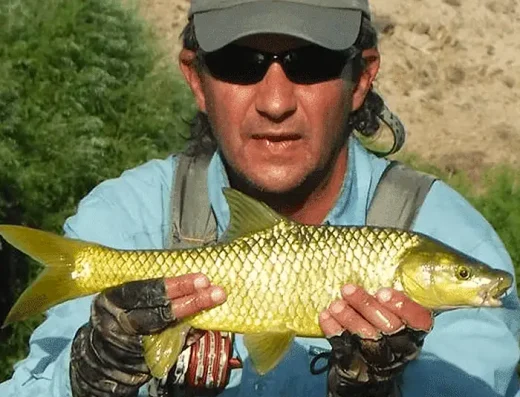
The Vaal River is famous for yellowfish, with fly anglers targeting them during summer runs. Dams like Gariep, Albert Falls, and Inanda produce largemouth bass, catfish, and carp. Inland fishing is strong year-round, with spring and summer most productive.
Top Gamefish in South Africa
- Blue Marlin – 200 to 800 lb. Found offshore KwaZulu-Natal, peak summer months, targeted by trolling lures and rigged baits.
- Yellowfin Tuna – 20 to 200 lb. Offshore south and east coasts, best in summer and fall, caught by trolling, chunking, and live baiting.
- Dorado (Mahi-Mahi) – 10 to 40 lb. Found offshore east coast, peak summer, taken by trolling and casting lures.
- Snoek – 5 to 20 lb. Common off the Cape, best winter and spring, caught trolling spoons or with bait rigs.
- Yellowtail (Cape Yellowtail) – 10 to 40 lb. Offshore reefs and shoals around the Cape, best summer through fall, caught by jigging, trolling, and live bait
- Kob (Dusky Kob) – 5 to 40 lb. Found along southern and western coasts, best in winter, taken with bait fishing near surf and estuaries.
- Largemouth Bass – 2 to 10 lb. Found in reservoirs and farm dams nationwide, best spring and summer, targeted with soft plastics, crankbaits, and jigs.
- Yellowfish – 2 to 12 lb. In rivers like the Vaal, best in spring and summer, targeted with fly fishing and bait rigs.
South Africa Fishing FAQs
Do I need a fishing license in South Africa?
Yes, both saltwater and freshwater fishing require permits, which can be purchased from post offices or online. Charters usually include permits.
What is the best time to fish in South Africa?
Summer (December–March) is prime for offshore marlin, tuna, and dorado, while winter is best for snoek, kob, and bottom fishing. Freshwater species peak in spring and summer.
Where are the most popular fishing spots in South Africa?
Cape Town, Durban, Richards Bay, Port Elizabeth, and the Vaal River are top destinations, each offering different fisheries.
How long are typical fishing trips?
Half-day trips target inshore species like snoek and kob, while full-day trips chase tuna, marlin, or dorado offshore. Freshwater trips vary from half to full day.
What gear should I bring for fishing in South Africa?
Most charters supply heavy trolling and bottom gear. Anglers may bring jigs, lures, and fly gear for yellowfish or trevally. Bass anglers use conventional U.S.-style bass tackle.
Are there regulations on keeping fish in South Africa?
Yes, strict size and bag limits apply, especially for kob, yellowtail, and snoek. Many charters encourage catch-and-release for billfish.
Is South Africa fishing family-friendly?
Yes, inshore and freshwater trips are well suited for beginners, while offshore big game trips are better for experienced anglers.
Can I fish from shore in South Africa?
Yes, shore fishing is very popular, especially for kob, garrick, and snoek along beaches, estuaries, and rocky points.
How much does a fishing charter cost in South Africa?
Inshore half-day trips often cost $150–$300, while full-day offshore charters range $500–$1,200 depending on vessel and target species.