
Arkansas Fishing Charters
Arkansas fishing charters cover everything from backwoods river runs for smallmouth to slab crappie hauls on big southern reservoirs.
TrustedFish connects anglers with proven local captains in Arkansas —no commissions, no pay-to-play listings, no BS. Every charter on our platform is invite-only, vetted for skill, local knowledge, and reputation. If they’re listed, they’ve earned it.
Top Rated Charters in Arkansas
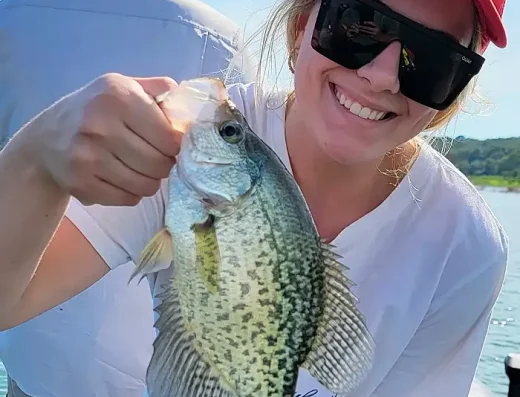
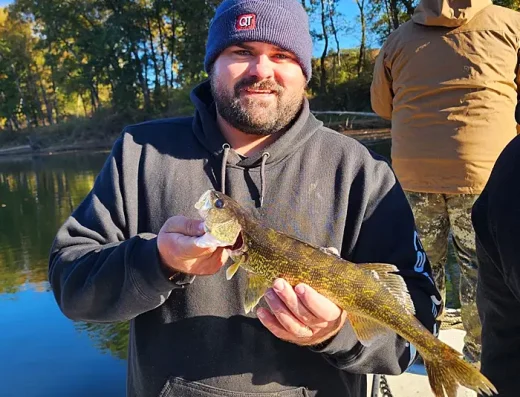
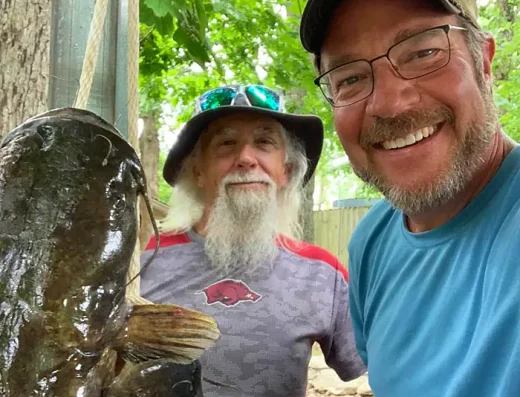
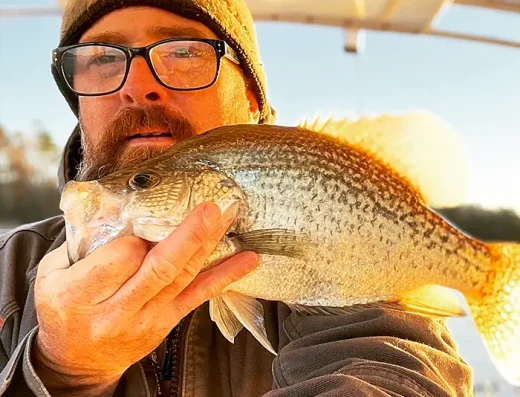

Click to View Destinations
Arkansas Fishing Guide
Arkansas fishing is split between clear mountain streams up north, big reservoirs across the center, and swampy oxbows and bayous down south. You’ve got trout in the White and Little Red Rivers, bass in every lake that holds water, and catfish just about everywhere else. This is a boat-and-bank kind of state—some folks fish from kayaks, jon boats, or even aluminum rigs with 25hp motors and a cooler seat up front. Others book a guide and head out on big lakes like Ouachita or Greers Ferry for stripers or largemouth.
Trout fishing is one of Arkansas’ biggest draws. The White River below Bull Shoals Dam is stacked with browns and rainbows, and the Little Red holds the former world record brown. Drift trips are common here, with guides rowing jon boats and pulling soft plastics, jerkbaits, or nymph rigs along deep seams and shoals. In lakes like DeGray and Norfork, full-day trips might run sonar for suspended hybrids or hit brush piles for crappie using minnows and jigs.
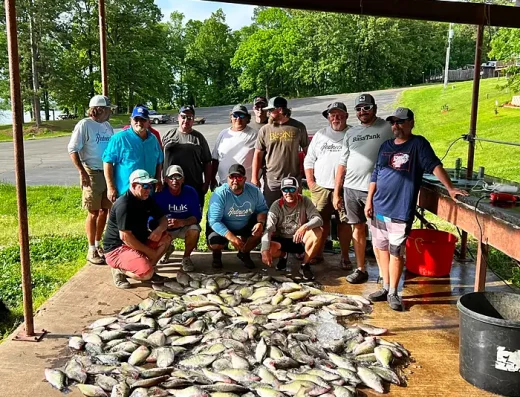
Stripers and hybrids run hard in spring and fall, with trolling or live shad rigs pulling double hookups. Crappie go deep in summer, tight to structure. In the Delta region, old oxbows off the Mississippi stay warm and muddy, ideal for catfish, gar, and panfish. Arkansas doesn’t get fancy—most charters are about results. Show up early, bring sunscreen, expect a thermos of coffee and a cooler full of fish by noon.
Regional Fishing Highlights
Ozark Mountain Rivers
The White, Norfork, and Little Red Rivers are Arkansas’ top trout fisheries. Cold water flows from bottom-release dams keep things ideal for rainbows, browns, and cutthroat. Guides run flat-bottom boats and drift or anchor depending on flows. Fly fishing is solid year-round, but bait (PowerBait, worms) and jigs work great for numbers. Spring hatches bring fly anglers out, while fall is prime for trophy browns. Access is easy, and guides fish the current every day—rain or shine.
Central Arkansas Lakes
Greers Ferry, Lake Ouachita, and Lake Conway all hold serious bass. Greers Ferry also offers big hybrids and occasional walleyes. Most trips target submerged timber, drop-offs, and brush piles. Fall means jerkbaits and crankbaits, while summer goes deeper with jigs and Carolina rigs. Striper and hybrid guides run shad on downlines in deeper water, especially early morning. Crappie trips are common too—expect spider rigs or live minnows over piles.
Delta Oxbows & Bayous
Southeast Arkansas has slow-moving backwaters full of flatheads, blues, and channel cats. The old oxbows off the Mississippi—like Lake Chicot—produce big catfish and slab crappie. Jug lines, cut bait, and limb lines are common here. No-frills fishing, usually in jon boats or from bank setups. Water stays warm and muddy, so fish aren’t line-shy. Locals know the bends and logs where fish stack up, and many guides here grew up fishing these same spots.
Ouachita Mountains
Lake Ouachita and its highland lakes have deep, clear water. Stripers, spotted bass, and big bream are targets. Fishing here is more finesse—drop shots, live shad, even trolling umbrella rigs. Big stripers chase bait in open water early morning, then go deep. Kayak fishing’s grown popular here too, especially near the islands and coves. It’s scenic but can be tough—you’ll want electronics and a solid guide if you’re not local.
Fishing Seasons in Arkansas
Spring
Trout stay active early and late. Midday gets slow without cloud cover. Bass go deep—jigs, drop shots, and Texas rigs off structure. Stripers hold deep and need electronics to locate. Crappie pile up on brush at 15–25 feet. Down in the Delta, catfish action stays strong at night and early morning, with folks running jugs and tight lines. Expect hot days, bugs, and heavy humidity—bring hydration and sun gear.
Summer
Trout stay active early and late. Midday gets slow without cloud cover. Bass go deep—jigs, drop shots, and Texas rigs off structure. Stripers hold deep and need electronics to locate. Crappie pile up on brush at 15–25 feet. Down in the Delta, catfish action stays strong at night and early morning, with folks running jugs and tight lines. Expect hot days, bugs, and heavy humidity—bring hydration and sun gear.
Fall
Best all-around season. Trout fire back up, especially browns prepping to spawn. Stripers and hybrids chase bait back to shallow points. Largemouth chase moving baits—chatterbaits, squarebills, topwater. Crappie suspend off deeper brush but bite well. Cool mornings and active fish make it ideal. Duck season overlaps late fall in some areas, so be aware on shared waters.
Winter
Trout dominate. Low, clear flows and cold temps bring out serious fly anglers. Midge hatches and egg patterns rule. On lakes, crappie stack tight to brush and bite slow. Stripers still roam, but you’ll work harder to find them. Catfishing slows but doesn’t stop. Fewer boats on the water, quieter ramps. Bundle up—it can get icy fast.
Most Popular Gamefish in Arkansas
- Rainbow Trout – 12–18" average. Drift-fished on the White and Little Red with PowerBait, worms, or nymphs.
- Brown Trout – 18–28" common. Targeted below dams with streamers, jigs, or eggs near shoals.
- Largemouth Bass – 1–5 lbs typical. Hit structure in lakes like Greers Ferry and Ouachita on jigs, soft plastics.
- Striped Bass – 10–30+ lbs. Trolled or live-baited on Ouachita, Greers Ferry in deeper water.
- Crappie – 10–14". Found near brush piles, hit minnows and jigs. Prime in spring and fall.
- Channel Catfish – 2–10 lbs. Caught statewide on cut bait, stink bait, or worms.
- Blue Catfish – 10–50 lbs+. Jug lines and deep water rigs in oxbows and rivers.
- Hybrid Bass – 3–10 lbs. Suspended fish hit live shad, umbrella rigs.
- Smallmouth Bass – 1–4 lbs. Fished in northern rivers and rocky lake arms using tubes and jerkbaits.
Arkansas Fishing FAQs
What fishing license do I need in Arkansas?
You’ll need an Arkansas fishing license, and if you’re fishing for trout in designated waters, a trout permit too. Both are available online or at local bait shops.
Where’s the best place to fish for trout in Arkansas?
The White River below Bull Shoals Dam is the top spot, followed by the Little Red. Both have trophy browns and plenty of rainbows.
Can I book a fishing charter on Arkansas lakes?
Yes, especially on Greers Ferry, Ouachita, and Norfork. Most lake guides target bass, stripers, hybrids, or crappie depending on season.
Is fly fishing popular in Arkansas?
It is in the trout rivers—White, Norfork, and Little Red. Fall and winter bring ideal flows and fewer crowds for serious fly anglers.
When’s the best time to catch stripers?
Spring and fall are prime when they chase bait to shallower water. Summer they go deep and require sonar.
Are there guided fishing trips for catfish?
Yes, especially in the Delta region. Many guides run jug lines or anchor on bends in the river. You’ll mostly fish cut bait or live sunfish.
What gear should I bring on a guided trip?
Most guides provide rods, reels, and bait. You’ll want Yes, especially in the Delta region. Many guides run jug lines or anchor on bends in the river. You’ll mostly fish cut bait or live sunfish., hat, sunglasses, snacks, and a cooler for your catch.
Do kids do well on Arkansas fishing charters?
They do, especially on crappie or catfish trips where action is steady. Trout trips work too if the weather’s mild and water’s not running too high.
Is bank fishing any good in Arkansas?
In many places, yes. You’ll find solid access at state parks, below dams, and along rivers and oxbows. Just watch flows and respect private land.