
Key Largo Fishing Charters
Key Largo fishing charters work the reefs, wrecks, flats, and backcountry waters for mahi-mahi, sailfish, tarpon, snapper, grouper, and bonefish.
Top Rated Charters in Key Largo
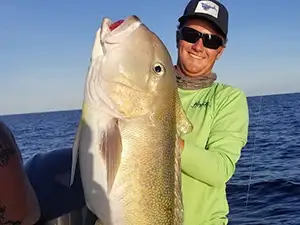

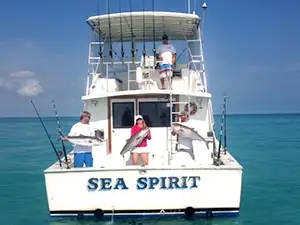
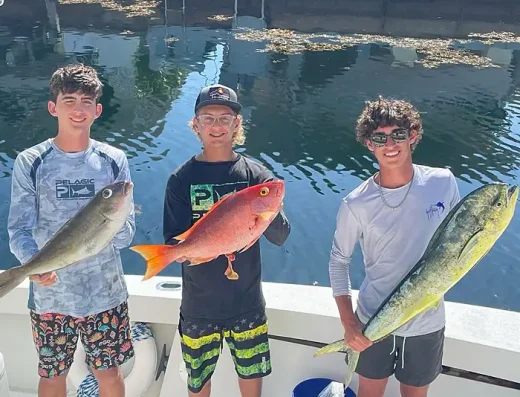
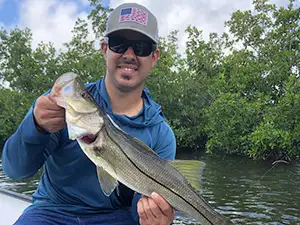
TrustedFish connects anglers with proven local captains in Key Largo, Florida —no commissions, no pay-to-play listings, no BS. Every charter on our platform is invite-only, vetted for skill, local knowledge, and reputation. If they’re listed, they’ve earned it.
Key Largo, FL Fishing Guide
Key Largo sits at the northern end of the Florida Keys, giving anglers quick access to the Atlantic Ocean and Florida Bay. This location allows for an impressive range of trips—offshore runs for pelagics, reef and wreck fishing for bottom species, and inshore or backcountry adventures in the protected waters of Everglades National Park. Offshore boats typically run from marinas like Key Largo Harbor, Port Largo Canal, and John Pennekamp State Park, heading five to twenty miles for mahi-mahi, wahoo, sailfish, and tuna when conditions line up. Reef and wreck trips may set up on patch reefs just a few miles out or head to deeper structures for mutton snapper, grouper, and amberjack.
Inside waters open up another fishery altogether. Florida Bay and the backcountry hold flats, channels, and mangrove shorelines that produce tarpon, bonefish, and permit on light tackle or fly. The flats between Key Largo and Tavernier are known for sight fishing in clear shallows, while channels and edges often hold snook, redfish, and sharks. Half-day trips usually target either the reefs or backcountry, while full-day charters may combine multiple techniques—starting with reef fishing before heading offshore or poling the flats.
Seasons shape the bite. Winter focuses on sailfish along the reef edge, spring brings migrating tarpon and early mahi-mahi, summer delivers peak dolphin action offshore and hot tarpon fishing inshore, while fall offers a mix of reef and offshore options with lighter boat traffic. Techniques range from kite fishing with live bait for sailfish, trolling ballyhoo spreads for mahi-mahi, vertical jigging over wrecks for amberjack, chumming yellowtail snapper into the slick, to poling the flats for tailing bonefish.
Nearby options include deeper Gulf wrecks for cobia and mackerel, the Islamorada hump for tuna, or the remote Flamingo area for redfish and snook. With the unique advantage of quick access to both ocean and bay, Key Largo gives captains the flexibility to shift plans mid-trip based on wind, tide, and the latest bite reports.
Fishing Seasons in Key Largo
Spring (March–May)
Spring offers a mix of offshore and inshore opportunity. Mahi-mahi begin showing up offshore, often alongside blackfin tuna around weed lines and debris. Sailfish remain possible early in the season along the reef. Tarpon migration kicks in, with large fish in the channels and bridges, while bonefish become more active on the flats. Snook and redfish are steady in the backcountry. Calm conditions allow longer offshore runs, and bait is more plentiful, making live-bait presentations and kite rigs effective.
Summer (June–August)
Summer marks the height of mahi-mahi season, with larger fish farther out and school-size fish closer in. Blackfin tuna remain steady around the humps, wahoo show during moon phases, and reef action for yellowtail snapper and mutton snapper stays strong. Tarpon hold in deeper channels and bridge areas, while bonefish and permit feed heavily on the flats. Warm water may push some fish deeper, so reef and wreck fishing in cooler depths can be productive. Early starts beat the heat and catch the best bite before winds rise.
Fall (September–November)
Fall is a less crowded but productive season. Reef fishing picks up for mutton snapper, yellowtail snapper, and grouper as waters cool. Offshore trips can still find mahi-mahi, tuna, and the occasional sailfish. Bonefish and permit are active on the flats, with tarpon still around in the early part of the season. Backcountry trips produce redfish, snook, and trout, with sharks mixed in. Lighter winds make for smooth offshore runs, and mixed-bag trips are common.
Winter (December–February)
Winter is prime for sailfish, with cold fronts pushing fish down the reef line. Kite fishing with live baits like goggle-eyes or pilchards is the go-to. King mackerel and amberjack are common on wrecks, and reef fishing produces yellowtail snapper and black grouper. Bonefish move to deeper edges, while snook and redfish in the backcountry remain an option on warm spells. Tarpon are less consistent but can be caught in select deep channels. Many trips stay closer to shore, focusing on reefs and wrecks when offshore weather is rough.
Gamefish in Key Largo
- Mahi-Mahi – 10–40 lbs. Found offshore around weed lines and debris, best in summer on trolled baits.
- Sailfish – 40–80 lbs. Peaks in winter along the reef edge using kite rigs and live bait.
- Tarpon – 50–150 lbs. Spring and summer in channels, bridges, and backcountry on live mullet or crabs.
- Bonefish – 3–8 lbs. Flats fishing year-round, best on warm tides with shrimp or flies.
- Yellowtail Snapper – 1–4 lbs. Reef edges and chum lines year-round, especially summer mornings.
- Mutton Snapper – 5–20 lbs. Deep reefs and wrecks, peaks late spring and fall on live or cut bait.
- Blackfin Tuna – 5–25 lbs. Offshore humps year-round, strongest in spring and summer.
- Grouper – 10–40 lbs. Deep reefs and wrecks, best in cooler months on live bait.
Key Largo Fishing FAQs
Where do most Key Largo fishing charters depart from?
Most trips leave from marinas like Key Largo Harbor, Port Largo, and John Pennekamp State Park, offering direct access to both ocean and bay waters.
What types of fishing trips are available in Key Largo?
Options include half-day reef or backcountry charters, full-day offshore runs, and specialty trips for sailfish, tarpon, or bonefish.
Do I need a fishing license when booking a Key Largo charter?
No, fishing licenses are covered under the boat’s charter license, so guests don’t need to purchase one.
What is the best time to fish Key Largo?
Sailfish are best in winter, mahi-mahi in summer, and tarpon peak in spring and summer, though fishing is productive year-round.
What techniques do captains use in Key Largo?
Offshore captains often troll or run kite baits, reef trips rely on chumming and bottom fishing, and flats anglers sight-cast with spinning or fly tackle.
Can families or beginners fish in Key Largo?
Yes, many captains offer family-friendly half-day trips targeting species like snapper for steady action.
Are night fishing trips offered in Key Largo?
Some captains provide night trips for snapper, tarpon, or swordfish depending on season and conditions.
How far do charters run offshore from Key Largo?
Reef trips usually stay within five miles, while offshore runs for mahi-mahi or tuna may go out ten to twenty-five miles.
Can I keep my catch from a Key Largo charter?
Yes, as long as it meets state size and bag limits; local restaurants will often cook your catch for you.