
Indian Rocks Beach Fishing Charters
Indian Rocks Beach fishing charters work the nearshore reefs, inshore grass flats, and back-bay channels for snook, redfish, trout, mackerel, and seasonal grouper runs.
Top Rated Charters in Indian Rocks Beach
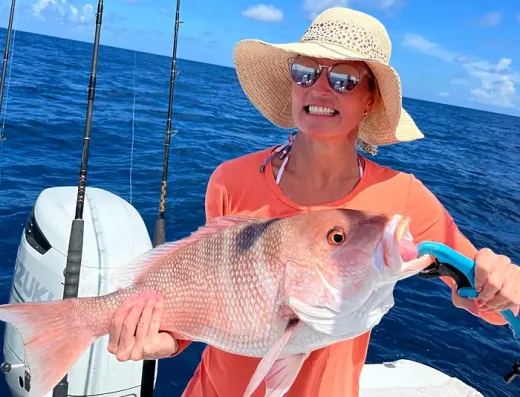
TrustedFish connects anglers with proven local captains in Indian Rocks Beach, Florida —no commissions, no pay-to-play listings, no BS. Every charter on our platform is invite-only, vetted for skill, local knowledge, and reputation. If they’re listed, they’ve earned it.
Indian Rocks Beach, FL Fishing Guide
Indian Rocks Beach sits along Florida’s central Gulf Coast, giving anglers quick access to both the calm backwaters of the Intracoastal Waterway and the open Gulf of Mexico. Most charters here run out of the ramps and docks near the Indian Rocks Causeway, offering short runs to prime fishing grounds. Inshore trips target grass flats, mangrove edges, and oyster bars where snook, redfish, and speckled trout feed. Light tackle and live bait rigs are the go-to, with shrimp, pinfish, or scaled sardines being reliable producers. Half-day trips often stick to these protected areas, which fish well year-round and stay relatively calm even when the Gulf is choppy.
For those looking offshore, nearshore reefs and wrecks just a few miles out hold Spanish mackerel, kingfish, and gag grouper, especially in cooler months. Full-day trips can push farther to deeper reefs for red grouper, amberjack, and seasonal pelagics. Trolling spoons, slow-pitch jigging, and bottom fishing with cut bait are all common approaches. The run to the first set of productive reefs can be as short as 20–30 minutes depending on the weather.
Seasonal changes shape the bite. Spring brings mackerel and kingfish migrations along the beaches, while summer mornings are best for snook in the passes and trout on the flats before midday heat pushes fish deeper. Fall sees another pelagic run, plus solid inshore action. Winter cools the water, concentrating redfish and sheepshead around docks, bridges, and rock piles.
Indian Rocks Beach offers a versatile fishery—calm backwaters for family-friendly trips, quick nearshore runs for mixed-bag action, and seasonal offshore opportunities without long travel times. Neighboring waters like Clearwater Pass and Boca Ciega Bay expand the range, giving captains flexibility to find the bite. Whether it’s casting live baits into a mangrove pocket or dropping a grouper rig over a limestone ledge, this stretch of the Gulf keeps rods bent in every season.
Fishing Seasons in Indian Rocks Beach
Spring (March–May)
Spring kicks off the mackerel and kingfish run along the beaches. Water temperatures climb, bait schools show up, and fish push in close to shore. Inshore, snook move toward passes and cuts, making them more accessible. Trout feed actively on grass flats during early mornings, and redfish school up around oyster bars and mangrove points. Most charters split time between trolling for mackerel near the beaches and drifting flats with live bait or popping corks. Moderate winds are common, so captains often plan morning runs offshore and finish inside the bays.
Summer (June–August)
Summer heat pushes many fish to feed early and late in the day. Snook stack up in passes like Clearwater Pass at first light, then slide into deeper channels by midday. Speckled trout stay on the grass flats, but early-morning topwater plugs and live sardines are the ticket before the sun gets high. Tarpon season peaks in June and July, with migratory fish cruising the beaches within casting range. Nearshore reefs hold mangrove snapper and the occasional cobia, and early-morning trips help avoid storms and afternoon chop.
Fall (September–November)
Fall offers a mix of inshore and nearshore action. Cooling water draws kingfish and Spanish mackerel back toward the beaches, often feeding heavily before winter. Redfish bite well around oyster bars and grass edges, with schools feeding aggressively in the cooler mornings. Nearshore reefs see steady snapper action, and gag grouper move closer in. Many captains troll spoons for mackerel on the way out, then bottom fish for grouper and snapper before returning inshore to finish with trout or redfish.
Winter (December–February)
Winter fishing centers on structure. Redfish hold around docks, bridge pilings, and back-bay seawalls. Sheepshead bite is at its peak, especially near rock piles and pilings, with live fiddler crabs or shrimp being the top baits. Trout shift into deeper holes in the bays, making slow presentations with soft plastics or live bait effective. On calmer days, nearshore trips can still find gag grouper and hogfish on reefs. Cold fronts can limit offshore runs, but the sheltered Intracoastal waters keep fishing consistent all season.
Gamefish in Indian Rocks Beach
- Snook – 20–40 inches. Caught along mangrove edges, passes, and bridges, especially in summer on live sardines or pinfish.
- Redfish – 18–30 inches. Found year-round around oyster bars, grass flats, and docks, with cut bait or shrimp.
- Speckled Trout – 14–25 inches. Targeted on grass flats in cooler months with soft plastics or live shrimp.
- Spanish Mackerel – 1–5 pounds. Seasonal runs near the beaches in spring and fall, trolling spoons or casting jigs.
- King Mackerel – 10–40 pounds. Spring and fall migrations along the beaches, often taken trolling live baits or spoons
- Gag Grouper – 10–30 pounds. Found on nearshore reefs in cooler months, caught bottom fishing with cut bait
- Tarpon – 60–150 pounds. Peak summer beach migration, sight-fished with live crabs or threadfin herring.
Indian Rocks Beach Fishing FAQs
Where do most charters in Indian Rocks Beach depart from?
Most charters launch near the Indian Rocks Causeway and surrounding docks, with quick access to both the Gulf and the Intracoastal Waterway.
How long are typical fishing trips here?
Half-day trips are popular for inshore and nearshore fishing, while full-day trips allow time to reach deeper reefs or combine multiple fishing styles.
Is all gear provided on charters?
Yes, most captains provide rods, reels, bait, tackle, and fishing licenses, so you just need to bring food, drinks, and sun protection.
Do I need a fishing license?
When fishing with a licensed charter captain in Florida, your fishing license is covered by the boat’s permit.
What’s the best time of year to fish in Indian Rocks Beach?
Spring and fall are prime for pelagics like mackerel and kingfish, while summer is best for snook and tarpon, and winter shines for redfish and sheepshead.
What fishing techniques are most common?
Inshore trips often use live bait drifting or sight casting, while nearshore runs use trolling, jigging, and bottom fishing.
Can families with kids enjoy these trips?
Yes, inshore waters are calm and family-friendly, and captains can tailor trips for younger anglers.
What species can I expect to catch nearshore?
Spanish mackerel, kingfish, grouper, mangrove snapper, and cobia are common depending on the season.
Are there night fishing trips available?
Some captains offer night trips for snook and tarpon, focusing on dock lights and bridge shadow lines in the Intracoastal.