
Miami Beach Fishing Charters
Miami Beach fishing charters run direct access to inlets, reef edges, offshore Gulf Stream lanes, and shallow bay structure that hold fish year-round.
TrustedFish connects anglers with proven local captains in Miami Beach—no commissions, no pay-to-play listings, no BS. Every charter on our platform is invite-only, vetted for skill, local knowledge, and reputation. If they’re listed, they’ve earned it.
Top Rated Charters in Miami Beach
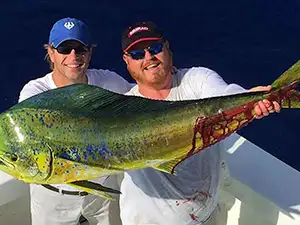
Miami Beach Fishing Guide
Miami Beach sits on one of the tightest “everything-in-range” fisheries on the East Coast. The Gulf Stream runs close, inlets flush steady bait through depth transitions, and Biscayne Bay provides sheltered water when offshore wind shuts the door. Guides here don’t run far; they read tide, wind, and current, then commit to whichever zone offers the cleanest water and the most organized bait.
Offshore structure starts almost immediately outside the 3-mile line. Color changes, weedlines, and rips form where the Gulf Stream brushes shallow water. Sailfish, mahi, blackfin tuna, and kingfish travel these lanes. On strong north current, sailfish push shallow along the reef edge. Charters run kites with live baits to keep presentations visible above swell and current. On softer or southbound current, sailfish drop deeper and spreads tighten to get baits closer to the strike zone. Mahi work debris lines and weed edges; tuna sit under bird life and deeper marks on the sounder. Kingfish stack on hard edges and respond to live baits slow-trolled just above relief.
Inshore reefs and wrecks form the second tier of the fishery. These structures hold snapper, grouper, amberjack, mackerel, and permit. Guides anchor or hover over the up-current face, dropping baits or vertical jigs into the pressure zone where fish sit just above structure. When current is moderate, fish feed high; when current is heavy, they pin low and require heavier weights or jigs. Early light is the most consistent window for permit and mackerel.
Biscayne Bay offers the opposite environment: shallow, clear, and calm. Bonefish, permit, tarpon, and juvenile snook follow tide height and light angle. Bonefish move across flats on incoming water; permit track edges and potholes where crabs drift; tarpon roll along deeper channels and bridges. Guides pole or drift quietly because fish here are pressure-sensitive. Soft wind and stable clarity extend sight-casting windows; wind shifts or boat traffic shut it down quickly.
The inlets—Government Cut and Haulover—act as transportation corridors for bait and predators. On outgoing tide, pilchards, herring, and threadfins spill into structure lines where tarpon, snook, jack crevalle, and mackerel wait. Tarpon favor early morning before traffic wakes the surface. Snook take the shadow pockets along the jetty and seawall. On incoming tide, clean water pushes in, improving clarity and pulling fish closer to the jetty.
Wind and current alignment control the offshore day. If the Gulf Stream is tight and the wind runs with it, sailfish push shallow and the bite turns reliable. If wind opposes current, chop increases and pelagics spread wider. When offshore becomes unfishable, the reef line and bay flats offer stable backup plans.
Miami Beach fishing charters are commercial for one reason: everything is close. Offshore pelagics, bottom structure, inlet predators, and flats species sit inside a tight radius, allowing guides to pivot fast and maintain action even on tough weather days. Anglers get options, not guesswork.
Popular Fishing Areas
Government Cut
Government Cut is Miami Beach’s most consistent tarpon lane because the outgoing tide compresses bait into hard edges that fish can predictably ambush. When tide accelerates, pilchards and herring get swept tight to the bottom half of the column along the north jetty. Tarpon stage just outside the heaviest flow and feed by rising vertically through the bait stream. On slower tides, fish slide higher and respond better to free lines placed naturally in the seam. Clarity depends on wind direction; east or southeast wind pushes clean water in, extending the bite into incoming tide. Early morning and late evening give the longest windows before boat traffic disrupts surface activity. Guides drift live crabs or threadfins and make micro-adjustments in weight to keep baits suspended where rolling fish travel.
Haulover Inlet
Haulover fishes differently than Government Cut because the jetties and bridge structure create multiple stacked seams. Snook and tarpon sit on shadow pockets where bait dips into deeper water. Jacks and mackerel patrol the faster outside seam. On strong outgoing tide, bait flushes in concentrated bursts, and fish feed aggressively in the first third of the drop. Incoming tide improves clarity and sets up a secondary window where predators push toward the jetty corners. Guides run precise boat positioning—bow into the tide for controlled drifts, or angled passes to hit specific seams—and adjust depth constantly to track fish holding at mid-column or bottom depending on tide speed. This inlet delivers consistent action because bait is forced through it daily, regardless of offshore conditions.
Reef Line
The Miami Reef Line is the core commercial zone for kingfish, blackfin tuna, snapper, grouper, and sailfish. Structure, depth transition, and Gulf Stream interaction create predictable feeding lanes. When north current runs tight, pelagics push onto the shallower edge and rise in the column, ideal for live-bait slow-trolling or kite spreads. Weak current pushes fish deeper, shifting the program toward deeper-set live baits or jigs. Snapper and grouper hold on the relief itself, feeding strongest when current hits the up-current face at moderate speed. Guides anchor or hover to drop baits precisely into the pressure pocket. Kings and tuna run the boundary between blue and green water; captains follow the edge, watching bird life and current speed to time passes.
Offshore Gulf Stream Edge
Just a short run outside the reef, the Gulf Stream edge forms Miami’s main pelagic corridor. Clean blue water meets green shelf water, creating a sharp color break where sailfish, mahi, tuna, and wahoo travel. On strong north current, bait stacks along the edge and sailfish push shallow enough for kites. On lighter current or southbound sets, fish drop deeper and spreads tighten. Weedlines indicate where mahi will hold; scattered, broken lines require covering more ground. Tuna stay under birds or sonar marks, often 40–120 feet down depending on temperature and pressure changes. Guides monitor current speed constantly, adjusting lure placement, kite height, and live-bait spacing to match water movement. This is Miami’s highest-value big-water zone due to its reliability and proximity.
Biscayne Bay Flats
The flats east of Miami Beach are clear, shallow, and pressure-sensitive. Bonefish push onto sand and grass transitions on incoming tide, using soft current to track shrimp and crab movement. Permit hold deeper early, then elevate as water rises, feeding in potholes and channel edges. Juvenile tarpon roll in slightly deeper basins and move toward bridges and channel mouths when bait concentrations increase. Wind dictates visibility: light southeast breeze gives the best light angles; strong winds shut sight-casting down. Guides pole or drift quietly, keeping casts long and controlled to avoid pushing fish off the flat. This zone is a productive fallback when offshore wind builds, offering steady shallow-water action for anglers targeting technical species.
Extended Target Zones
Fowey Light Reef
Fowey Light sits on a productive reef system that holds snapper, grouper, amberjack, and seasonal pelagics. Current pushes bait onto the up-current face, and predators stack just above structure waiting for the push. Light chop improves feeding by diffusing light and giving baits more natural movement. Too much swell forces fish tight to bottom, requiring heavier rigs. Guides anchor precisely or use spot-lock controls to keep baits in the pressure zone, adjusting leader length and weight as current strength shifts. This area produces consistently when visibility holds and current maintains direction.
Featherbeds (South Bay)
The Featherbeds are soft-bottom flats where bonefish and permit feed on crabs and shrimp during rising tide. Clarity varies with wind direction, and calm south or east wind provides the optimal sight-fishing conditions. Fish move in with the tide and spread across the flat’s subtle contour changes, holding in depressions and potholes as they feed. Guides pole long approaches because fish here respond quickly to pressure. Once water reaches full height, bonefish and permit slide deeper, and the bite slows. Ideal as a midday or afternoon program when light is high.
Haulover Artificial Reefs
These reefs hold a mix of mutton snapper, yellowtail, grouper, jacks, and seasonal mackerel. Current direction decides everything. When current runs north, fish rise and feed aggressively on the up-current edge; when it weakens, they drop deep and hold tight. Guides anchor or hover and drop baits directly into the strike zone, adjusting weight to keep lines vertical. Early morning is strongest for mackerel and topwater-responsive jacks. The reef also serves as a backup when offshore wind drives boats inside.
The Ledges (North Biscayne)
A structured drop with consistent trout, jacks, and seasonal tarpon. Outgoing tide pulls bait across the top edge and into the trough, where predators wait. Early light extends feeding activity before boat traffic builds. Incoming tide works when clarity improves, pulling fish closer to the transition line. Guides drift or slow-troll live baits along the contour, keeping presentations just above the break. During warm months, tarpon roll deeper in the channel pockets and take live mullet or crabs fished naturally with the tide.
Fishing Seasons in Miami Beach
Spring
Balanced offshore and inshore action. Sailfish remain steady early; mahi and blackfin tuna increase as temps rise. Tarpon peak at inlets and bridges. Bonefish and permit move wider on flats as clarity stabilizes.
Summer
Mahi run offshore along weedlines; blackfin tuna remain strong; wahoo appear on deeper edges. Night tarpon fishing improves inside the inlets. Flats fish early before heat and storms reduce visibility.
Fall
Transition season with strong mixed action. Mahi remain until first cool push; blackfin tuna and kingfish increase; sailfish return late. Snook and tarpon feed heavily around inlets before winter shifts. Flats stabilize under lower sunlight angles.
Winter
Peak sailfish season. Strong north current brings fish tight to the reef, ideal for kite-fishing. Kings and blackfin tuna stay active. Inlets hold tarpon during warm spells. Bay flats offer bonefish on calmer days.
Top Gamefish in Miami Beach
- Sailfish – 30–70 lbs Hold along reef edges and current lines; strongest winter–spring; taken on kites with live baits or trolled spreads.
- Mahi-Mahi – 5–30 lbs Track weedlines and debris offshore; peak summer–fall; hit trolled ballyhoo and pitch baits.
- Blackfin Tuna – 10–25 lbs Hold on deeper reef edges and under birds; strongest spring–fall; taken on vertical jigs and feathers.
- Kingfish – 5–30 lbs Run the mid-depth reef line; active year-round; hit slow-trolled live baits and spoons.
- Tarpon – 40–150+ lbs Stage in inlets and bridges; strongest spring–summer; feed on crabs, mullet, and threadfins.
- Bonefish – 2–8 lbs Push across clear flats on incoming tide; strongest under calm light; taken on shrimp and small jigs or flies.
- Permit – 10–30 lbs Track flats, edges, and shallow wrecks; strongest spring–summer; hit live crabs and precise artificials.
- Snapper (Yellowtail/Mutton) – 1–15 lbs Feed on reefs and wrecks; strongest summer nights; taken on cut bait and pilchards.
- Grouper (Black/Red/Gag) – 5–30+ lbs Hold tight to structure; strongest spring–fall; taken on live baits and heavy jigs.
Miami Beach Fishing FAQs
When is the best time for Miami Beach fishing charters?
Winter for sailfish; spring–summer for tuna, tarpon, and flats fishing; summer–fall for mahi.
How far is the run offshore?
Short. The reef line and Gulf Stream edges are minutes from the inlet.
Do charters mix offshore and inshore?
Yes. Conditions often allow both in one trip.
Is kite fishing required?
For peak sailfish season, yes—kite spreads are standard.
Do guides provide all tackle?
Yes. Live bait, kites, trolling gear, and flats setups are included.
Are fish cleaned?
Yes. Snapper, grouper, mahi, and tuna are filleted dockside.
Is the bay good when offshore is rough?
Yes. Biscayne Bay flats and bridge structure fish well under wind.