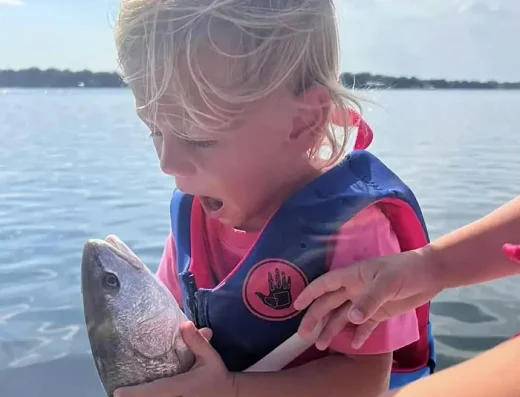
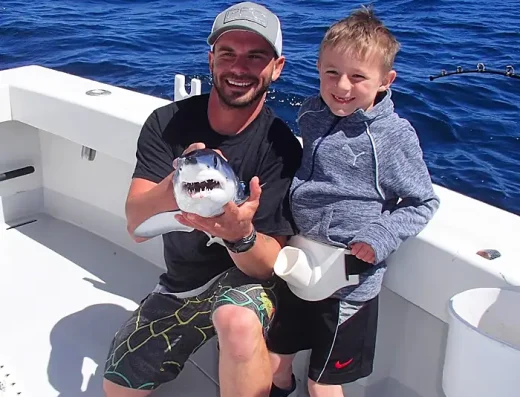
Niceville fishing charters work the protected waters of Choctawhatchee Bay, nearby inshore flats, and nearshore Gulf for redfish, speckled trout, sheepshead, and seasonal cobia
TrustedFish connects anglers with proven local captains in Niceville, Florida —no commissions, no pay-to-play listings, no BS. Every charter on our platform is invite-only, vetted for skill, local knowledge, and reputation. If they’re listed, they’ve earned it.
Niceville, FL Fishing Guide
Niceville sits on the north shore of Choctawhatchee Bay, giving anglers quick access to a mix of brackish bay waters, tidal creeks, and nearshore Gulf runs through East Pass in Destin. Most charters here run half-day and full-day trips, with some captains offering specialty sight-fishing or live bait trips targeting trophy redfish. The fishery is a blend of shallow flats, oyster bars, and deeper channels where bait collects. Launch points are usually from local ramps like Lions Park, Rocky Bayou State Park, or marina facilities around Boggy Bayou, with short runs of 5–20 minutes to productive spots inside the bay, and about 30–40 minutes to reach Gulf waters.
Seasonally, winter and early spring see sheepshead, black drum, and slot reds holding tight to structure. As water warms, speckled trout and flounder spread across the grass flats, while Spanish mackerel and bluefish push into the bay chasing glass minnows. Late spring into summer is prime for sight-casting cobia along the beaches and nearshore reefs, often reached on calm Gulf days. Fall brings a strong bull redfish bite in the bay and passes, along with migrating Spanish and king mackerel along the nearshore stretches.
Light tackle spinning gear is the standard, with live shrimp, pinfish, and mullet accounting for much of the action, though artificial plugs and soft plastics work well for active feeders. Fly anglers can target tailing reds in shallow water when wind and tides line up. Jigging and free-lining baits around bridges and pilings is a go-to for sheepshead and drum. If the weather allows, trolling for kings or jigging over nearshore wrecks offers a change of pace from inshore work.
The surrounding waters are protected enough to fish in most wind conditions, but a short run through East Pass opens up nearshore Gulf opportunities when seas are calm. For a change of scenery, nearby waters like Turkey Creek or the upper bay’s backwaters can offer quieter fishing and less boat traffic.
Fishing Seasons in Niceville
Spring (March–May)
Spring in Niceville starts with a mix of inshore and nearshore options. Sheepshead bite heavily around bridge pilings and docks until they finish spawning, while redfish become more active on the flats. Speckled trout move into shallower grass beds as water temps rise into the 60s, often hitting topwater plugs early and soft plastics later in the day. Spanish mackerel and bluefish begin filtering into Choctawhatchee Bay by late March, following bait schools. Cobia fishing heats up along the Gulf beaches, with sight-casting opportunities when the water is calm and clear. Most charters in spring mix inshore structure fishing with a few nearshore runs if conditions allow.
Summer (June–August)
Summer brings steady inshore action at first light and late evening, with midday fishing often focused on deeper channels to beat the heat. Speckled trout feed aggressively at dawn over grass flats, shifting to drop-offs and deeper grass lines later. Redfish prowl the shallows at high tide and feed around docks and oyster beds when the tide drops. Nearshore, Spanish mackerel and kingfish school along the beaches and around bait pods. Calm mornings may also allow bottom fishing over wrecks for snapper and triggerfish. Live bait is king in summer, with pilchards, shrimp, and finger mullet producing consistent action.
Fall (September–November)
Fall is a prime time for bull redfish in Niceville, especially in October and November when schools push into the bay and passes. Speckled trout fishing also improves as water cools, with larger fish moving shallow to feed before winter. Spanish and king mackerel remain along the beaches until cold fronts push them south. Flounder start stacking up near passes and sandy drop-offs. Charters this time of year often focus on working big schools of reds with jigs or spoons, then shifting to trout and flounder on the flats. Cooler temperatures make full-day trips more comfortable, and baitfish remain plentiful until late season.
Winter (December–February)
Winter fishing slows but stays productive for those targeting structure. Sheepshead, black drum, and slot redfish hold tight to bridges, pilings, and rock piles, feeding on shrimp and fiddler crabs. Trout move into deeper bayous, channels, and mud-bottom areas where water holds warmth. Wind can limit Gulf runs, but the protected bay waters remain fishable most days. Light tackle with live shrimp is the go-to, though slow-rolled soft plastics along the bottom will take trout and reds. Some guides run shorter trips this time of year, focusing on the best tidal windows for action.
Gamefish in Niceville
Redfish – 18–40+ inches. Found year-round on grass flats, oyster bars, and docks; best in fall for bull reds using live bait or jigs.
Speckled Trout – 14–28 inches. Grass flats and deeper edges in spring and fall; topwater early, soft plastics or live shrimp later.
Sheepshead – 12–20 inches. Winter to early spring on bridges, pilings, and rock piles; live shrimp or fiddler crabs.
Flounder – 12–20 inches. Passes and sandy drop-offs in fall; jigs tipped with shrimp or minnows.
Spanish Mackerel – 15–28 inches. Spring to fall in bay and nearshore; fast retrieves with spoons or trolling small plugs.
King Mackerel – 24–50 inches. Summer to fall nearshore; slow trolling live baits or cigar minnows.
Cobia – 25–50 inches. Spring sight-fishing along beaches and nearshore reefs; live eels, crabs, or jigs.
Niceville Fishing FAQs
What are the main launch points in Niceville?
Most Niceville fishing charters launch from Lions Park, Rocky Bayou State Park, or Boggy Bayou marinas, with quick access to Choctawhatchee Bay and a short run to East Pass in Destin.
What trip lengths are common for charters in Niceville?
Half-day trips are common for inshore fishing, while full-day trips allow time for both bay and nearshore Gulf fishing when weather allows. Specialty cobia or kingfish trips may run longer in peak season.
Is fishing gear provided by Niceville charters?
Yes, most local guides provide rods, reels, tackle, bait, and required safety gear. Some also supply licenses, but it’s best to confirm before booking.
Do I need a fishing license to fish in Niceville?
On guided charters, the captain’s license usually covers all passengers. Shore and private boat anglers will need a Florida fishing license, available online or at local tackle shops
What’s the best time of year to fish in Niceville?
Fall is excellent for bull reds and trout, spring offers a strong sheepshead and cobia bite, and summer brings steady action for trout, reds, and nearshore mackerel. Winter holds good sheepshead and drum fishing in the bay.
What fishing techniques work best in Niceville?
Light tackle with live bait is most common, but artificial lures, fly fishing, and jigging all have their place depending on species and season.
How many people can join a Niceville fishing charter?
Most bay boats take up to 4 anglers, while larger center consoles or nearshore vessels may carry 6. Always confirm group size when booking
Are there specialty trips offered in Niceville?
Yes, captains may offer cobia sight-fishing in spring, king mackerel trolling in summer, and bull redfish hunts in fall. Some also run kids’ trips or fly fishing charters.
Can you fish both the bay and Gulf in the same day?
Yes, on calm weather days a full-day trip can start in Choctawhatchee Bay and then run through East Pass to target nearshore species in the Gulf.