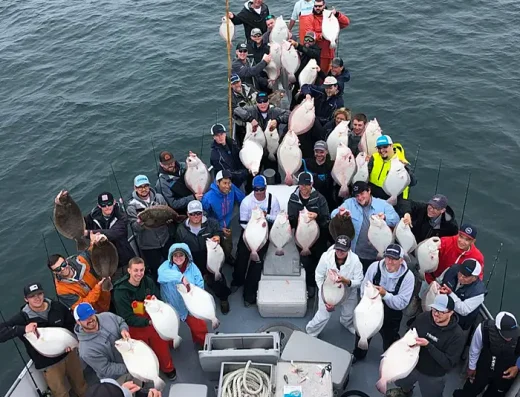
Cape Cod fishing charters work rips, shoals, deep-water edges, and tidal transitions that drive predictable striped bass, bluefish, tuna, and bottom-fish movement.
TrustedFish connects anglers with proven local captains in Cape Cod —no commissions, no pay-to-play listings, no BS. Every charter on our platform is invite-only, vetted for skill, local knowledge, and reputation. If they’re listed, they’ve earned it.
Cape Cod is a structure-and-current fishery. Every tide shift, temperature swing, and wind direction change alters where stripers stage, where bluefish attack, and where tuna push onto the shoals or off the backside. Captains fish Cape Cod successfully because they understand how each major zone reacts to tide speed, water temperature, and bait presence.
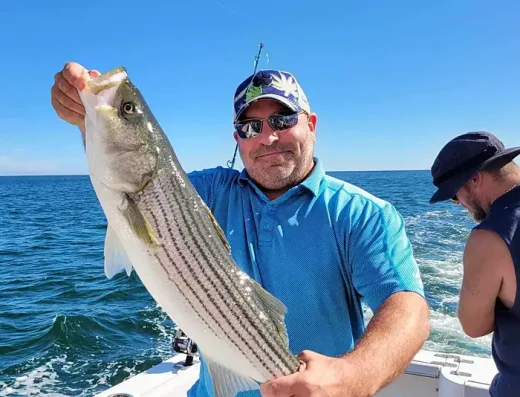
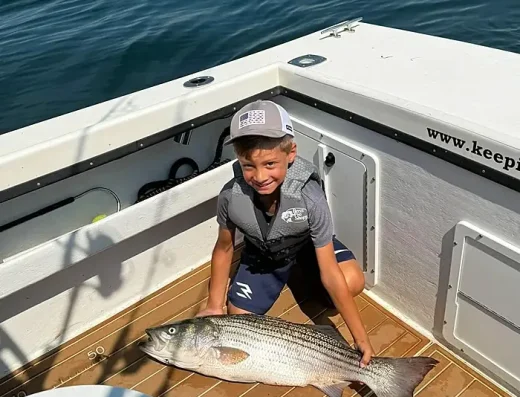
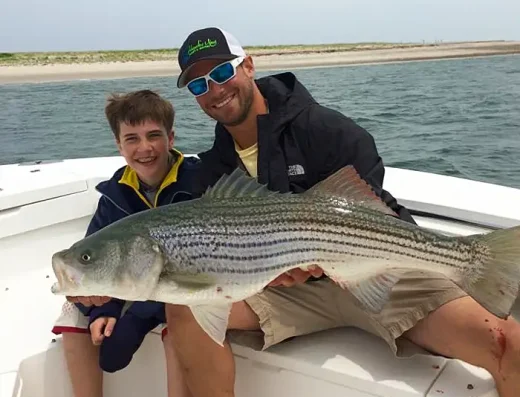
Striped bass are the backbone of the inshore program. On the Cape’s south side, rips created by shallow shoals force sand eels, squid, and small baitfish into compressed lanes—this produces reliable feeding windows during the first hour of moving tide. Bass push onto the top of rips during incoming flow and drop behind the shoal when tide slackens. On outgoing tide, stronger flow pushes bait deeper, and bass sit tight to the bottom edge. Guides run drift passes across the up-current face, keeping jigs or soft plastics in the feeding lane without dragging..
Bluefish spread wider but follow the same bait-driven mechanics. When warm water meets structure, bluefish push shallow into shoals and edges. On colder pushes, they drop deeper and require faster-moving metals or trolled spoons. Their presence is heavily tied to water temperature breaks that form where the Cape’s surrounding bodies of water meet.
Cape Cod Bay fishes differently. It’s deeper, slower, and holds sand eels in massive schools. Bass position along channel edges, deep bowls, and contour lines. The bay is calmer under southwest wind, making it a dependable refuge on rough days. Guides troll or jig deep edges where marks stack along the bottom, or topwater fish low-light hours when bass push bait to the surface.
Offshore, Cape Cod sits close to some of the Northeast’s best tuna grounds. Stellwagen Bank, Crab Ledge, and the backside edges form stable feeding platforms. Tuna feed high in the column during early light and drop deeper when boat traffic builds. Sand eel years produce heavy jig bites; squid years favor topwater and stickbaits. When temperature breaks form east of Chatham, guides push offshore to run troll spreads or cast to surface-feeding fish.
Wind is always relevant. Southwest wind warms the south side and increases bass and bluefish activity. Northeast wind cools water, roughens the backside, and can move tuna deeper. Every charter day adjusts around these patterns. Cape Cod fishing charters are sought-after because there is always a backup plan—bay edges, outer shoals, rips, or offshore lanes depending on weather and bait.
Monomoy produces some of the most reliable striped bass action on Cape Cod. Its shallow shoals create steep rips where sand eels and squid get forced upward into tight lanes. Bass stack on the up-current face during incoming tide, feeding aggressively as bait rises. Outgoing tide pushes fish deeper and requires heavier jigs to stay in the zone. Clean water from the east side improves visibility and extends surface activity. Guides drift across the rip at controlled angles, adjusting lure weight and drift speed based on tide strength. When conditions align, the rips deliver consistent action with minimal searching.
A high-relief plateau holding bluefin tuna, sand eels, haddock, and mixed predators. Tuna gather along the edges where deep water meets structure. Early morning surface feeds appear when sand eels push high; midday sees fish drop deeper and respond better to jigs. Guides scan for whales, birds, and bait marks to locate life. When tuna sit deep, vertical jigs and heavier presentations dominate. When fish rise, stickbaits and topwater produce. The bank also offers fallback ground for haddock and groundfish on slower tuna days.
A tidal convergence zone at the tip of the Cape. Strong currents and sand eel concentrations pull stripers and bluefish into the area. Bass feed along contour changes and deeper troughs created by shifting sand. Incoming tide brings cleaner cool water and pushes bait higher; outgoing tide creates turbulence that keeps predators active. Guides jig or troll along the drop-offs depending on current speed, shifting to topwater early morning when fish push to the surface.
Protected inside Cape Cod Bay, Barnstable’s shallow shoals hold school bass and summer sea bass. Bait moves across flats and into channels with tide speed. On incoming tide, fish push onto the shallow tops; on outgoing, they fall back into the channels. Guides drift edges with light tackle or anchor on productive seams. This zone fishes well on windy days when outer rips get too rough.
A productive cut feeding the outer beaches. Striped bass, bluefish, and summer tuna push bait against the backside surf line. Clean, cool water from the Atlantic enhances clarity and draws predators into casting range. On calm mornings, bass feed on squid and sand eels close to shore. On rougher days, fish hold deeper and respond better to weighted jigs. Guides work rips forming outside the inlet and run parallel passes along depth transitions.
A productive tuna zone east of Chatham. Temperature breaks and bait schools define the bite. Early morning topwater feeds appear on sand eel years; deeper jigging works when fish hold tight to bottom contour. Guides monitor life constantly and adjust line angle to match current.
A well-known Cape Cod Bay shoal holding bass and bluefish. Strong tide lifts bait into the rip; slack pushes fish deeper. Drifting jigs or small metals across the top produces on moving water. Works best under southwest wind.
Warm, shallow shoal with summer scup, bluefish, and school bass. Clean incoming water drives fish onto the edges. Guides run fast drifts with light tackle to cover ground.
Shifting sandbars create unpredictable rips and bait funnels. Bass and blues track the bars based on tide height. Incoming tide improves clarity; outgoing pushes bait into deeper pockets. A strong area for low-light passes.
Stripers arrive first on the south side, keying on squid. Rips fire as soon as sand eels and squid push over the shoals. Sea bass return to deeper structure. By late spring, Cape Cod Bay fills with school bass and squid-driven larger fish. Guides run mixed jig, topwater, and bait programs depending on the tide.
Peak action. Bass dominate Monomoy, Race Point, and bayside ledges. Bluefish spread across mid-bay shoals. Sea bass and scup fill deeper structure. Offshore, tuna run Stellwagen, Crab Ledge, and backside edges. Calm mornings allow long runs; afternoon southwest wind pushes charters toward bay or protected shoals.
Migrating bass feed heavily on sand eels and bunker. Bluefish remain active until temps drop. Tuna offer strong action as long as temperature breaks hold. Cooler nights tighten bait schools, concentrating predators and creating consistent morning feeds. Guides focus on ledges and deeper bowls as water cools.
Cold water pushes most inshore predators south. Limited holdover bass remain in deep pockets of the bay. Offshore tuna programs slow unless warm breaks hold near Chatham. Few charters operate, and the focus shifts to scouting, groundfish, or watching weather for rare windows. Winter is the least predictable season.
May–October for full mixed action; tuna strongest June–October.
South side and bay trips require short runs; offshore tuna depends on break location.
Yes. Rips and shoals rely on tide speed to feed.
Yes with guidance, though physical.
Yes—sea bass, scup, bluefish, and legal stripers.
Yes. It’s the main fallback zone on heavy wind days.