
Twin Cities Fishing Charters
Twin Cities fishing charters work metro lakes, river systems, and deep structure edges holding walleye, muskies, smallmouth, and panfish throughout changing wind, clarity, and seasonal pressure.
TrustedFish connects anglers with proven local captains in Twin Cities —no commissions, no pay-to-play listings, no BS. Every charter on our platform is invite-only, vetted for skill, local knowledge, and reputation. If they’re listed, they’ve earned it.
Top Rated Charters in Twin Cities
Twin Cities Fishing Guide
The Twin Cities sit in the middle of a dense lake-and-river network where depth changes, weed growth, current flow, and water clarity shift quickly. Guides build their day around three elements: lake basin structure, river current, and how each species reacts to pressure and light. Walleye use mid-lake humps, points, and deep breaks early and late, sliding shallow during low light or when wind pushes oxygen and forage toward the banks. When clarity improves, they hold deeper and require controlled live-bait rigs or jigging passes that match drift speed.
Smallmouth are structure-driven. They sit on rock piles, boulder fields, and island points on Minnetonka, Waconia, Prior Lake, and Mississippi/St. Croix stretches. On calm days they rise and feed across sand-rock transitions; on windy days they tuck into leeward pockets where guides run weighted plastics and crankbaits to stay on contour. River bronzebacks hold in current seams, eddies, and wing-dam breaks, and they feed hardest when river flow stabilizes after rain.
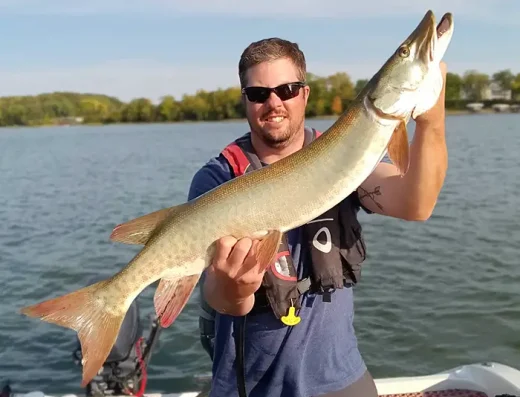
Muskies follow weedlines, shallow flats, and mid-depth breaks. Early season pushes them shallow into warming bays; summer and fall push them to edges and suspended forage over deep basins. Guides run figure-eight programs and long passes along cabbage edges, adjusting lure size and speed to match water temperature and pressure. Wind helps muskies rise; flat water compresses windows.
Crappie and bluegill stay consistent across metro waters. They occupy brush piles, shallow weeds, and basin edges depending on season. Guides use light tackle, electronics, and precise boat control to stay above roaming schools in deeper lakes.
Wind and recreational traffic heavily affect the Twin Cities fishery. Lakes like Minnetonka, Waconia, and White Bear can get churned mid-day, pushing fish deeper or into shade lines. River sections respond differently—flow and clarity dictate everything on the Mississippi and St. Croix. This is a tactically flexible region: charters can pivot between lakes and rivers based on weather, clarity, and species demand.
The commercial draw is reliability. A guide can run early walleye on a deep lake edge, move to smallmouth on a river seam, then finish with panfish in protected bays. The density of fishable water ensures charters always have a productive backup regardless of conditions.
Popular Fishing Areas
Lake Minnetonka Main Lake Basins
Minnetonka’s main basins offer walleye, muskies, and panfish across sharp breaks and mid-lake humps. Walleye slide shallow during low light, feeding along points and inside weed edges; daytime pushes them deeper where guides run live-bait rigs and bottom bouncers. Muskies track cabbage edges, rocky transitions, and suspended bait over deep water. Crappie roam basin edges and hold on deeper brush. Wind improves walleye action and pushes forage into ambush lanes. Clear water requires longer casts and precise depth control.
Lake Waconia Cabbage Flats
Waconia’s cabbage beds form predictable lanes for muskies, smallmouth, and walleye. Early morning and evening push predators onto the shallow side of the weeds; mid-day heat drives them to outer edges. Muskies hunt long weedlines, and guides run glide baits, bucktails, or rubber baits depending on wind. Smallmouth hold on adjacent rock and gravel patches. Walleye track deeper edges and respond to jigs or spinners. Stable clarity improves strike distance, while wind chop extends feeding windows.
Mississippi River
A high-output walleye and smallmouth zone due to strong current, deep holes, and wing dams. Walleye sit tight to current seams and feed during moderate flow when presentations remain vertical. Smallmouth work edges of wing dams and rock piles before dropping to deeper cuts as flow increases. Guides read flow gauges daily, adjusting rig weight and position to keep baits in the seam without dragging. Pool 2 is catch-and-release for walleye, keeping quality high.
St. Croix River
Clearer, deeper water holding smallmouth, walleye, and seasonal muskies. Smallmouth stack on rocky transitions, mid-river points, and current seams created by depth changes. Walleye hold deeper on breaklines and respond during low light or post-front stabilization. Muskie roam long edges and suspended forage zones. Boat control is critical here—guides hover or slow-drift with current to maintain presentation depth.
Prior Lake Points & Weedlines
A smaller but consistent metro lake with defined weed edges and moderate depth changes. Walleye use outer weed edges in low light; bass stay higher along grass clumps and rocky points. Panfish fill inside pockets and shallow weed beds. Guides pattern the lake by matching light angle with weedline depth, switching between casting and jigging as clarity shifts.
Extended Target Zones
White Bear Lake
Clear water and strong weed growth produce reliable smallmouth and walleye action. Fish respond heavily to clarity—bright days push them deeper along breaks, while overcast conditions pull them shallow. Walleyes hold on sand-to-rock transitions; smallmouth roam boulder fields and off-shore rock piles. Guides use long casts and lighter line due to visibility, drifting or hovering depending on wind.
Forest Lake
Three-basin lake with mixed structure. Walleye hold on mid-basin humps; muskies run weedlines and suspended bait. Panfish concentrate on shallow weed flats. Stable weather improves clarity and extends feeding windows. Guides rotate basins based on wind position and forage movement.
Lake Harriet & Calhoun Chain
Urban lakes with fast-warming shallows and clear-water edges. Bass and panfish dominate, but occasional muskie action comes from weedline transitions. Light wind boosts feeding; flat conditions require long, subtle presentations. Guides target early morning before recreational pressure builds.
Upper Mississippi Backwaters
Protected backwater cuts holding largemouth, northern pike, and panfish. Vegetation density determines fish positioning. Incoming flow and rising water push predators into newly flooded grass. Guides run frogs, spinnerbaits, and pitching setups along the thickest vegetation.
Fishing Seasons in Twin Cities
Spring
Ice-out triggers pre-spawn migrations. Walleye move toward river mouths, channels, and shallow rocks. Smallmouth push onto gravel, then stage on points before spawning. Crappie shift into warm, dark-bottom bays. Muskies remain sluggish until water rises into the mid-50s. Guides run slow presentations—jigs, rigs, and small swimbaits—targeting transitions where warming water collects. River levels and clarity fluctuate heavily after snowmelt, dictating which systems fish best.
Summer
Stable warm water produces the most consistent action. Walleye use deeper edges during the day but feed shallow at night. Smallmouth stage on mid-lake rock and deep points. Muskies hit weedlines early and suspended bait later in the season. Crappie and bluegill fill weedbeds and brush. Guides adjust daily to recreational traffic: early departures, deep structure mid-day, and evening shallow passes. Wind improves feeding activity across all lakes.
Fall
Cooling water pushes predators into heavy feeding cycles. Walleye hit aggressive jig and rig presentations along sharp breaks. Smallmouth gather on deep rock piles and feed heavily ahead of turnover. Muskies move onto outer weedlines, points, and suspended bait pods. Crappie shift to basin edges. Turnover timing varies by lake depth; guides avoid mixing water and target clearer, stable sections. Heavy fish weights and quality action define the season.
Winter
Ice season dominates, with targeted trips focusing on walleye, crappie, bluegill, and pike. Fish hold in basin edges, deep holes, and stable weedbeds. Walleye feed best at dawn and dusk along steep drops. Crappie suspend over deep basins and follow plankton; mobility is key. Pike stay near weedlines where oxygen remains higher. Guides drill grid patterns, use electronics heavily, and adjust jigging cadence based on pressure. Rivers stay partially open, but most winter fishing is ice-based.
Top Gamefish in Twin Cities
- Walleye – 1–10 lbs Hold on deep breaks, mid-lake humps, and river seams; strongest spring–fall. Rise on windy, low-light windows and drop deep when clarity improves. Taken on rigs, jigs, and controlled drifts that match current or wind speed.
- Smallmouth Bass – 2–5 lbs Work rock piles, island points, and current edges; strongest late spring–fall. Feed aggressively when clarity stabilizes, pushing shallow on calm days. Taken on tubes, cranks, swimbaits, and dropshots.
- Muskie – 30–50+ lbs Track weedlines, edges, and suspended forage; strongest summer–fall. Active during wind-driven feeding windows; flat water compresses strike windows. Taken on bucktails, glide baits, rubber, and trolling passes.
- Crappie – 0.5–1.5 lbs Hold in basin edges, brush piles, and warm shallow bays; strongest spring–fall. Suspend over deeper water as heat builds. Taken on jigs, minnows, and tight vertical presentations.
- Bluegill – 0.25–1 lb Sit in weedbeds, shallow flats, and basin transitions; strongest late spring–summer. Highly influenced by light and weed density. Taken on small jigs and natural baits.
Twin Cities Fishing FAQs
Best time for Twin Cities fishing charters?
Late spring through fall for walleye, smallmouth, and muskie.
Are runs long?
No. Lakes and rivers are within minutes of each launch.
Does wind matter?
Yes. Wind drives walleye and smallmouth movement and increases muskie windows.
Beginner-friendly?
Yes—panfish and bass provide steady action on protected lakes.
Do charters clean fish?
Yes—walleye, crappie, perch, and legal species.
Can you fish rivers and lakes on the same trip?
Often. Guides choose based on clarity, wind, and flow.