
Melbourne Fishing Charters
Melbourne fishing charters put anglers on the Indian River Lagoon, Banana River, and Atlantic Ocean for redfish, snook, seatrout, tarpon, kingfish, and mahi mahi.
Top Rated Charters in Melbourne
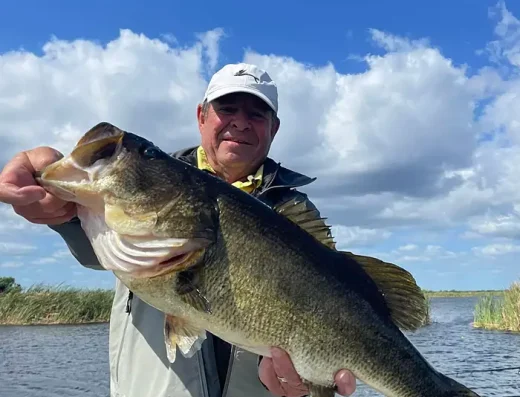
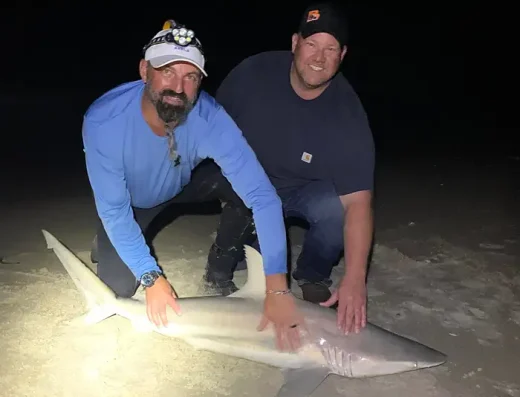
TrustedFish connects anglers with proven local captains in Melbourne, Florida —no commissions, no pay-to-play listings, no BS. Every charter on our platform is invite-only, vetted for skill, local knowledge, and reputation. If they’re listed, they’ve earned it.
Melbourne, FL Fishing Guide
Fishing out of Melbourne, Florida gives you the full spectrum—from skinny-water flats to deep blue offshore runs. The Indian River Lagoon system is the backbone here, with guides running flats boats and bay boats to stalk redfish, speckled trout, black drum, and snook on light tackle. Launch points include Eau Gallie Causeway, Front Street Park, and ramps along the Banana River. Runs are short; you can be casting to tailing reds within 10 minutes of leaving the dock.
For inshore, most charters drift grass flats and mangrove edges with live shrimp, mullet, or artificials under popping corks. Sight-fishing tailing reds with lures or fly tackle is a highlight in calm conditions. Snook stack up around docks, bridges, and mangrove lines, especially during the summer months. Seatrout and black drum stay steady year-round, with tarpon showing up seasonally in the Lagoon and along the beaches.
Head east through Sebastian Inlet or Port Canaveral, and you’re on the Atlantic. Nearshore reefs hold king mackerel, cobia, and sharks, while offshore ledges and weedlines produce mahi mahi, wahoo, and sailfish. Half-day nearshore trips usually troll for kings or chase cobia along beach runs, while full-day offshore trips head 20–40 miles out to troll for pelagics and bottom fish for grouper and snapper. Captains here know how to mix it—many trips start by trolling and end by dropping baits on a reef for variety.
Seasons dictate tactics. Spring sees cobia and kingfish along the beaches, with redfish active inshore. Summer heats up for snook, tarpon, and mahi offshore. Fall brings bull reds in the Lagoon and a strong mullet run that fires up every predator inshore and nearshore. Winter means clear water for sight-fishing reds and drum, plus strong bottom fishing offshore.
Melbourne’s fishery is diverse and efficient—you’re never more than 20–30 minutes from action, whether it’s stalking tailing reds in the Lagoon or trolling weedlines offshore.
Fishing Seasons in Melbourne
Autumn (March–May)
In Autumn cobia runs are strong, with fish migrating along the beaches and sight-casted with jigs. Inshore, redfish and seatrout get active on warming flats, and snook begin to stir. Offshore, mahi start showing on weedlines, and kingfish bite over nearshore reefs.
Winter (June–August)
Winter has peak inshore action for snook, trout, and tarpon. Guides fish docks, bridges, and mangrove edges with live bait. Offshore, mahi, sailfish, and wahoo are prime, with king mackerel thick on the reefs. Calm mornings allow small boats to sneak out for nearshore runs before the afternoon chop.
Spring (September–November)
The mullet run makes spring the most exciting season. Redfish, snook, tarpon, and jacks all crash bait schools inshore and along the beaches. Offshore, kings and cobia are strong, and bottom fishing for snapper and grouper improves as waters cool. Bull reds stack up in the Lagoon, offering trophy-class inshore battles.
Summer (December–February)
Cooler winter water clears the Lagoon, making sight-fishing for redfish and black drum excellent. Sheepshead bite well around structure, and speckled trout stay steady. Offshore, bottom fishing takes center stage with grouper, snapper, and amberjack, while pelagics thin out until spring.
Gamefish in Melbourne
- Redfish – 5–40 lbs. Found on Lagoon flats year-round; best in fall during the mullet run.Snapper – 2–10 lbs. Caught year-round on inshore reefs, best in fall and winter on baits and soft plastics.
- Snook – 5–20 lbs. Caught around docks, bridges, and mangroves; peak in summer with live bait.
- Speckled Trout – 1–6 lbs. Steady bite in grass flats year-round; best on shrimp and soft plastics.
- Tarpon – 30–100+ lbs. Summer and fall target; found rolling in the Lagoon and along beaches.
- King Mackerel – 10–30 lbs. Peak in spring and summer; taken trolling live bait on nearshore reefs.
- Mahi Mahi – 5–25 lbs. Offshore in summer; found along weedlines, best taken trolling rigged ballyhoo.
- Cobia – 10–40 lbs. Spring and fall nearshore target; cast jigs or live bait to cruising fish.
- Grouper – 10–40 lbs. Found offshore on ledges; taken bottom fishing with live or cut bait.
Melbourne Fishing FAQs
Where do most Melbourne charters launch?
Front Street Park, Eau Gallie Causeway, and Banana River ramps are common for inshore. Offshore charters often run out of Sebastian Inlet or Port Canaveral.
How long are typical trips?
Half-day trips run 4–5 hours and focus on Lagoon species or nearshore reefs. Full-day charters go 8–10 hours, heading offshore for pelagics and bottom fish.
Is gear included on Melbourne charters?
Yes, rods, reels, tackle, and bait are all supplied. Fly gear is available with some guides for Lagoon trips.
Do I need a fishing license?
No, charter guests are covered under the captain’s license
What’s the best season to fish Melbourne?
Fall during the mullet run is unbeatable, but spring for cobia and summer for snook and mahi are also excellent.
What fishing methods are used here?
Inshore: live bait, popping corks, sight-casting, and fly fishing. Offshore: trolling, bottom fishing, and jigging.
How big are the fish usually caught?
Redfish average 5–15 lbs, snook 5–20 lbs, and tarpon can push 100. Offshore, kings average 15 lbs, mahi 10–20 lbs, and grouper 20–40 lbs.
Can groups fish together?
Yes, most boats carry 4–6 anglers, with some offshore charters handling larger groups.
Do charters run specialty trips?
Yes, fly-fishing redfish trips in the Lagoon, tarpon-focused summer trips, and offshore big-game hunts are popular.