
Lexington Fishing Charters
Lexington fishing charters put anglers on striped bass, largemouth bass, catfish, and crappie across Lake Murray’s long points, deep channels, submerged timber, and high-bait zones.
TrustedFish connects anglers with proven local captains in Lexington —no commissions, no pay-to-play listings, no BS. Every charter on our platform is invite-only, vetted for skill, local knowledge, and reputation. If they’re listed, they’ve earned it.
Top Rated Charters in Lexington
Lexington Fishing Guide
Lexington sits on the southern reach of Lake Murray, one of the strongest freshwater fisheries in the Southeast. The lake fishes big, with long running channels, wide basins, humps, submerged timber, and shallow coves that change dramatically with water level, light, and wind direction. Striped bass roam open water in fast-moving schools, tracking blueback herring and shad across vast feeding zones. Largemouth bass feed along docks, points, brush piles, and grass edges. Catfish hunt deeper ledges, creek channels, and flats. Crappie stack on brush piles, timber, and bridge pilings depending on season.
Fishing Lake Murray without a guide can mean long hours idling and searching. Stripers move constantly, and the difference between catching nothing and hitting a feeding school is often just a few hundred yards. Guides use live sonar, side-scan, and knowledge of bait movement to stay on fast-moving fish. They also know which creek arms warm earliest in spring, which deep structures hold crappie in winter, and how wind alignment pushes bait into predictable largemouth bass zones.
The lake offers action year-round, but each month requires a different approach. With a Lexington fishing guide, anglers skip the searching and go straight to high-percentage areas based on real-time bait behavior, water temperature, and depth transitions.
Popular Fishing Areas
Dreher Island Points and Humps
This area produces excellent striped bass, largemouth, and crappie action because of its long points, deep humps, and strong bait presence. Stripers push bait onto the ends of these points during early morning and low-light periods, striking aggressively on live bait or jigging spoons. Largemouth feed along brush piles, rock transitions, and dock structures. Crappie sit on mid-depth brush in predictable schools. When wind pushes bait through the basin, stripers can erupt into feeding frenzies. Guides use sonar to position the boat on the up-current side of structure and target suspended fish that shift throughout the day.
Lexington Side Creek Arms
The creek arms near Lexington provide consistent multi-species action, especially in spring and early summer. Warming water pushes shad into these arms, followed by stripers, largemouth, and catfish. Largemouth feed on points, grass, and shallow wood early, then drop to brush piles as light rises. Stripers hunt deeper bends where bait collects. Catfish work channel edges and flats, especially after rain events. These creeks respond heavily to wind direction, which controls where bait concentrates. Guides rotate through mouths, secondary points, and mid-depth structure until they find the most active bait line.
Lake Murray Dam Region
The dam area delivers strong striped bass action, especially in summer when deeper, cooler water concentrates schools. Stripers suspend in large groups above the thermocline, hitting live bait, jigging spoons, and downline presentations. Largemouth hold along rocky banks, riprap, and brush near the dam. Catfish use deep ledges and bottom transitions to ambush bait. This region shines during hot weather when fish escape warming surface water and settle into predictable depth layers. Guides rely on sonar to track roaming schools and adjust presentation depth quickly
Saluda River Channel
The Saluda River channel forms one of the most important travel corridors in the lake. Stripers patrol this channel throughout the year, especially during seasonal migrations toward the upper lake. Largemouth set up on edges, drops, and submerged structure near bends. Crappie often stage on mid-depth piles along the channel. Water flow and bait position move fish daily. Guides focus on channel intersections, depressions, and humps to follow active schools. This region offers steady action when wind or boat pressure pushes fish off shallow structure.
Upper Lake Timber Fields
The upper end of Lake Murray contains large timber forests and stump fields that hold bass, crappie, and catfish. Largemouth ambush along tree lines, shallow cover, and shade pockets. Crappie stack vertically on standing timber in predictable depth bands. Catfish work the deeper bases of timber during warm conditions. Stripers sometimes push bait into open water pockets between timber rows. This zone requires precise boat positioning, and guides use sonar to place baits in the strike zone without dragging into heavy cover. The area produces consistently when fish move shallow or suspend mid-column.
Extended Target Zones
Rocky Creek and Mid-Lake Coves
These coves produce quality largemouth and crappie fishing throughout much of the year. Largemouth feed along dock lines, laydowns, and rocky transitions, especially during early morning and prespawn. Crappie gather on brush piles and small timber clusters, providing steady action with jigs or minnows. When wind pushes bait into coves, stripers may push into mid-depth water lanes for short feeding bursts. Captains run structured passes to identify which coves have the strongest bait concentration and clearest water that day.
Big Oak Basin
Big Oak Basin is a strong open-water striped bass zone, especially when bait schools drift across deeper water. The basin’s irregular bottom creates subtle edges that hold fish. Stripers suspend in large groups, and when they rise to the middle of the column, the bite can be explosive. Largemouth sometimes work secondary points connected to the basin, while catfish feed on bottom transitions. Guides track bait signatures and water temperature gradients to stay on active schools.
Irmo Side Pockets and Backwater Cuts
These protected pockets provide a mix of largemouth and crappie opportunities. Early in the year, warmer water temperatures here draw bass into skinny water. As temperatures rise, crappie shift to brush and docks. Stripers occasionally sweep through when shad enter shallow pockets, creating quick-hit feeding opportunities. Guides evaluate water clarity and temperature to determine whether these pockets will produce or if fish have pushed deeper.
Fishing Seasons in Lexington
Spring
Spring brings strong striped bass and largemouth bass action across creek arms, long points, and mid-lake structure. Rising water temperatures push bait toward the backs of creeks, and predators follow aggressively. Stripers often feed near the surface early, then suspend deeper as the sun rises. Largemouth move into prespawn staging on points, brush piles, and docks. Crappie shift shallow to spawn, creating some of the year’s best volume fishing. Guides focus on transitional structure and channels that funnel bait into predictable routes.
Summer
Summer drives striped bass into deeper water where they suspend in tight schools above cooler layers. Guides run downlines, jigging spoons, and live bait to match school depth. Early mornings can produce surface schooling action. Largemouth move to docks, brush piles, and offshore edges. Crappie gather on deep timber and structure. Catfish feed aggressively along ledges and flats. Stable weather helps establish predictable depth patterns, making sonar essential for tracking moving bait.
Fall
Fall produces aggressive feeding as water cools and shad move toward mid-lake zones and creek mouths. Stripers chase bait into shallow and mid-depth water, often surfacing during early morning feeding runs. Largemouth move back to points, grass edges, and shallow cover. Crappie re-group on brush piles and timber. This is one of the best seasons for high catch rates because fish feed longer and move less erratically than in summer. Guides track bait movement and wind-driven positioning to keep anglers on active fish.
Winter
Winter concentrates striped bass, crappie, and catfish in deeper channels, points, and mid-lake structure. Stripers suspend in tight formations and respond well to deep jigging or slow live bait presentations. Crappie hold on deep brush or timber edges. Catfish feed steadily along deeper ledges. Cold fronts influence clarity and bait movement, but fish remain predictable once stable weather returns. Guides rely heavily on electronics and precise depth control during winter trips.
Top Gamefish in Lexington
- Striped Bass – 3 to 12 lbs Fast-moving predators that track bait schools across open water. Known for hard runs and powerful fights. Excellent year-round with peak action summer and fall.
- Largemouth Bass – 1 to 8 lbs Hold around docks, brush, grass, and points. Strong spring prespawn and fall feeding windows with consistent summer action.
- Paste Gamefish hereCrappie – 0.5 to 2 lbs Stack on brush, timber, and docks. Excellent spring spawning action and steady winter bite at controlled depths.
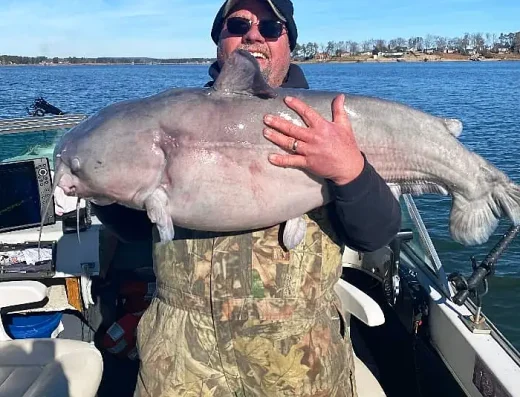
- Catfish – 2 to 20 lbs Feed along ledges, channels, and flats. Strong through summer and fall with reliable deep-water patterns in winter.
Lexington Fishing FAQs
What species can I catch with Lexington fishing charters?
Striped bass, largemouth bass, crappie, and catfish.
Do charters supply all gear?
Yes. All rods, tackle, bait, and safety equipment are included.
Is Lake Murray beginner friendly?
Yes. Stripers and crappie provide steady action, and guides handle all positioning and electronics.
When is the best time to fish Lexington?
Spring and fall for largemouth and crappie, summer for deep striped bass, winter for concentrated fish.