
Baytown Fishing Charters
Baytown fishing charters put you on redfish, speckled trout, flounder, black drum, and sheepshead across Trinity Bay, Upper Galveston Bay, the San Jacinto River, and productive marsh drains and structure edges.
TrustedFish connects anglers with proven local captains in Baytown —no commissions, no pay-to-play listings, no BS. Every charter on our platform is invite-only, vetted for skill, local knowledge, and reputation. If they’re listed, they’ve earned it.
Top Rated Charters in Baytown
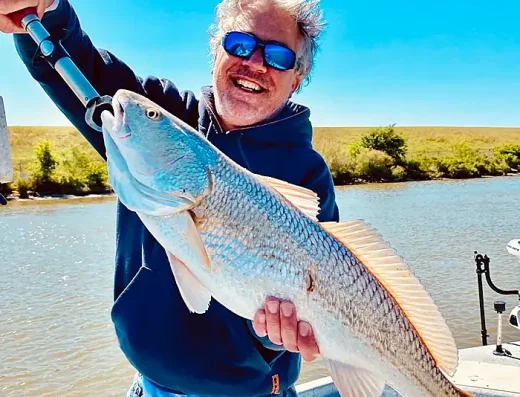
Baytown Fishing Guide
Baytown sits on some of the most underrated inshore water on the entire Texas coast. Trinity Bay, Upper Galveston Bay, and the river systems around Baytown create a massive, tide-driven network filled with structure, bait movement, and big fish. Redfish push along shallow shorelines, drains, and shell edges all year. Speckled trout stack on reefs, spoil banks, oyster patches, and deeper ledges. Flounder hold on sand-shell transitions and ambush anything moving with the tide. Drum and sheepshead feed tight on structure, rocks, and pilings. Everything here revolves around water clarity, tide direction, wind alignment, and bait — and those variables change constantly.
Baytown fishing charters eliminate the guesswork. Local captains know which reefs are holding trout today, which cuts are draining bait, and which wind direction pushed clean water into a specific shoreline overnight. They time outings around productive tide windows, run the correct drifting angle across reefs, and position the boat so your baits stay in the feeding lane instead of away from the fish.
If the bay gets muddy or wind-blown, charters shift into the rivers and deeper structure zones where fish stabilize. If clarity improves along a shoreline, they target redfish pushing wakes in inches of water. When the tide dumps hard, they work drains and ambush points where flounder and redfish pin bait.
Baytown is a year-round fishery with steady action for every skill level. With a guide, you skip the searching and step straight into high-percentage water.
Popular Fishing Areas
Trinity Bay Shorelines and Oyster Reefs
Trinity Bay is a massive, productive system that holds trout, redfish, flounder, and drum all year. The oyster reefs scattered across mid-bay are classic trout structure, especially when wind pushes clean water across the shells. Early mornings often produce trout drifting over reef edges with soft plastics or live bait. Redfish cruise the shallow shorelines, mud flats, and marsh mouths where mullet and shrimp gather. Clarity changes quickly based on wind and river flow, and guides adjust location and drift speed to stay on fish. Trinity Bay consistently produces numbers and quality when you fish the right areas with stable water color.
Upper Galveston Bay and Lynchburg Area
Upper Galveston Bay offers steady trout and redfish action, with strong influence from tides and wind. Spoil banks, shell pads, and deeper breaks create structure-rich feeding zones. The Lynchburg Crossing area adds hard structure, pilings, and eddies where drum and sheepshead feed aggressively. Trout stack along deeper shell edges and hit best with moving water. Redfish push into shallow cuts early, then drop into deeper pockets once the sun rises. Guides use controlled drifts or anchor positions to keep baits in the productive part of the water column. This area fishes well through spring, summer, and fall when clarity stabilizes.
Everitt’s Bayou and Marsh Drains
Everitt’s Bayou is a strong redfish and flounder zone, especially on moving tides. Outgoing water pulls shrimp and baitfish from the marsh, stacking reds just outside the drains. Flounder position right on the bottom along the first depth break and crush anything swept past. On rising water, redfish push shallow onto mud and grass edges and wake-feed aggressively. Trout hold farther out near channel edges. Water clarity, tide height, and wind direction determine which drains produce. Guides rotate through a network of cuts and pockets to find where the current sets up strongest on that particular day.
San Jacinto River and Industrial Structure Zones
The San Jacinto River system offers deep structure, steady current, and reliable fishing when the bays get too windy or muddy. Redfish and drum hold along rocks, pilings, and channel edges where current slides past hard cover. Trout feed on deeper bends and eddies, especially in cooler months. Sheepshead are plentiful around pilings and respond well to natural baits. This system changes quickly with tide and flow rates, and fish reposition often along edges. Guides know which bends hold fish based on flow, clarity, and bait movement. The river is a dependable fallback zone that produces in tough conditions.
Extended Target Zones
Tabbs Bay and Burnett Bay
Tabbs Bay and Burnett Bay are overlooked but extremely productive redfish and flounder areas. These bays hold shallow flats, grass lines, mud bottoms, and shell that create perfect feeding structure. Redfish school along wind-blown banks, ambush around points, and wake-feed across shallow mixed-bottom areas. Flounder sit on transitions where soft bottom meets scattered shell. Trout appear around deeper edges during stable weather. Water color can swing quickly, but when clarity lines up, these bays offer high-volume action. Guides drift or wade these areas depending on conditions, targeting subtle structure shifts that most anglers overlook.
Fred Hartman Bridge and Deep Channel Edges
The deep water around the Fred Hartman Bridge holds drum, trout, sheepshead, and seasonal redfish. Strong tidal flow pushes bait against structure, creating predictable feeding windows. Drum stack along deeper edges and respond well to natural baits. Trout use calmer pockets near eddies and depth changes. Sheepshead line the pilings and hit small crabs or shrimp. The key here is timing the tide correctly. Guides anchor up-current and let baits settle naturally into the strike zone. This area shines in winter and spring when fish seek stable temperature and depth.
Fishing Seasons in Baytown
Spring
Spring kicks off aggressive feeding across Trinity Bay and Upper Galveston Bay. Trout move onto reefs and strike actively when tides push clean water across shell. Redfish work shallow edges early, then slide deeper as the sun rises. Flounder return to bay systems and feed along drains and transitions. Drum and sheepshead gather on structure. Spring winds affect clarity daily, so guides work clean pockets and protected shorelines to keep bites consistent. This is one of the best seasons for mixed species and steady action.
Summer
Summer brings big schools of trout across reefs, ledges, and open-water shell. Early mornings produce topwater strikes before fish drop deeper. Redfish feed around marsh entrances and wind-driven shorelines. Flounder hold along deeper cuts and bottom transitions. Nearshore Gulf opportunities open up as Spanish mackerel and sharks move into the passes. Heat-driven clarity shifts require guides to track where clean water filtered in overnight. Summer is high-volume fishing with strong tidal influence and action that can last all day when the wind cooperates.
Fall
Fall is peak season in Baytown. Redfish school hard along shorelines, drains, and shallow mud bottoms. Trout strengthen around reefs and spoil banks as shrimp move through the system. Flounder fishing reaches its best just prior to migration, especially around cuts and points. Drum and sheepshead feed steadily on rocks and pilings. Water temperatures drop, bait consolidates, and fish feed heavily in preparation for winter. Guides chase moving bait, run active drifts, and shift between shallow and mid-depth zones to stay on aggressive fish. Fall provides exceptional numbers and quality.
Winter
Winter concentrates fish in deeper pockets, channel edges, and protected zones with stable temperature. Redfish gather in mud-bottom creeks and marsh ponds on sunny days. Trout move to deeper bends and structure but remain active when water clarity is green. Drum and sheepshead stay consistent around pilings and rocks. Strong north winds reshape clarity lines daily, and guides target areas with the warmest water and cleanest flow. Winter fishing is predictable and often produces the biggest trout of the year.
Top Gamefish in Baytown
- Redfish – 3 to 30 lbs Powerful fighters working drains, shorelines, and shallow flats. Feed aggressively on moving tides all year.
- Speckled Trout – 1 to 6 lbs Hold on reefs, shell, and drop-offs. Strong spring and fall bite windows with consistent summer volume.
- Flounder – 1 to 5 lbs Ambush feeders on sandy transitions, drains, and structure edges. Peak action before fall migration.Flounder – 1 to 5 lbs Ambush feeders on sandy transitions, drains, and structure edges. Peak action before fall migration.
- Black Drum – 2 to 30 lbs Consistent on deep structure, rocks, and channel breaks. Heavy, steady fights.
- Sheepshead – 2 to 8 lbs Structure-oriented fish stacked on pilings and rocks. Great cool-season action.
- Spanish Mackerel – 1 to 4 lbs Fast nearshore predators appearing in summer. Hit spoons and live bait at high speed.
Baytown Fishing FAQs
What can I catch on a Baytown fishing charter?
Redfish, trout, flounder, drum, sheepshead, and seasonal nearshore species.
Is Baytown beginner friendly?
Yes. Steady action, predictable structure, and protected water make it ideal for all skill levels.
When is the best time to fish Baytown?
Fall for peak action, spring for variety, summer for quantity, winter for big trout and drum.
Do guides provide gear?
Yes. All tackle, bait, rods, and safety equipment are included.
Are tides important?
Critical. Tide movement and clarity determine everything here. Charters plan trips around them.