
Little Elm Fishing Charters
Little Elm fishing charters put you on hybrid striped bass, white bass, crappie, catfish, and largemouth across Lake Lewisville’s points, humps, timber, and massive open-water schooling zones.
TrustedFish connects anglers with proven local captains in Little Elm —no commissions, no pay-to-play listings, no BS. Every charter on our platform is invite-only, vetted for skill, local knowledge, and reputation. If they’re listed, they’ve earned it.
Top Rated Charters in Little Elm
Little Elm Fishing Guide
Little Elm sits on the northern reach of Lake Lewisville, one of the most action-packed freshwater lakes in North Texas. This lake fishes big. It has deep channels, broad flats, mid-lake humps, standing timber, creek arms, and open basins where hybrids and white bass erupt into huge schooling frenzies. When the bait pushes shallow, everything feeds. When the bait drops deeper, fish stack along ledges and suspend in massive schools. A trip can go from calm water to nonstop rod-bending chaos in seconds when birds hit the surface and hybrids blow bait apart.
Hybrid and white bass are the stars here. They move constantly with shad, and timing matters. A captain knows where those schools were moving at sunrise, how the wind shaped the bait last night, and which hump or ridge is about to fire. Crappie hold tight on brush piles and timber. Catfish feed along channels, flats, and timber edges. Largemouth work grass, rocks, docks, and brush depending on season.
Little Elm fishing charters use sonar, side-scan, and forward-facing technologies to stay on top of roaming fish. They adjust depth continually, switch between slabs, live bait, soft plastics, and trolling passes, and keep anglers locked into the strike zone instead of searching blind water. Whether you want big hybrid runs, steady crappie action, or a mixed cooler day for the family, Lake Lewisville delivers fast-paced fishing from start to finish.
Popular Fishing Areas
Main Lake Humps and Open-Water Basins
This is where the biggest hybrid and white bass schools feed. Large underwater humps rise out of deep water and act as feeding tables whenever shad move across them. Wind direction pushes bait onto certain edges, and when everything lines up, the surface can erupt with fish slashing shad. Hybrids run hard and fight heavy, and you often see them on sonar before they blow up the surface. White bass stack in layers beneath them. Guides watch bird activity, bait clouds, and depth changes, then position the boat to intercept moving schools. This region is electric during summer and fall when fish feed aggressively.
Little Elm Arm and Tributary Cuts
The Little Elm branch holds a mix of sandies, hybrids, largemouth, and seasonal catfish. Shallow flats warm early in spring, drawing bait and predators into the coves. Largemouth use brush, docks, and rock edges to ambush shad. Hybrids and whites push into the deeper tributary cuts and feed along drop-offs where shad stage. In summer, wind-blown points become high-percentage spots with steady action. Guides work creek-channel transitions, secondary points, and underwater structure with live bait, slabs, or trolling tactics. This zone fishes well year-round because it consistently holds bait and offers varied depth.
Standing Timber and Brush Pile Zones
Standing timber and planted brush piles create some of the best crappie habitat on the lake. Crappie stack vertically on these structures, often holding at precise depths that change throughout the day. Hybrids and white bass sometimes push bait across the timber edges, creating short but explosive bites. Catfish sit along the timber base and channel curves. Guides use sonar to mark exact piles and position directly above them, dropping jigs or minnows into the strike zone with pinpoint accuracy. Once crappie are found, the action can be steady with limits possible on good days.
Lewisville Dam and Deep-Water Drop-Offs
The dam area holds deep water that attracts big hybrid schools, white bass, and catfish. Strong wind pushes bait against the structure, creating predictable feeding windows. Hybrids suspend here in summer and winter, feeding in bursts that range from subtle to violent. White bass form massive schools along deeper edges and respond well to slabs and vertical jigging. Catfish gather around drop-offs and feed aggressively on cut bait. Guides watch for bait stacks and fish arcs on sonar, adjusting depth constantly to stay in contact with moving schools. This is one of the most consistent areas for numbers and size.
Extended Target Zones
Hickory Creek and Mid-Lake Creeks
Hickory Creek and neighboring creek arms offer calmer water and strong seasonal patterns. In spring, these arms fill with bait and become prime staging areas for largemouth and crappie. Summer pushes sandies and hybrids into the deeper bends where shad stack. Catfish feed heavily after rain events when current increases. Structure includes brush, timber, drop-offs, and underwater troughs that fish use throughout the year. Guides rotate between these arms based on clarity, wind direction, and bait concentration.
Old Lakebed Channels and Underwater Roads
Before Lake Lewisville filled, roads and channels shaped the landscape. These underwater features remain key routes for hybrids, whites, and catfish. Shad travel along these structures, and predators follow closely. Hybrids often suspend over the edges, feeding aggressively when bait bunches up. White bass school in huge numbers along shallower sections. Catfish work the deeper cuts and soft-bottom transitions. Guides troll, jig, or anchor depending on fish position and movement. This zone is excellent for steady numbers and mixed-species action.
Fishing Seasons in Little Elm
Spring
Spring fires up every species on Lake Lewisville. Hybrids and white bass push shallow and begin schooling as water temperatures rise. Largemouth move into prespawn stages along brush, rock, and grass. Crappie load onto shallow brush and docks, creating some of the best action of the year. Catfish become active along channels and flats. Wind and warming trends dictate where bait gathers, and guides follow these patterns to stay on fish. Spring offers strong mixed-bag opportunity and fast, consistent bites.
Summer
Summer is peak schooling season. Hybrids and white bass form massive open-water schools and erupt at the surface during the coolest parts of the day. Vertical jigging, live bait, and slabs all produce. Crappie shift deeper into timber and brush. Catfish activity is strong day and night. Heat stabilizes patterns, making fish predictable if you know where they move when light changes. Guides track bird activity and bait clouds to stay on active fish.
Fall
Fall brings cool weather and nonstop action. Hybrids and whites feed aggressively as shad migrate shallow. Surface explosions become frequent, especially mornings and evenings. Largemouth feed heavily on creek-arm shad schools. Crappie return to mid-depth brush and bite consistently. Catfish move along wind-blown points and deeper flats. Guides love fall because fish feed longer and pressure drops. This is one of the easiest seasons for high catch rates and big hybrid numbers
Winter
Winter concentrates fish in deeper water, making hybrids, whites, and crappie easy to target once located. Hybrids suspend in tight groups and hit slabs and live bait with strong, heavy runs. Crappie hold tight on deep brush piles. Catfish feed along channel ledges and deeper holes. Cold fronts shift positioning slightly, but patterns remain stable. Guides rely heavily on electronics and depth control to stay locked onto winter schools. Winter is excellent for quality fish and less boat pressure.
Top Gamefish in Little Elm
- Hybrid Striped Bass – 3 to 10 lbs Hard-pulling, aggressive open-water predators that school in massive groups. Hit slabs, live bait, and trolling rigs with power.
- White Bass – 1 to 2 lbs Fast schooling fish found across humps, points, and open-water bait zones. High-volume action for all skill levels.
- Largemouth Bass – 1 to 7 lbs Work brush, docks, grass, and creek transitions. Strong spring and fall action with steady year-round potential.
- Crappie – 0.5 to 2 lbs Stack on timber and brush pile structure. Excellent spring and winter bite windows.
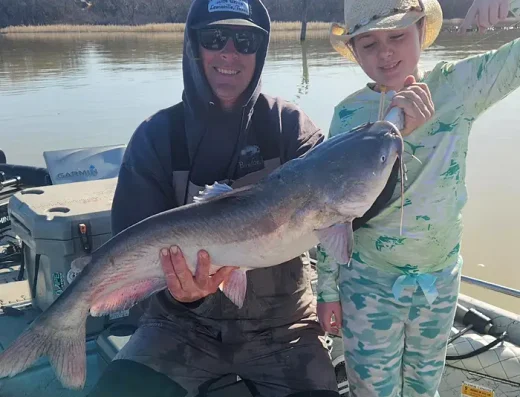
- Catfish – 2 to 20 lbs Reliable fighters on channels, flats, and deep drops. Strong action all year with summer peaks.
[ Locations ] Fishing FAQs
What can I catch with Little Elm fishing charters?
Hybrid striped bass, white bass, crappie, largemouth bass, and catfish.
Is Lake Lewisville beginner friendly?
Very. High-volume schooling fish and easy-access structure make it ideal for new anglers and families.
When is the best time to fish?
Summer and fall for hybrids and whites, spring for largemouth and crappie, winter for deep-school consistency.
Do guides supply gear?
Yes. All rods, tackle, bait, electronics, and safety equipment are included.
Do patterns change quickly?
Constantly. Wind, bait movement, and boat pressure shift fish hour-by-hour. Guides track these changes in real time.