Offshore fishing on Florida’s Gulf Coast isn’t about chasing hype, fast limits, or highlight-reel days. It’s about understanding distance, bottom, weather windows, and timing. Whether boats are running out of Clearwater, St. Petersburg, Treasure Island, Venice or Palmetto, the Gulf doesn’t give things up easily. Depth comes slowly, structure is spread out, and the difference between a good offshore day and a long boat ride often comes down to decisions made before the dock lines come off.
This coast rewards anglers who plan, adjust expectations, and fish deliberately. If you’re used to Atlantic-style offshore fishing where deep water appears quickly, the Gulf will feel different. Runs are longer, patience matters more, and success often comes from working bottom and edges rather than chasing surface activity.
What Offshore Fishing Really Means on the Gulf
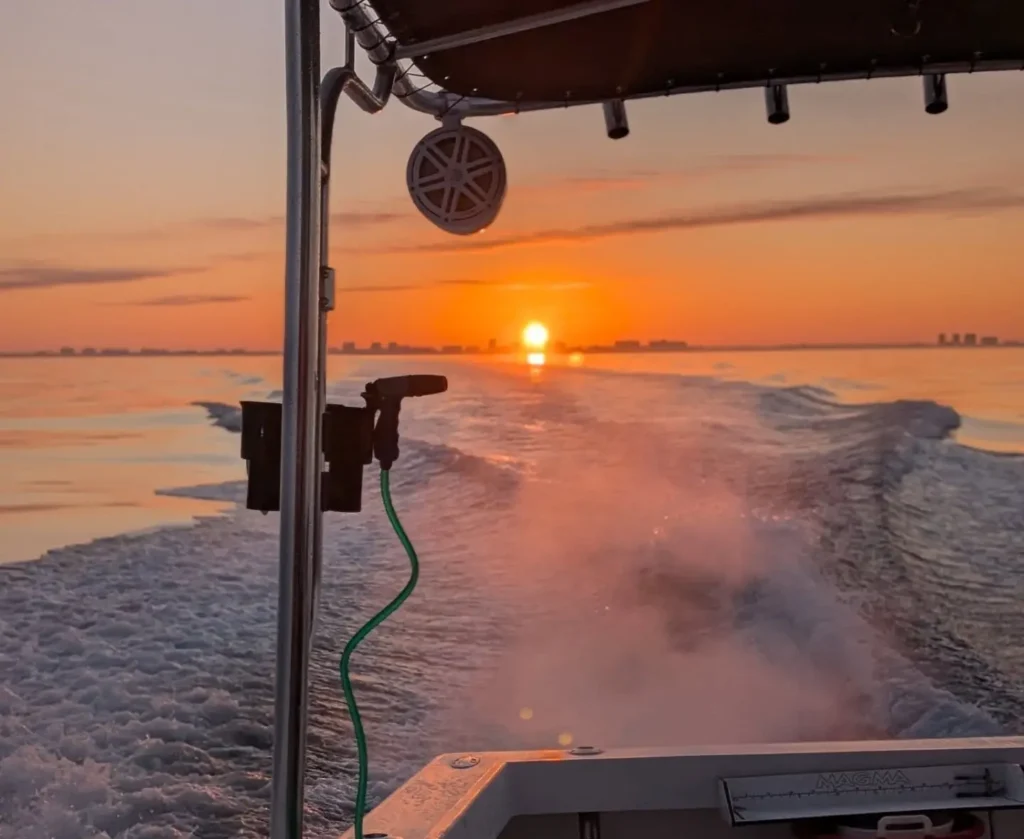
On the Gulf Coast, “offshore” usually means committing to a run. In many areas, you’re traveling well past nearshore waters before you reach consistent ledges, hard bottom, or reef structure that holds fish reliably. That distance shapes everything — trip length, fuel use, species availability, and even how forgiving a day can be when conditions change.
Most productive offshore trips here focus on:
Bottom structure rather than surface activity
Depth control over speed
Timing windows over constant action
You can have calm seas and still struggle if you’re fishing the wrong water. You can also grind out a solid trip on an otherwise quiet day if you’re willing to work structure properly.
Distance Is the First Offshore Decision
The biggest mistake anglers make on the Gulf is underestimating how much distance to depth matters. Shorter trips can work in the right conditions, but many Gulf Coast ports require longer runs to reach water that consistently produces offshore fish.
That’s why trip length often matters more than advertised species. A half-day offshore trip may limit range. A full-day trip gives flexibility when fish don’t cooperate right away. Offshore fishing here rewards anglers who build time into the plan rather than hoping everything lines up quickly.
Bottom Fishing Drives Most Offshore Success
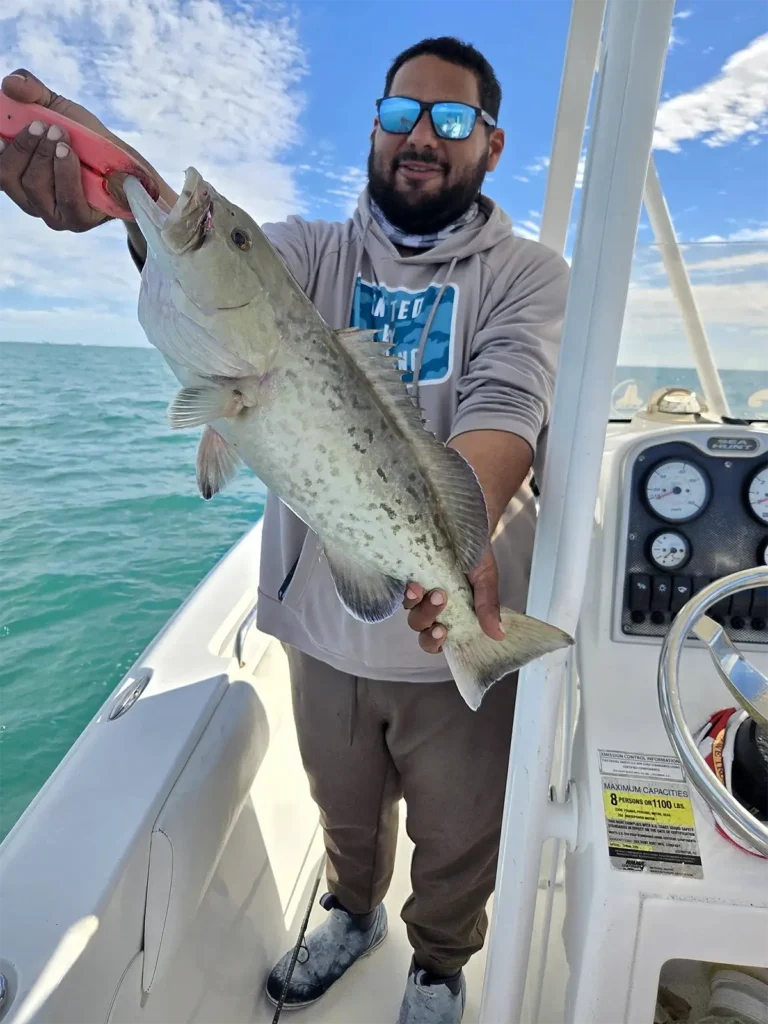
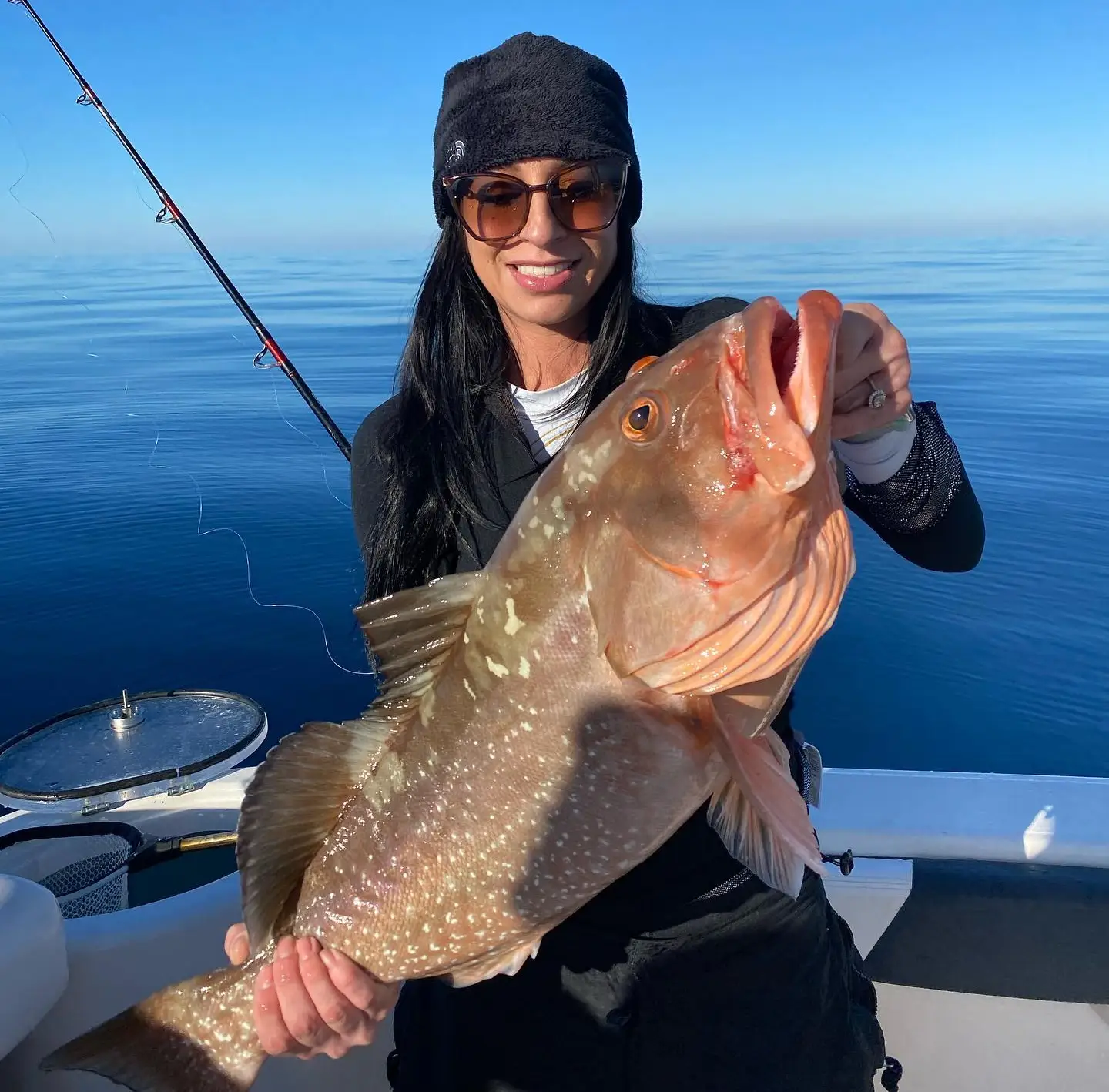
While pelagic species do move through the Gulf seasonally, much of the Gulf Coast’s offshore productivity comes from bottom fishing. Ledges, hard bottom, and artificial reefs hold fish year-round when seasons allow. Success comes from understanding where structure sits relative to depth, current, and water clarity.
This is not run-and-gun fishing. It’s controlled drifts, resets, and working areas thoroughly. Good captains spend more time fishing productive water than covering miles.
Seasonal Reality Offshore
The Gulf fishes year-round, but expectations should change with the calendar:
Winter: Fewer offshore days due to weather. When conditions allow, bottom fishing dominates.
Spring: Increasing consistency as water temperatures rise and weather stabilizes.
Summer: The widest variety of offshore opportunities, balanced against afternoon storms and heat.
Fall: Transitional fishing with good windows mixed with unpredictable conditions.
Regulations also shape what’s possible offshore. Open seasons and closures matter as much as conditions.
Offshore Isn’t Always the Right Choice
Offshore fishing isn’t automatically better than inshore fishing. Offshore trips cost more, depend more on weather, and require more time. When conditions don’t line up, inshore or nearshore trips can often provide a better experience.
That said, offshore trips offer:
Access to larger fish
Less crowded water
A different pace of fishing
The key is choosing offshore when conditions and goals align — not because it sounds better on paper.
Where Anglers Commonly Run Offshore Along the Gulf Coast
Offshore fishing along the Gulf Coast launches from many ports, each with its own realities and run distances. Common starting points include areas near Clearwater, St. Petersburg, Treasure Island, Palmetto, and Punta Gorda. Each location offers access to offshore water, but run distance, trip length, and seasonal patterns vary widely depending on where you start.
Those differences matter more than most people realize when choosing where to book.
Booking Offshore the Smart Way
Good offshore trips start with realistic planning. Experience matters. So does flexibility. The best offshore captains adjust plans based on weather, current, and conditions rather than forcing a specific target.
If you’re planning an offshore trip on the Gulf Coast:
Choose trip length before choosing species
Leave room for weather adjustments
Expect offshore fishing to be deliberate, not rushed
Offshore fishing here rewards preparation more than luck.
Fishing With Local Offshore Captains
Offshore fishing on Florida’s Gulf Coast is shaped by local knowledge as much as conditions. Captains operating out of areas like Clearwater, St. Petersburg, Treasure Island, Palmetto, and Venice, FL fish these waters year-round and understand how run distance, weather windows, and seasonal patterns actually play out from each port. Choosing experienced local captains helps support working fleets and increases the likelihood of a well-planned offshore trip built around real conditions, not generic expectations.