
Baja California Sur Fishing Charters
Baja California Sur fishing charters run immediate access to inshore reef, surf-driven structure, productive banks, and deep offshore current lanes shaped by the Pacific and Sea of Cortez.
TrustedFish connects anglers with proven local captains in Baja California Sur —no commissions, no pay-to-play listings, no BS. Every charter on our platform is invite-only, vetted for skill, local knowledge, and reputation. If they’re listed, they’ve earned it.
Top Rated Charters in Baja California Sur
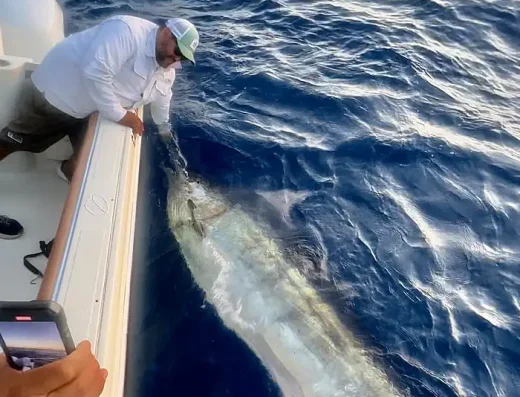
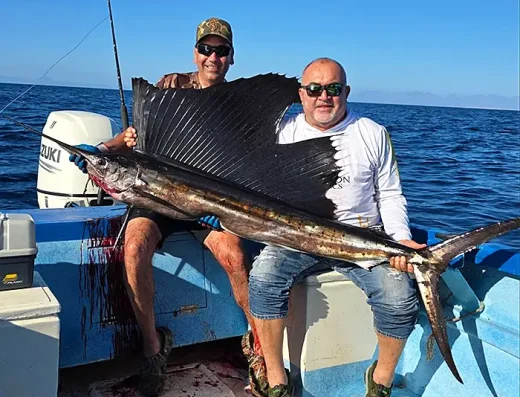
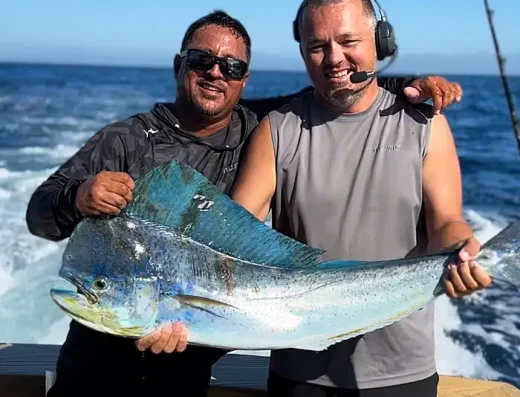
Baja California Sur Fishing Guide
Baja California Sur is built for fishing because two major systems collide around it: the Pacific upwellings on the west coast and the deep, warm-water corridors of the Sea of Cortez to the east. Charters decide which side to run based on current, swell, water temp, and wind. Those four variables determine everything: where bait holds, how pelagics track, and which inshore zones become active.
On the Pacific side (Magdalena Bay, Todos Santos, San Lázaro Bank), colder water and upwellings create steady bottom life. Groundfish and mid-water predators are consistent, and tuna, wahoo, and marlin stack along temperature breaks where warm pushes collide with cold zones. These shifts are fast—water color can change by the mile—so guides read temp, bait marks, and surface life constantly. When the cold push stretches wide, pelagics sit outside the first band of green water. When warm water compresses closer to shore, wahoo and tuna will slide surprisingly tight to points and banks.
Inside the Sea of Cortez (La Paz, Los Barriles, Cabo Pulmo, East Cape, Loreto), everything runs on warm-water stability and bait volume. Sardina, caballito, and mackerel hold in tight clusters along beaches, points, and shallow reefs. Yellowtail, dorado, striped marlin, roosterfish, snapper, and amberjack use these bait lines as highways. When sardina schools get thick along the beach, roosterfish follow at full length of the coast. When the bait drops deeper or scatters due to wind, roosters slide off and fish become harder to track.
Yellowtail fishery depends on thermocline height. If the thermocline rises into the top 100 feet, yellowtail feed aggressively along reef edges and high spots. If it drops, they lock deeper and only respond to heavier jigs or slow-trolled baits. Dorado are opportunistic, following debris, temperature breaks, and sargassum patches, especially after storms. Striped marlin feed along current seams and temp lines; when bait balls form tight near the surface, raising marlin becomes consistent, and guides switch between trolling spreads and pitch-baits as soon as fish appear.
Bottom life is reliable year-round. Cabrilla, pargo, and grouper hold tight to reef, rocky pinnacles, and steep ledges. Surge strength decides how they feed. Heavy surge pushes fish into pockets and slows feeding; moderate surge pins bait and triggers strong strikes. Guides position drifts to keep baits or jigs in the productive depth band without dragging too fast.
Wind is the only consistent challenge. Northerlies (El Norte) create chop and push warm water offshore, reducing visibility and spreading bait out. South winds bring warm, clean water back along the coast, improving pelagic and inshore action. Charter captains plan around these cycles, running offshore early, then shifting to protected inshore zones when wind pressure builds.
For anglers, the appeal of Baja California Sur is versatility. You can run offshore for marlin, tuna, or dorado; hit high spots for yellowtail or amberjack; work beaches for roosterfish; or drop onto reef for snapper and grouper—all without long runs. The combination of Pacific and Cortez systems gives charters multiple fallback options, making Baja one of the most consistent fisheries in North America.
Popular Fishing Areas
Gordo Banks (San José del Cabo)
Deep, productive high spots that hold yellowfin tuna, wahoo, marlin, dorado, and bottom life. When current pushes warm water over the banks, pelagics rise and feed on sardina and caballito. On slower current, tuna sit deep and require jigs or weighted baits. Wahoo work edges early, especially on temperature breaks. Guides monitor sonar constantly—bait concentration and mid-column marks determine whether to troll, jig, or drift live baits.
East Cape Inshore (Los Barriles to Punta Arena)
Prime roosterfish, jack, snapper, and dorado water. Roosters track bait along beaches and rocky points; snapper and cabrilla sit tight to reef edges. Light swell and steady current make fish push shallow. When wind or turbidity increases, the bite shifts deeper along contour edges. Guides run slow passes parallel to shoreline structure, placing baits in natural travel lanes.
Magdalena Bay Offshore Line
A high-volume pelagic corridor during tuna and marlin season. Cold Pacific upwellings push bait to the surface, and warm tongues of water trap them along color breaks. Tuna stack under dolphin and bird pressure; striped marlin work bait balls aggressively. Live-baiting and trolling spreads both work, depending on bait density and current speed.
La Paz Bay & Isla Espíritu Santo
Protected waters holding dorado, snapper, amberjack, and seasonal pelagics. Bait gathers along island edges where current rolls off points. In summer, dorado push tight to debris; in spring and fall, yellowtail hold deeper. Guides use mixed tactics—trolling, slow-pitch jigging, or live-bait drifting depending on water temperature and clarity.
Cabo Pulmo Reef
A living reef system with strong bottom life: pargo, cabrilla, grouper, and amberjack. Surge and clarity dictate feeding windows. Moderate swell makes the zone productive; heavy swell pushes fish deeper. Vertical jigs and live baits dropped tight to structure are standard.
Extended Target Zones
Punta Gorda
San Lázaro Bank
Loreto High Spots
Todos Santos Coastal Line
Fishing Seasons in Baja California Sur
Spring
Warming water improves yellowtail action and brings the first dorado and marlin into range. Sardina schools increase along beaches, improving roosterfish activity. Offshore, striped marlin feed along temp lines. Snapper become more active on reef edges. Stable weather patterns give charters flexibility to mix inshore and offshore in the same session.
Summer
Peak dorado, tuna, marlin, and wahoo season. Warm, blue water pushes close to shore. Tuna sit under dolphin and bird life; dorado stack under debris; marlin respond well to trolling spreads and pitch baits. Roosterfish fishing is strongest early and late when bait concentrations are tight along beaches. Guides start offshore early, then shift inshore when afternoon wind builds.A
Fall
Reliable multi-species action. Tuna remain strong, dorado peak after storm cycles, and wahoo fire along structure. Snapper and grouper feed well as water cools slightly. Roosterfish continue along rocky points on calm mornings. Guides often run short offshore sessions followed by reef or inshore fishing based on current and wind.
Winter
Yellowtail dominate high spots and reefs in the Sea of Cortez. Fish hold deep when the thermocline drops and respond best to heavy jigs. Snapper and grouper stay tight to structure. Pacific-side swell and wind can limit offshore access, but inshore structure remains steady. Occasionally, winter tuna show offshore when warm currents push north. Guides focus on jigging and bottom structure with selective pelagic opportunities.
Top Gamefish in Baja California Sur
- Yellowfin Tuna – 10–200+ lbs Hold under dolphins and deep marks; strongest summer–fall; taken on jigs, live baits, and poppers.
- Dorado –5–40 lbs Track debris, weedlines, and warm edges; peak summer–fall; hit trolled or pitch baits.
- Striped Marlin – 80–200 lbs Thick during spring–fall; raised on teasers; taken on pitch baits.
- Blue/Black Marlin – 150–500+ lbs Found along temperature lanes and deeper banks; strongest summer–fall.
- Wahoo – 10–60 lbs Hold on contour edges and current seams; hit high-speed trolled lures.
- Yellowtail – 10–40 lbs Hold on reefs and high spots; best winter–spring; hit jigs and live baits.
- Roosterfish – 10–60 lbs Patrol beaches and rocky shorelines; strongest spring–summer; targeted with live baits.
- Snapper (Pargo/Cabrilla) – 2–30+ lbs Tight to reef; taken on live baits and jigs.
- Grouper / Amberjack – 10–70+ lbs Hold on deep structure; respond to jigs and vertical presentations.
Baja California Sur Fishing FAQs
Best time for Baja California Sur fishing charters?
Summer–fall offshore, winter–spring for yellowtail and reef species.
Are offshore runs long?
No. Productive banks and temperature breaks set up close.
Are storms good for fishing?
Offshore debris increases dorado, but wind dictates when boats can run.
Do charters provide gear?
Yes—rods, jigs, baits, and trolling tackle are standard.
Is inshore reliable?
Very. Roosters, snapper, and bottom species bite year-round with shifting patterns.
Do charters clean fish?
Typically yes, with filleting at the dock.