
Nong Khwai Fishing Charters
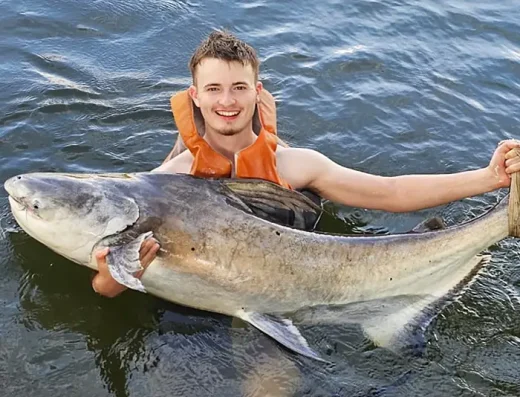
Nong Khwai fishing charters target stocked lakes, managed ponds, and warm-water reservoirs holding giant Mekong catfish, barramundi, pacu, redtail catfish, and exotic Asian species.
TrustedFish connects anglers with proven local captains in Nong Khwai —no commissions, no pay-to-play listings, no BS. Every charter on our platform is invite-only, vetted for skill, local knowledge, and reputation. If they’re listed, they’ve earned it.
Top Rated Charters in Nong Khwai
Nong Khwai Fishing Guide
Nong Khwai sits just southwest of Chiang Mai and is surrounded by a series of managed fishing parks, private waters, and warm-water ponds designed specifically for heavy-pull freshwater species. This is not a river-run fishery; it’s a technical still-water system where bite windows depend on water temperature, stocking cycles, dissolved oxygen, and how each species responds to heat, shade, and bait scent spread.
Mekong catfish dominate the big-fish program. These fish follow predictable lanes inside the ponds: they sit deep during midday heat, rise into mid-column when wind pushes oxygenated surface water across the lake, and feed hardest when bait scent collects along the down-wind bank. Guides position anglers at angles where bottom rigs stay tight, and they monitor spool drag constantly because Mekong runs are long, fast, and unforgiving. Bite windows intensify when cloud cover lowers surface temperature or when pumps increase water movement.
Barramundi respond differently. They hunt shallow edges, drop-offs, and aerator zones. Their feeding is tied to light angle. Early morning and late afternoon produce the most aggressive strikes. Midday barra slide deeper unless wind creates turbidity. Guides use lures—poppers, paddle tails, shallow cranks—because barramundi hit moving presentations with sharp reaction strikes. When heat increases, switching to suspended baits near aerators keeps fish active.
Exotic species like Amazon redtail catfish, pacu, arapaima, and alligator gar follow scent trails and temperature pockets. Redtails hold in deeper troughs and feed on bottom baits during warm periods. Pacu roam mid-depths and prefer natural fruit-style baits or pellets. Arapaima track slow-moving bait near structure and inhale baits on low-pressure days. Guides manage these ponds by reading oxygen levels and fish behavior throughout the day, shifting to rigs or lures that match activity level.
Because Nong Khwai is warm year-round, temperature swings matter more than seasons. Stable warm water improves activity; sudden cooling from rain compresses fish and slows feeding until water stabilizes again. Wind direction dictates where scent gathers, and guides station anglers accordingly. Cloud cover, pump cycles, and foot traffic all influence fish movement in small water bodies.
The advantage of Nong Khwai fishing charters is consistency and variety. anglers can target multiple trophy-class freshwater species without long runs or weather dependency. Controlled environments produce reliable action and allow captains to adjust quickly between heavy rigs for Mekong, lures for barramundi, or mixed-bait setups for Amazon species.
Popular Fishing Areas
Bung Nong Kwai Lake
A managed lake focused on heavy Mekong and Amazon species. Deep troughs run along the center where Mekong catfish hold during midday heat. Early morning and late afternoon bring them into mid-depths near pump outflow. Redtail catfish sit tight on the bottom near structure. Guides use heavy bottom rigs cast toward the down-wind bank where scent pools. Pellets, bread, and protein mixes work best. Bite windows depend on oxygen levels and wind-driven water movement.
Local Barramundi Parks
A series of smaller barramundi-specific ponds offering consistent reaction-strike fishing. Barra patrol shallow flats early morning, then shift to shade pockets or aerator zones as heat increases. Guides throw soft plastics, poppers, and shallow divers on light-to-medium setups to trigger strikes. When water clears, presentations must be natural; when turbidity increases, brighter colors work better.
Exotic Mixed-Species Lakes
Private fishing facilities stocked with pacu, redtails, arapaima, alligator gar, and other tropical species. Deeper bowls hold the biggest predators. Arapaima prefer slower baits near structure; redtails sit tight to bottom; pacu roam mid-column in small packs. Guides rotate rigs based on species activity, adjusting scent strength to match heat and wind direction.
Aerator Lines & Pump Outflow Zones
Oxygen-rich water attracts barramundi and Mekong catfish during midday heat. Guides fish suspended rigs or mid-column lures near aerators. Heavy bait scent is effective downwind of pumps. These zones also hold predatory species when pressure rises on main lake edges.
Down-Wind Edges
Regardless of pond size, the down-wind bank usually forms the strongest scent concentration and bait drift. Mekong catfish stack here when pellets and bread spread along the surface. Redtails position on the lower slope. Guides cast heavy rigs far enough to intersect the scent lane while maintaining ready drag settings.
Extended Target Zones
Small Stocked Ponds
Perfect for beginners or anglers wanting steady action. These ponds hold smaller barramundi, pacu, and tilapia. Fish feed aggressively during early morning and late afternoon. Guides use lighter tackle and work shallow edges where fish collect under shade.
Resort-Based Lakes
Some nearby resorts maintain private fishing lakes with mixed species. Activity depends on feeding cycles and pump schedules. Best fished during cooler hours when fish rise into mid-column. Guides focus on suspended rigs and slow presentations.
Coconut-Shaded Back Ponds
Shaded water stays cooler through midday, attracting barramundi and pacu. Guides cast toward shaded pockets or submerged structure where predators station.
Aerated Holding Ponds
These small lakes stay oxygen-rich and hold active fish even during hot spells. Good for consistent bites. Guides employ light rigs and natural baits.
Fishing Seasons in Nong Khwai
Spring
Temperatures rise and fish activity increases. Mekong catfish feed harder as water warms. Barramundi hunt shallow edges early, then push deeper as sun intensity grows. Redtails become more active on bottom baits. Guides shift between lures and bait rigs throughout the day depending on sunlight and surface heat.
Summer
Hot season drives fish deeper midday. Mekong and redtails stay low, feeding best when pumps increase oxygenation. Mornings and evenings are prime for barramundi. Rain showers drop surface temperature and momentarily ignite feeding. Guides fish the shady side of ponds, aerator zones, and deeper bowls with heavier rigs.
Fall
Rain tapering and water stabilization improve clarity. Mekong catfish feed aggressively before cooler months. Pacu and redtails roam wider as oxygen levels rise. Barramundi strike well during moderate cloud cover. Guides use mixed-rig setups to adapt to constantly changing cloud, rain, and temperature patterns.
Winter
Cooler, stable temperatures create consistent feeding windows. Mekong catfish stay active throughout the day, moving between deep troughs and mid-column based on wind direction. Barramundi respond strongly to cooler water, hitting lures aggressively during morning and late afternoon. Exotic species, especially pacu and redtails, feed reliably on bottom baits. Guides prioritize natural presentations and maintain bait scent in high-activity lanes.
Top Gamefish in Nong Khwai
- Mekong Catfish – 40–200+ lbs Hold deep in midday heat; strongest early and late; taken on heavy bottom rigs with pellet and bread mixes.
- Barramundi – 3–25 lbs Patrol shallow edges early; drop deeper in heat; hit lures and live bait aggressively.
- Amazon Redtail Catfish – 10–60+ lbs Sit tight to bottom troughs; strongest during warm conditions; taken on cut bait and protein mixes.
- Pacu – 2–20 lbs Roam mid-depths; strongest during warm stable water; taken on fruit baits, pellets, and natural scent lines.
- Arapaima – 40–200+ lbs Hold near structure; feed during low-pressure cycles; taken on large baits fished slow.
Nong Khwai Fishing FAQs
Best time for Nong Khwai fishing charters?
Early morning and late afternoon year-round, with stronger windows during cooler months.
Are these natural lakes?
Mostly stocked and managed fisheries optimized for heavy freshwater species.
Do charters provide gear?
Yes. Heavy rods, rigs, bait, and lure setups are always supplied.
Is it beginner-friendly?
Yes. Controlled ponds make for predictable action and safe setups
Do charters clean fish?
Catch-and-release only for most species; no cleaning needed.
Is live bait required?
Depends on the species; barramundi favor lures, while Mekong and redtails require heavy bait rigs.