
Port Canaveral Fishing Charters
Port Canaveral fishing charters work the Atlantic’s nearshore reefs, offshore ledges, and inshore lagoons for red snapper, king mackerel, sailfish, and seasonal cobia runs.
Top Rated Charters in Port Canaveral

TrustedFish connects anglers with proven local captains in Port Canaveral, Florida —no commissions, no pay-to-play listings, no BS. Every charter on our platform is invite-only, vetted for skill, local knowledge, and reputation. If they’re listed, they’ve earned it.
Port Canaveral, FL Fishing Guide
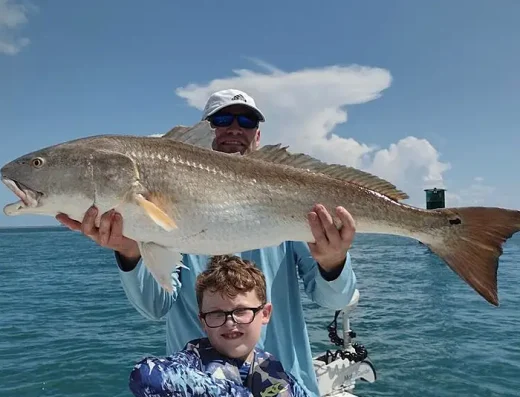
Port Canaveral sits on Florida’s Space Coast, giving boats direct access to deep water just a few miles from the jetties. Most trips start at the public boat ramps or the main charter docks along Glen Cheek Drive, with a short run through the port’s channel before hitting the open ocean. Offshore charters often target ledges and wrecks in seventy to two hundred feet for grouper, amberjack, and snapper, with trolling spreads set for mahi, wahoo, and sailfish when currents and temperatures are right. Inshore options focus on the Indian River Lagoon and Banana River, where redfish, spotted seatrout, and black drum hold around mangrove edges, flats, and spoil islands.
Charters here range from half-day nearshore trips to full-day bluewater runs, plus specialty night trips for shark fishing. Nearshore boats often run five to ten miles to hit kingfish and cobia schools around bait pods, while offshore runs may push thirty or more miles to reach pelagic grounds and deeper reefs. Winter brings good sheepshead and tripletail action near structure, while summer’s calm seas open up prime mahi and sailfish opportunities. Techniques vary by season—trolling for pelagics, bottom fishing with cut bait for reef species, jigging around wrecks, or sight-casting to cobia on rays.
The port is a working harbor, so conditions can change quickly with shipping traffic, rocket launches, or weather shifts. Many captains keep a mix of inshore and offshore options ready so trips can be adjusted on the fly. Nearby, Cocoa Beach surf fishing and the Sebastian Inlet area offer more shore-based opportunities if winds push boats in. With deep water close to shore and a mix of fisheries, Port Canaveral supports a steady year-round bite for both local anglers and visiting crews.
Fishing Seasons in Port Canaveral
Spring (March–May)
March through May sees warming water push bait schools north, bringing kingfish, cobia, and mahi close to shore. Bottom fishing over reefs produces red snapper when in season, along with triggerfish and amberjack. Cobia sight-fishing off manta rays is a seasonal highlight, with many trips running the beach and keeping eyes peeled from the tower. Inshore, trout and redfish feed actively on the flats, with topwater plugs drawing strikes early and late in the day. Calm mornings often allow shorter runs offshore for mixed trolling and bottom fishing.
Summer (June–August)
June through August is peak bluewater season, with mahi, sailfish, and wahoo hitting trolled baits along weedlines in one hundred twenty to two hundred feet. King mackerel are thick on nearshore reefs, and tarpon roll along the beaches following pogie pods. Calm seas make long offshore runs more comfortable, and many charters mix trolling with deep dropping for tilefish and grouper. Inshore fishing slows mid-day due to heat, so early starts or evening trips are best for trout, snook, and redfish. Afternoon storms are common, so captains plan around them.
Fall (September–November)
September through November brings the mullet run, a massive bait migration that fires up both inshore and offshore action. Tarpon, jack crevalle, and sharks smash bait along the beaches, while offshore, wahoo and sailfish become more active. Kingfish return in numbers to nearshore reefs, and bottom fishing for snapper and grouper remains steady. Inshore anglers see cooler water improve redfish and trout action, with soft plastics and live mullet producing well. Winds can pick up, but protected lagoon waters stay fishable.
Winter (December–February)
December through February cools things down, shifting focus to sheepshead, black drum, and tripletail around jetties, pilings, and nearshore buoys. Offshore runs still produce snapper and grouper when seas allow, and wahoo fishing can be excellent on temperature breaks. Inshore, the clear water makes sight-fishing for redfish possible on sunny days, especially over sandy potholes and grass flats. Many captains run shorter nearshore trips this time of year, targeting whatever species are holding on structure within ten miles.
Gamefish in Port Canaveral
- Red Snapper – five to twenty pounds. Found on offshore reefs and wrecks in summer; caught with cut bait or live pinfish on bottom rigs.
- King Mackerel – ten to forty pounds. Common on nearshore reefs spring through fall; taken by slow-trolling live bait.
- Mahi Mahi – five to thirty pounds. Caught offshore in summer along weedlines; trolled ballyhoo or lures work best.
- Sailfish – forty to eighty pounds. Found offshore in summer and fall; caught trolling naked ballyhoo in clean blue water.
- Cobia – twenty to fifty pounds. Sight-fished along the beach in spring; live eels or jigs get strikes.
- Amberjack – twenty to sixty pounds. Found on deep wrecks; jigged or caught with live bait.
- Tarpon – fifty to one hundred fifty pounds. Roll along beaches in summer; targeted with live pogies or mullet.
- Black Drum – five to thirty pounds. Winter fish around structure; caught with shrimp or crabs
Port Canaveral Fishing FAQs
Where do most Port Canaveral fishing trips start?
Most charters depart from the docks on Glen Cheek Drive, with public boat ramps available in the same area for private boats.
How long are typical trips?
Half-day trips are common for nearshore fishing, while full-day charters are standard for offshore runs targeting pelagics and deep reef species.
What gear is provided by Port Canaveral charters?
Most captains supply all rods, reels, bait, tackle, and required safety equipment. Some also provide fishing licenses for guests.
Do I need a fishing license?
When fishing with a licensed charter, you’re covered under the captain’s permit. Private boat anglers must have a valid Florida saltwater license.
What’s the best time to fish Port Canaveral?
Summer offers prime bluewater action, spring is excellent for cobia and kingfish, and fall brings the mullet run. Winter provides steady inshore action.
What techniques are most common?
Trolling for pelagics, bottom fishing over reefs, sight-casting for cobia, and jigging around wrecks are all popular methods here.
How many anglers can a boat take?
Most offshore charters carry four to six anglers, though larger party boats can take more. Inshore flats skiffs usually hold two or three guests.
Are there night fishing trips?
Yes, some captains offer night shark fishing or inshore trips for species like snook and tarpon.
What other fishing is nearby if offshore weather is rough?
The Indian River Lagoon, Banana River, and Cocoa Beach surf provide good inshore and shore-based alternatives.