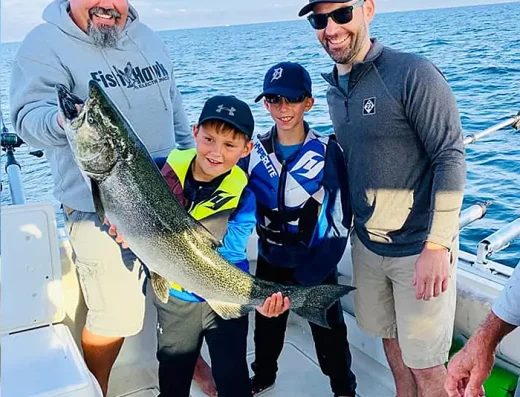
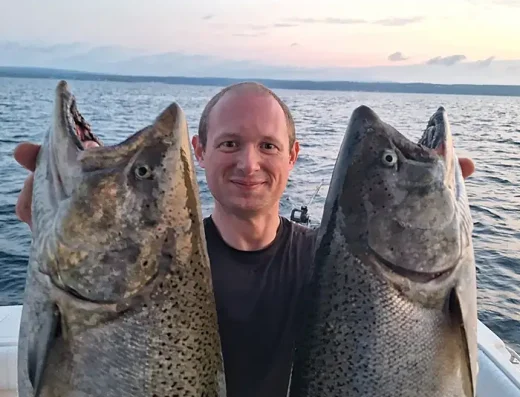
Michigan fishing charters cover it all—from Great Lakes trolling runs to smallmouth beatdowns on inland rivers and deep woods lakes.
TrustedFish connects anglers with proven local captains in Michigan —no commissions, no pay-to-play listings, no BS. Every charter on our platform is invite-only, vetted for skill, local knowledge, and reputation. If they’re listed, they’ve earned it.
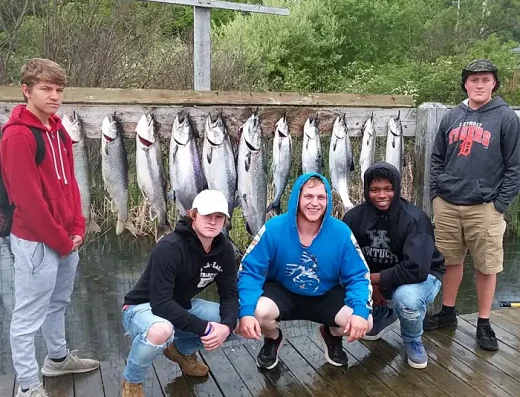
Michigan’s a full-package deal for anglers. You’ve got two Great Lakes on the edges, more inland lakes than you can count, and rivers that stay cold enough to hold trout all year. On the big water, salmon and lake trout rule. Lake Michigan charters out of places like Ludington, Grand Haven, and Traverse City troll deep with downriggers and divers. Full-day trips run west into 100+ feet, chasing marks and temp breaks. Flashers, cut plugs, and spoons get the most hits.
Lake Huron’s east coast offers similar setups, especially out of Alpena and Rogers City, but the crowd’s thinner. You’ll also find steelhead and browns closer to shore in spring and fall, when river mouths start holding bait. Inland, Michigan’s glacial lakes hold solid populations of bass, walleye, and panfish. Guides around Houghton Lake, Torch Lake, and Higgins Lake run half-day trips on pontoons or bass boats, usually rigged with spinning setups and live bait.
Rivers like the Au Sable, Pere Marquette, and Manistee are fly fishing territory. Drift boats and wade guides work these stretches for browns, rainbows, and seasonal runs of steelhead and salmon. Late September through November, you’ll see a mix of spey rods and chuck-and-duck gear slinging egg patterns and spawn sacks.
Boat launches are everywhere, but the best ones near the Great Lakes get busy quick. Charter captains typically meet clients at city marinas with big slips and deep draft access. You don’t need to bring much—just layers, your license, and a cooler for the haul.
Regional Fishing Highlights
West Michigan (Lake Michigan Coast)
This stretch is ground zero for offsPorts like Muskegon, Holland, and Manistee crank out salmon charters from spring to fall. Kings show up early in 60–100 ft, then move deeper in summer. Coho, lake trout, and steelhead fill the gaps. Full-day charters troll with wire dipsies, downriggers, and meat rigs. Morning runs start early to beat the sun and weekend boat traffic.hore fishing in Alabama. Boats run out to artificial reefs, oil rigs, and shelf edges. Red snapper’s the big draw during season, but there’s solid action year-round with amberjack, king mackerel, and cobia. Nearshore trips target Spanish mackerel and bonito trolling just outside Perdido Pass. Inshore charters stick to Oyster Bay and the ICW, where you’ll find redfish, trout, and the occasional tripletail around markers and crab trap buoys.
Northern Inland Lakes
Up north around Charlevoix and Petoskey, inland lakes stay clear and cold. Torch Lake has huge lake trout, while Walloon and Elk Lake are solid for smallmouth and perch. Most guides fish with light tackle and finesse gear—drop shot rigs, slip bobbers, and jigs tipped with leeches or plastics. Quiet water and tight structure make for a technical bite.
Eastern Michigan (Lake Huron & Saginaw Bay)
Saginaw Bay walleye get all the love here. Trolling crawler harnesses in 12–18 feet over weed lines is the go-to. Jigging bite picks up near the rivers. Farther north, Lake Huron charters target salmon and steelhead offshore, while nearshore structure holds browns. Boat traffic’s lighter, and weather can shift fast, so local knowledge matters.
River Systems (Trout & Steelhead)
Rivers like the Muskegon and Pere Marquette are a different world. Spring steelhead hit the gravel beds in March and April, and fall salmon show up strong by late September. Most guides float with drift boats, running plugs or swinging streamers. It’s hands-on fishing, no trolling motors or electronics—just reading seams and knowing your water.
Fishing Seasons in Michigan
Spring
Steelhead are the main draw early on. Rivers heat up by March, and fresh fish run hard until mid-April. Lake Michigan starts giving up coho nearshore, and brown trout feed tight to structure. Inland lakes thaw out mid to late spring, with crappie and walleye getting active around opener.
Summer
Salmon bite deep offshore on the Great Lakes, especially Lake Michigan’s west side. You’ll be trolling 100+ feet most days. Inland, smallmouth and walleye stay active early and late. Trout hold deep in cold lakes and rivers, and dry fly fishing peaks on the Au Sable.
Fall
Big kings and coho jam up the rivers from late September into October. Egg patterns and plugs work best in deeper runs. Inland lakes stay hot for smallmouth and muskie through October. Steelhead start to move into rivers by early November if temps drop fast enough.
Winter
Hardwater season kicks off by late December up north. Higgins and Houghton Lakes get solid perch, bluegill, and pike action through the ice. Walleye bite low light. River steelhead stay active under the ice, especially in tailouts and slow pools, using beads and spawn under floats.
Most Popular Gamefish in Michigan
Chinook Salmon – 10–30 lbs. Trolled on Great Lakes from late spring to early fall using flashers and meat rigs deep.
Lake Trout – 5–25 lbs. Found in deeper basins of the Great Lakes and some inland lakes, hit on spoons near bottom.
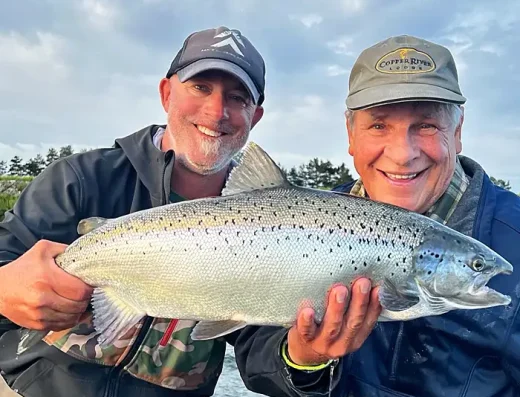
Steelhead – 4–12 lbs. River-run in spring and fall; caught on beads, spawn, or swung flies
Smallmouth Bass – 2–6 lbs. Hold on rocky points and drop-offs in inland lakes and rivers; hit soft plastics and jerkbaits
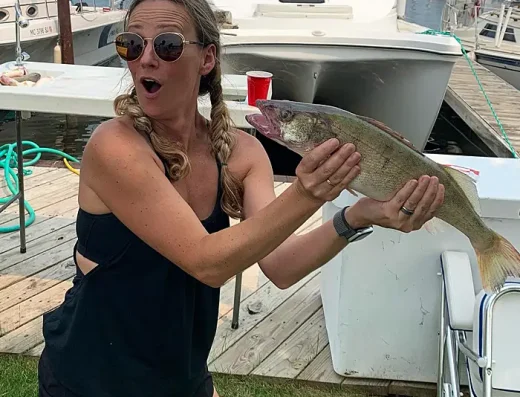
Walleye – 1–8 lbs. Trolled or jigged in Saginaw Bay and inland lakes, especially at dawn and dusk.
Muskie – 30–50+ inches. Found in select northern lakes; large swimbaits and trolling work best.
Pike – 5–15 lbs. Ambush predators in weed beds and shallow bays; hit spinnerbaits and dead bait.
Brown Trout – 2–10 lbs. Targeted near river mouths or in coldwater streams with stickbaits and flies.
Crappie – 0.5–2 lbs. Found in warm shallows during spring and over brush piles in summer; minnows and jigs are standard.
Michigan Fishing FAQs
Do I need a fishing license to fish in Michigan?
Yes, anyone 17 or older needs a valid Michigan fishing license for both freshwater and Great Lakes waters.
What’s the best time of year for salmon fishing in Michigan?
Late summer through early fall is peak for king salmon on the Great Lakes and during their river runs.
Where can I fish for walleye near Detroit?
Lake Erie and the Detroit River both produce good numbers, especially in spring when fish move upriver to spawn.
Are there fishing charters on Michigan’s inland lakes?
Yes, plenty of guides run trips on places like Houghton Lake, Burt Lake, and Mullett Lake targeting bass, walleye, and panfish.
Can I keep the fish I catch on a Michigan charter?
Most of the time, yes—within legal limits. Captains usually clean your catch for you.
What gear should I bring for a Michigan river fishing trip?
Waders, layered clothing, a 7–9 weight rod if fly fishing, or a light spinning setup for drift fishing steelhead or trout.
Are Great Lakes charters safe for kids?
Yes, many are family-friendly. Just check with the captain ahead of time—some may limit trips based on age or weather.
How far offshore do charters go on Lake Michigan?
Depends on the bite, but 5 to 15 miles is typical. Some go 20+ when chasing deep summer salmon.
What baits work best for ice fishing in Michigan?
Waxworms, minnows, and jigging spoons are common. Tip-ups with shiners work well for pike.