
Niagara Falls Fishing Charters
Niagara Falls fishing charters put you on giant trout, salmon, walleye, smallmouth, and lake trout in one of the most powerful and productive freshwater systems on earth.
TrustedFish connects anglers with proven local captains in Niagara Falls —no commissions, no pay-to-play listings, no BS. Every charter on our platform is invite-only, vetted for skill, local knowledge, and reputation. If they’re listed, they’ve earned it.
Top Rated Charters in Niagara Falls
Niagara Falls Fishing Guide
Fishing the Niagara River is unlike anything else in North America. The river is fast, deep, cold, and constantly changing. Every drift, every seam, every color shift matters. The fish here are big, energetic, and built for current. Steelhead, lake trout, brown trout, and salmon push into the system from Lake Ontario, using the river’s structure, ledges, and pockets as staging zones. Walleye and smallmouth thrive in the upper system, and winter steelhead fishing in the gorge is legendary.
This is not a casual do-it-yourself fishery. You can be ten feet off the correct line and fish dead water all day. The depth changes by yards, the current speed changes by the minute, and clarity changes with upstream flow adjustments. Niagara Falls fishing guides work this river daily. They know which lanes are hot that morning, what weight holds bottom without dragging, how clarity shifts after wind events, and where trout stack as the sun rises or flow pulses.
The advantage of a guided trip is simple. You get placed into high-percentage water immediately. Guides manage boat position against powerful current, match drift speed to the fish, and keep baits in the strike zone instead of blowing out of it. They handle safety, navigation, and gear that is designed specifically for this river.
If you want big fish, heavy fights, and a river that hits like a saltwater system, Niagara Falls delivers. Guides make the difference between a tough day and unforgettable action.
Popular Fishing Areas
Upper Niagara River
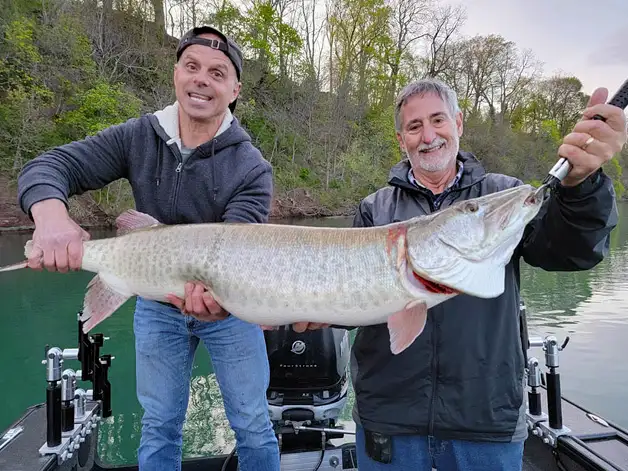
The Upper Niagara River offers steady multi-species action with more forgiving current than the gorge. Walleye hold along deeper edges, rock fields, and shoals where the current softens. Smallmouth bass stack hard on boulders and current seams during warm months and feed explosively when bait collects behind structure. Muskies roam deeper troughs, island chains, and grass edges. Water clarity shifts quickly here based on wind and inflow from Lake Erie. Guides run controlled drifts, cast crankbaits across seams, or jig rock transitions depending on season. The Upper River fishes best spring through fall and gives anglers a mix of size, numbers, and predictable patterns.
Lower Niagara Gorge Drifts
The Lower Gorge is the backbone of Niagara Falls fishing. Sheer cliffs, deep green water, and rolling current create narrow strike lanes that trout and salmon use like highways. Steelhead stack in pockets, slow-water edges, and deep trenches. Lake trout cruise the bottom layers, while browns slide into mid-column drifts. Everything depends on drift precision. Too light and you float above the fish. Too heavy and you drag. The best captains adjust constantly, using boat angle, speed control, and exact weight combinations to stay in the productive lane. When clarity is right, this section produces nonstop action with fish ranging from heavy trout to river-charging steelhead.
Devil’s Hole and Whirlpool Section
This is Niagara at its most intense. The currents twist, surge, and roll through Devil’s Hole and the Whirlpool, forming deep slots and chaotic surface turbulence. Trout and salmon use these pressure lines to hold in surprisingly organized pockets. Steady green water turns this stretch into a high-yield drift zone where every pass can produce a fish. When the water muds up, fish drop deeper and require heavier gear and slower presentations. Captains anchor or drift with extreme precision to stay safe and effective. This section produces some of the largest winter steelhead and lake trout of the year and demands true local knowledge.
Niagara Bar and Lake Ontario Mouth
The Niagara Bar is a giant underwater rise that creates one of the most consistent feeding zones on Lake Ontario. Cold river water hits the lake and forms temperature breaks, rips, current seams, and bait concentrations. Salmon, steelhead, brown trout, and lake trout move across this shelf daily, staging before running the river. Walleye and browns work the edges early and late. Guides troll spoons, flies, and meat rigs across these depth lines, adjusting to find the exact band where fish are holding. When a push of kings or steelhead hits the Bar, the action is explosive with multiple rods firing.
Extended Target Zones
Lake Ontario Offshore Lines
Farther offshore, temperature bands and bait clouds determine everything. Kings, cohos, steelhead, and lakers roam these deeper waters looking for structure, temperature stability, and schools of alewives. Offshore trolling requires constant adjustment of depth, speed, and spread width. On good days, charters run ten rods at several depths to blanket the zone. Guides track temperature, color changes, surface slicks, and bait marks to stay on moving fish. When the offshore bite is on, it produces some of the largest salmon of the season and offers a different pace from the intensity of the river.
Upper River Shoals and Island Chains
The shoals and island cuts above the falls create a completely different style of fishing. Current breaks behind islands pull in bait, and predators follow. Smallmouth bass crush baits around shallow rock piles. Walleye slide along deeper edges and grass lines. Muskies roam the troughs and hit large plugs with violent strikes. This area also responds heavily to wind direction, which shifts bait into predictable pockets. Guides work a mix of casting, jigging, and controlled drifting to match fish behavior. It is an excellent zone for anglers wanting a calmer but equally productive experience compared to the gorge.
Fishing Seasons in Niagara Falls
Spring
Spring is a power season. Steelhead wrap up their run and sit heavy in gorge pockets. Lake trout push along the Bar and river mouth. Smallmouth appear in large numbers across Upper River rock fields, feeding before they move shallow. Walleye action is steady along deeper edges. Flow rates shift daily with snowmelt and rain, which changes clarity and depth quickly. Guides adjust presentation weight, drift speed, and lure size to match conditions. Spring offers huge variety and steady action from multiple species in one trip.
Summer
Summer opens the door to fast smallmouth fishing, deep-water trout, and strong offshore salmon. The Upper River loads with smallmouth that hammer jigs and swimbaits. Lake Ontario kings and steelhead push offshore and stage along temperature breaks. Walleye feed early and late. Stable weather improves clarity, which makes fish more predictable and presentations more precise. Guides switch between river and lake depending on wind, clarity, and target species. Summer trips deliver numbers, steady action, and big-water excitement.Summer opens the door to fast smallmouth fishing, deep-water trout, and strong offshore salmon. The Upper River loads with smallmouth that hammer jigs and swimbaits. Lake Ontario kings and steelhead push offshore and stage along temperature breaks. Walleye feed early and late. Stable weather improves clarity, which makes fish more predictable and presentations more precise. Guides switch between river and lake depending on wind, clarity, and target species. Summer trips deliver numbers, steady action, and big-water excitement.
Fall
Fall is migration season. King and coho salmon push toward the river mouth, filling staging zones around the Bar. Big brown trout and lake trout follow closely. Steelhead begin entering the river in strong waves. Smallmouth remain active on rock and current until temperatures drop. Water clarity and flow shifts determine how quickly salmon move into the gorge. Guides time their drifts around the best clarity bands, often fishing the same lane several times to intersect moving pods of fish. Fall offers trophy potential across multiple species and huge fish entering the system.
Winter
Winter is peak steelhead time. Cold, green water transforms the gorge into a world-class drift fishery. Steelhead, browns, and lake trout stack in deep holes, soft edges, and slow pockets waiting for the right current pulse to feed. Depth control becomes the entire game. Too shallow and you miss them. Too deep and you drag. Guides run slow, heavy, perfectly controlled drifts that keep baits riding naturally in the preferred lane. Winter fishing is intense, quiet, and incredibly rewarding with big, bright steelhead in some of the most dramatic scenery in freshwater fishing.Winter is peak steelhead time. Cold, green water transforms the gorge into a world-class drift fishery. Steelhead, browns, and lake trout stack in deep holes, soft edges, and slow pockets waiting for the right current pulse to feed. Depth control becomes the entire game. Too shallow and you miss them. Too deep and you drag. Guides run slow, heavy, perfectly controlled drifts that keep baits riding naturally in the preferred lane. Winter fishing is intense, quiet, and incredibly rewarding with big, bright steelhead in some of the most dramatic scenery in freshwater fishing.
Top Gamefish in Niagara Falls
- Steelhead – 4 to 12 lbs Fast, aerial fighters that hold in deep seams and gorge pockets. Best in winter and early spring with heavy current pushing fresh fish into the system.
- King Salmon – 10 to 25 lbs Hard-running, drag-pulling fish staging at the river mouth and pushing upriver in fall. Known for blistering first runs.
- Brown Trout – 4 to 12 lbs Hold along structure and seams in the gorge. Active in cold, green water. Strong winter and early spring fishery.
- Lake Trout – 5 to 20 lbs Deep-water predators found at the Bar and in lower-river pockets. Steady year-round with peak action in cold seasons.
- Smallmouth Bass – 2 to 6 lbs Aggressive warm-water fish crushing baits on shoals, rocks, and island cuts. Excellent summer action.
- Walleye – 2 to 8 lbs Hold on edges, shoals, and current breaks. Best in spring and early summer with reliable structure patterns.
- Sturgeon – 30 to 80 lbs Massive fish found in deeper, softer-current zones. Strict catch-and-release only.
Niagara Falls Fishing FAQs
What species can I catch with Niagara Falls fishing charters?
Steelhead, brown trout, lake trout, salmon, smallmouth, walleye, and seasonal sturgeon.
Is the river difficult to fish independently?
Yes. Current, clarity, depth, and drift lanes change constantly. A guide dramatically increases success and safety.
When is the best time to fish Niagara Falls?
Winter for steelhead, fall for salmon, spring for multi-species, and summer for smallmouth and lake trips.
Do guides provide all gear?
Yes. Specialized drift rods, tackle, bait, safety equipment, and boat control are included.
Is the Niagara River safe?
With a licensed captain, yes. This river demands experience and proper positioning.