
Outer Banks Fishing Charters
Outer Banks fishing charters run direct access to inlets, surf breaks, nearshore reefs, and Gulf Stream corridors that deliver consistent seasonal action.
TrustedFish connects anglers with proven local captains in Outer Banks—no commissions, no pay-to-play listings, no BS. Every charter on our platform is invite-only, vetted for skill, local knowledge, and reputation. If they’re listed, they’ve earned it.
Top Rated Charters in Outer Banks
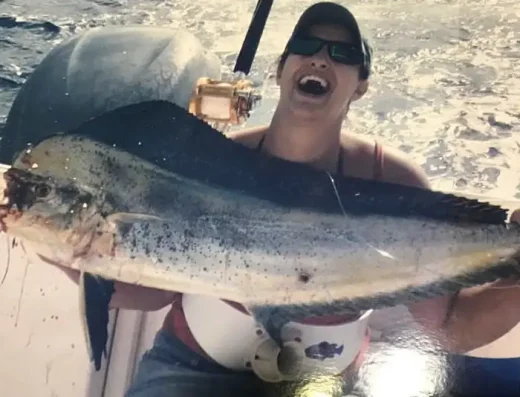
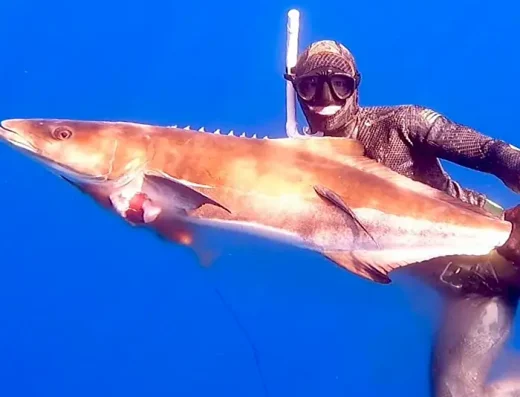
Outer Banks Fishing Guide
The Outer Banks fishery is built around three forces: wind, tide, and the position of the Gulf Stream. Those variables control where bait stacks, how currents shape structure, and where red drum, cobia, Spanish mackerel, kings, tuna, billfish, and flounder set up. Captains make decisions based on where the cleanest water meets structure and how quickly they can move between inlets, shoals, and offshore lines.
The inlets are the engines of the inshore program. Oregon Inlet and Hatteras Inlet push heavy water volume through breaks that form defined bars, outer troughs, and current seams. When tide accelerates, bait gets forced along the inside edges and predators stage on the first drop. Red drum, trout, and flounder sit in predictable pockets during these shifts. On incoming tide, clean ocean water moves in and improves visibility; on outgoing, sediment creates a color change that often holds drum on the down-current side.
Nearshore reefs and shoal transitions form the second tier—Spanish mackerel, bluefish, kings, and cobia track these areas based on temperature and clarity. Shoals like Diamond Shoals create turbulence that pins bait in certain pockets. When wind and tide align, predators use these seams all day. When they oppose each other, fish hold deeper and feed in short bursts.
The offshore program hinges on the Gulf Stream’s proximity. When the Stream swings closer, warm water meets cooler shelf water and creates razor-sharp temperature breaks. Tuna, mahi, wahoo, and billfish follow these edges. Captains run spreads along the warm side of the break where bait concentrates. When the Stream pulls offshore, fish push deeper and charters switch to more search-and-cover tactics, scanning for weedlines, birds, and life on the sounder.
Wind is the constant ruler. Southwest wind warms inshore water and pushes bait against the beaches, creating excellent surf, drum, and nearshore Spanish action. Northeast wind cools water quickly and shifts bait deeper or southward. Offshore, wind against current creates steep chop and forces captains to pick specific directions for trolling passes.
The reason Outer Banks fishing charters book well is simple: there is always a productive zone. Inlets for structure-driven fishing, nearshore shoals for migratory species, and offshore lanes for the full pelagic program. Weather decides the zone, not whether fishing is possible.
Popular Fishing Areas
Oregon Inlet
Oregon Inlet is the primary launch point for both inshore and offshore programs in the northern OBX. The inlet forms shifting bars, deep pockets, and tight current seams where red drum, trout, flounder, and bluefish hold based on tide speed. Outgoing tide creates strong color breaks, pulling drum and blues onto the down-current seam where bait concentrations rise. Incoming tide brings clean water that pushes predators closer to the inlet mouth and along the jetty line. Guides drift baits or run controlled casts along the edges, adjusting depth constantly to stay in the strike zone. Wind dictates clarity; east wind improves visibility, while west wind muddies edges. Its constant water turnover keeps it productive year-round.
Hatteras Inlet
Hatteras Inlet offers access to deeper cuts and faster-moving water than Oregon Inlet. Drum, cobia, trout, and bluefish hold on the outer bars and drop-offs where tide compresses bait. The inlet’s southern exposure makes it responsive to wind shifts: southwest wind improves clarity and warms water, while northeast wind cools and increases turbidity. During strong outgoing tide, predators sit on the down-current side of the bar, feeding aggressively on bait flushed through the cut. On incoming tide, fish push into shallower inside pockets and along channel bends. Guides run parallel drifts across bar edges or anchor above productive seams depending on current speed.
Diamond Shoals
A turbulent zone off Cape Hatteras where structure, current, and depth shifts create year-round feeding opportunities. Spanish mackerel, kings, bluefish, and cobia run the shoal lines during steady weather. When wind and tide align, the shoals create predictable bait compression that holds fish close to the surface. When wind opposes current, fish slide deeper into the troughs. Guides take advantage of calmer windows to run close passes along the shoal’s outer edges, trolling spoons, planers, or live baits depending on target. The shoals also serve as a transition zone for migratory species moving north and south.
Nearshore Reef Complexes
Reefs and wrecks within 5–15 miles of the Outer Banks shoreline hold kings, Spanish, cobia, amberjack, flounder, and snapper. Current hitting the structure determines how fish position: moderate current lifts predatory fish higher in the column; heavy current pushes them tight to the relief. Guides mark fish with sonar, then anchor or hover to drop baits into the pressure pocket. Summer sees high Spanish and king activity near the surface, while fall brings cobia and flounder tight to the bottom. Reefs serve as the fallback zone when offshore wind is heavy but inlets are still passable.
Gulf Stream Edge
The offshore Gulf Stream lanes are the Outer Banks’ elite pelagic territory. When warm Stream water brushes the continental shelf, sharp temperature breaks form visible color lines where tuna, mahi, wahoo, and billfish travel. Captains troll spreads along the warmer side of the break, adjusting lure size and position based on current speed and fish marks. Birds and weedlines make locating life easier on calm days; on rough days, sonar becomes key. When the Stream pushes farther offshore, charters run longer and search for rips, floating debris, or any structure that consolidates bait.
Extended Target Zones
Pamlico Sound Grass Flats
A protected system holding red drum, trout, and flounder. Wind direction dictates clarity: southwest wind stabilizes the flats, while northeast wind dirties them. Drum feed on shallow mud and sand transitions; trout work deeper pockets and grass edges. Guides use light-tackle drifts or shallow-water anchoring to present baits naturally in the current.
Ocracoke Inlet
A less pressured inlet with strong drum and bluefish movement. Tidal swings create predictable feeding zones along the bars and drop-offs. Clear incoming water improves sight-feeding; outgoing tide creates bait funnels along the inside edge. Guides drift natural baits through the seam.
Avon Pier / Outer Banks Piers
Piers offer controlled structure for Spanish, blues, kings, and drum. Current direction sets the bite. Clean water on incoming tide pulls pelagics tight; outgoing tide concentrates drum on the down-current pockets. Ideal for winds that make inlets unsafe.
South Beach Surf Lines
Drum and bluefish move along the surf breaks on southwest winds. Depth pockets and rip cuts provide feeding lanes. Guides and surf specialists time windows around tide shifts and light-angle changes.
Fishing Seasons in Outer Banks
Spring
Warming water brings Spanish mackerel, bluefish, cobia, and early kings. Drum move onto flats and inlet edges. Offshore, tuna remain strong, and mahi begin showing. Guides work a mixed program—nearshore trolling early, then shifting inshore as bait floods the inlets.
Summer
Prime mixed-bag season. Spanish, kings, cobia, and flounder dominate nearshore. Red drum and trout feed aggressively inside inlets. Offshore, mahi, tuna, wahoo, and billfish track Gulf Stream breaks. Calm mornings allow long nearshore runs; afternoon winds push charters into protected inlets or sound.
Fall
One of the strongest seasons. Bull reds stack in inlets and surf lines; Spanish and kings remain active; flounder feed heavily before cooling temps. Offshore, tuna reappear strongly. Guides follow bait compression caused by shifting winds and dropping temperatures.
Winter
Cold water pushes most pelagics offshore, leaving drum, trout, and stripers as primary targets. Nearshore structure holds flounder on warmer days. Inlets fish best when wind settles and visibility stabilizes. Offshore, tuna become the main target as long as the Gulf Stream holds temperature breaks within reach. Guides shift programs to deeper, slower winter tactics with heavier presentations.
Top Gamefish in Outer Banks
- Red Drum – 5–40+ lbs Hold in inlet seams, surf cuts, and grass flats; strongest spring–fall; taken on cut bait, live bait, and jigs.
- Cobia – 10–60 lbs Travel nearshore beaches and shoals; strongest late spring–summer; taken by sight-casting or live baits.
- Spanish Mackerel – 1–5 lbs Work nearshore reefs and rips; strongest summer; hit spoons and fast baits.
- King Mackerel – 5–30 lbs Run deeper nearshore edges; strongest fall; taken on slow-trolled live baits.
- Yellowfin Tuna – 20–80+ lbs Hold along Gulf Stream breaks; strongest winter–spring and fall; hit trolling spreads and jigs.
- Mahi-Mahi – 5–30 lbs Track weedlines and warm edges; strongest summer–fall.
- Wahoo – 10–60 lbs Hold on deeper rips; strongest summer–fall; taken on high-speed lures.
- Billfish (Blue/White/Sail) – Track temperature edges offshore; strongest summer–early fall.
Outer Banks Fishing FAQs
Best time for Outer Banks fishing charters?
Spring–fall for inshore and nearshore; winter–spring for offshore tuna.
Are offshore runs long?
Gulf Stream access varies by season but is usually reachable with professional captains.
Are inlets safe for beginners?
Only with a guide. Inlet bars shift constantly.
Do charters mix inshore and nearshore?
Yes, depending on weather and fish movement.
Do guides clean fish?
Yes—snapper, kings, Spanish, and drum where regulations allow.
Are surf trips guided?
Yes. OBX surf guides target drum, bluefish, and occasional kings.