New Jersey fishing charters run the gamut from back bay fluke and striped bass to canyon trips for tuna and tilefish, with sweetwater action inland for bass, pickerel, and trout.
TrustedFish connects anglers with proven local captains in New Jersey —no commissions, no pay-to-play listings, no BS. Every charter on our platform is invite-only, vetted for skill, local knowledge, and reputation. If they’re listed, they’ve earned it.
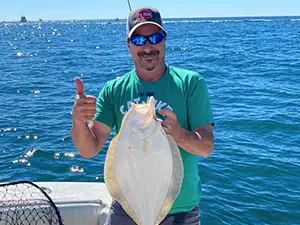
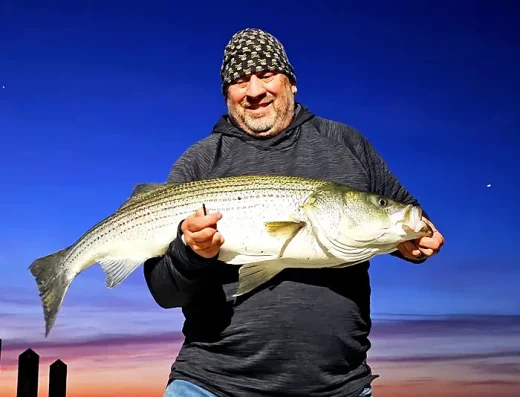
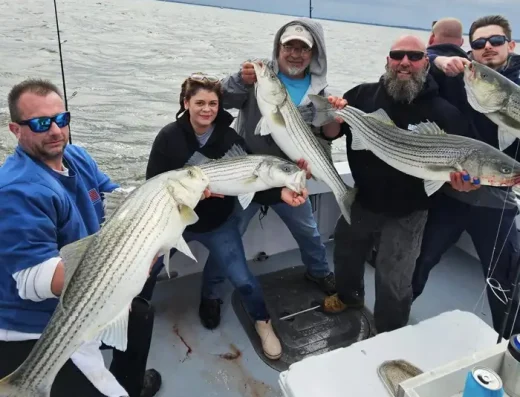
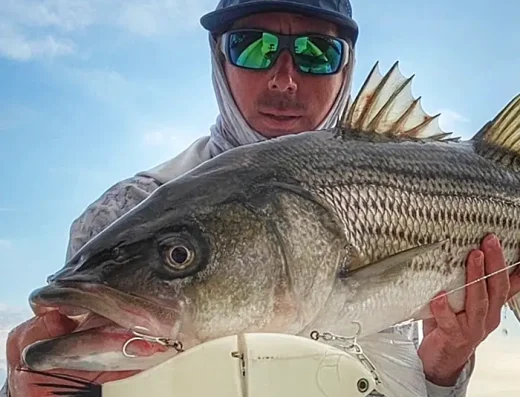
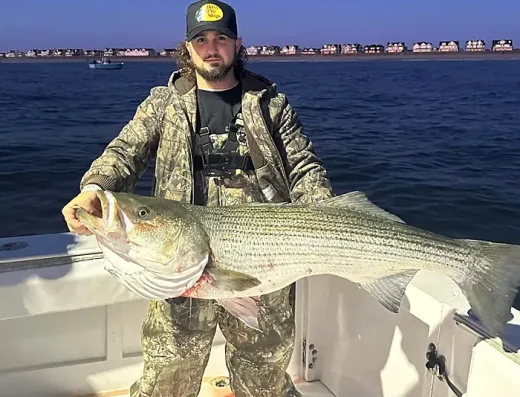
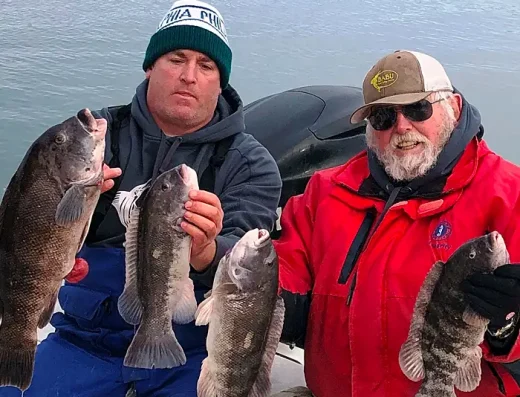
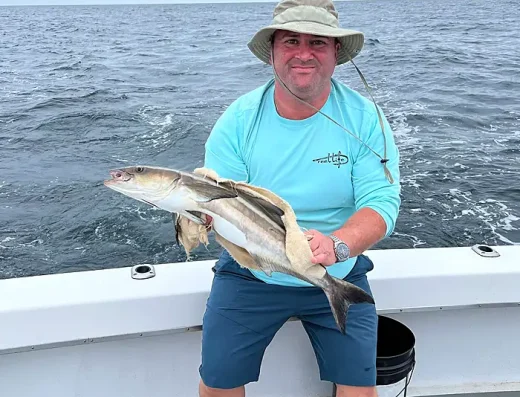
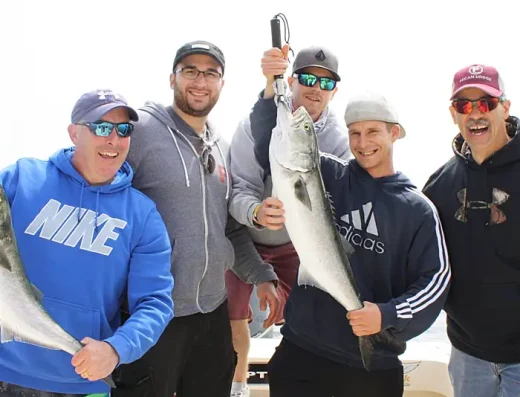
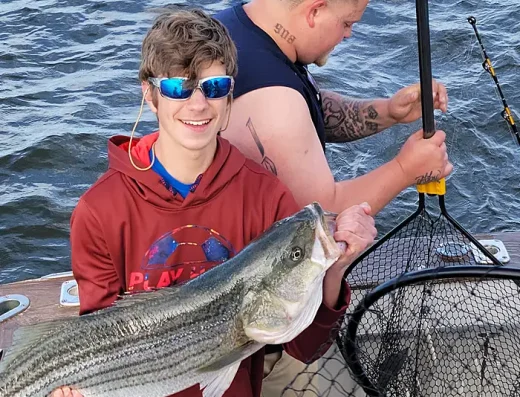
New Jersey’s coastal waters fish bigger than the state’s size might suggest. From the Raritan Bay down to Cape May, you’ve got access to bays, inlets, surf, nearshore structure, and serious offshore grounds. Inshore, boats target striped bass, bluefish, fluke (summer flounder), black sea bass, and tautog depending on the season. Back bay charters often fish shallow flats and sod banks with light tackle or live bait rigs, especially early spring and late fall for stripers.
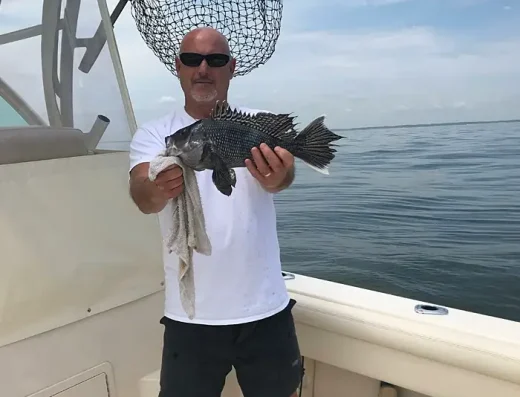
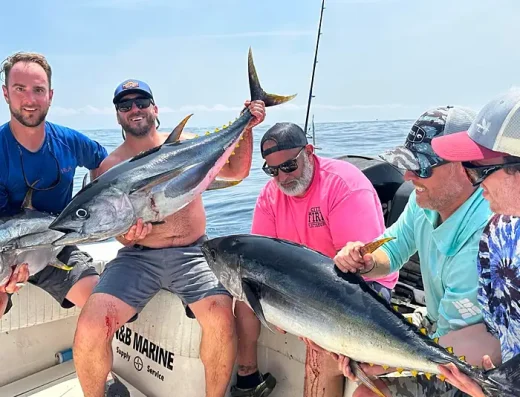
Offshore, the edge of the continental shelf sits about 70–80 miles out. Full-day and overnight trips chase yellowfin, bluefin, bigeye, and longfin tuna, plus mahi and marlin when the warm water pushes in. Deep drop trips target golden tilefish and swordfish. Headboats out of ports like Belmar, Atlantic Highlands, and Point Pleasant cover reefs and wrecks within 10–30 miles for sea bass, ling, and porgies.
Freshwater anglers get after largemouth bass and pickerel in lakes like Lake Hopatcong, Greenwood Lake, and Assunpink. Trout streams are stocked heavily by the state—especially in North Jersey rivers like the Musconetcong and Pequest.
Charter trips vary from 4-hour bay runs to 36-hour canyon overnighters. Smaller boats launch from local ramps for early-morning striper and fluke runs, while bigger offshore rigs leave well before sunrise. Live bunker, clam, squid strips, and Gulp! plastics are all part of the local bait kit. Trolling mojos and umbrella rigs is standard on the striper grounds, while offshore guys troll spreader bars and chum heavy when chunking tuna.
Early spring here lights up with migrating striped bass, and they stay around until early summer. Boats run out of Atlantic Highlands, Keyport, and Leonardo. Drifting live bunker or trolling mojos are common tactics. Fluke fill in by late May, with sea bass and porgies on nearby wrecks. It’s busy water, but productive, especially with bunker schools nearby.
Belmar, Manasquan, and Point Pleasant are launch points for both inshore and offshore trips. Sea bass and fluke dominate in summer, with good tautog in fall. Offshore boats run to the Hudson and Toms Canyons for tuna and swordfish. Barnegat Inlet gives access to back bay stripers and blues, with solid weakfish in the right conditions.
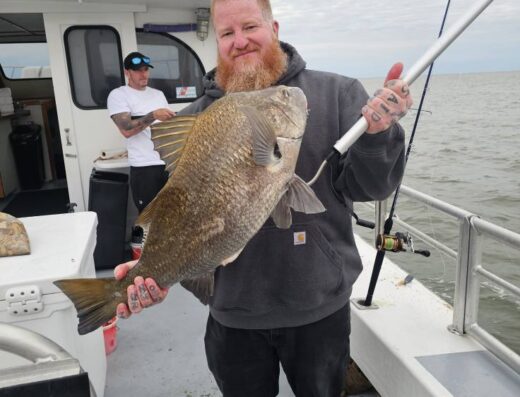
Cape May sees a mix of Delaware Bay and ocean fishing. Drum show up in spring, stripers hit in fall, and flounder fill the summer gap. Offshore guys here run to Wilmington Canyon. It’s a good jumping-off point for tilefish too. Sea Isle and Ocean City also offer reef and wreck fishing plus backwater charters.
Lake Hopatcong gets a lot of pressure but still holds solid largemouth, hybrid stripers, and walleye. The Pequest River is a top trout fishery, regularly stocked and wadeable. Small boats work well in these waters—kayaks and jon boats with electric motors are common. Spinnerbaits, Senkos, and inline spinners all catch fish depending on the season.
Striped bass kick off early in the bays and rivers, sometimes by March if the weather breaks early. Pequest and Musky trout streams see heavy action after stocking. April and May bring drum into Delaware Bay and fluke start showing up as the season opens. Offshore, you’ll get some early bluefin on the troll if water temps cooperate.
Fluke, sea bass, and ling fill the inshore and reef scene. Tuna fishing takes off offshore—chunking, trolling, or jig-and-pop for yellowfin and longfin. Back bays see cocktail blues and short stripers. Freshwater largemouth go deep midday but can be pulled on topwater at dusk. Night canyon runs for swordfish start to pick up.
This is peak time for big striped bass and tog. Stripers migrate down the coast, feeding heavy—best action’s around late October through November. Tautog are thick on the wrecks. Sea bass and porgy remain steady. Freshwater fishing turns back on with cooling temps—big bass and pickerel will chase cranks or live shiners.
Tog is the main show offshore when the season’s open. Party boats still run out to deep wrecks, and guys jig with white crabs or Asian shore crabs. Freshwater ice fishing shows up in January if the freeze holds—tip-ups for pickerel and perch, jigging for trout or panfish. Stripers stay in some rivers but slow way down.
Yes, for freshwater fishing you’ll need a state fishing license. Saltwater anglers don’t need a license but must register with the NJ Saltwater Recreational Registry.
Spring (April–June) and fall (October–November) are prime, especially around the Raritan Bay and coastal beaches during the migrations.
Usually yes, as long as it’s in season and within legal limits. Captains will fillet your catch if you ask.
Most inshore trips run 4–6 hours. Offshore trips range from 10-hour tuna runs to 36-hour canyon overnighters.
Squid strips, spearing, and Gulp! on bucktails. Some folks tip with live killies when they can find them.
Yes, especially offshore tautog. Some freshwater lakes also offer good ice fishing when it’s cold enough.
Canyon trips out of Cape May, Manasquan, or Barnegat Inlet target Hudson, Toms, and Wilmington canyons.
Back bay and reef trips are great for kids—shorter runs, steady action with sea bass or fluke, and calmer water.
If you’ve got the time and licenses, sure. Some anglers hit trout streams in the morning and chase stripers in the back bays by sunset.