
South Carolina Fishing Charters
South Carolina fishing charters run from shallow Lowcountry creeks full of redfish to offshore ledges where wahoo and tuna feed hard.
TrustedFish connects anglers with proven local captains in South Carolina —no commissions, no pay-to-play listings, no BS. Every charter on our platform is invite-only, vetted for skill, local knowledge, and reputation. If they’re listed, they’ve earned it.
Top Rated Charters in South Carolina
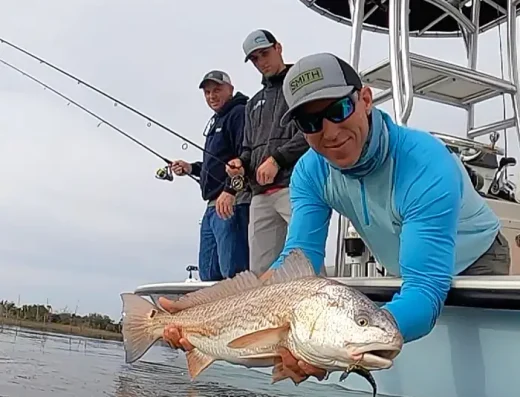
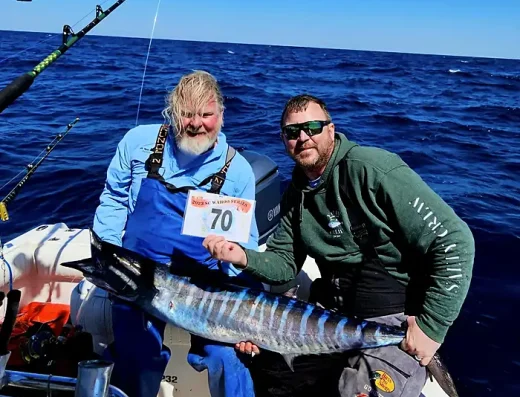
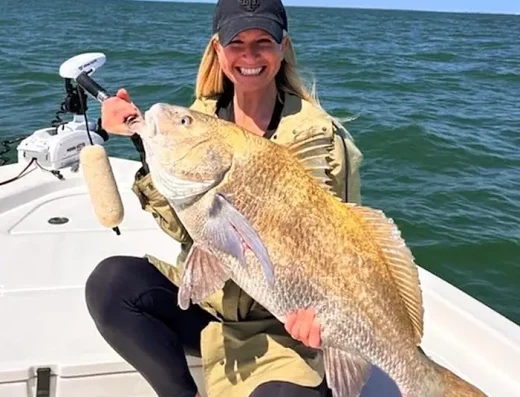
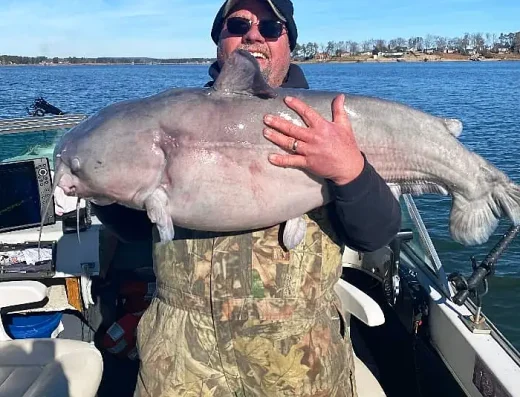
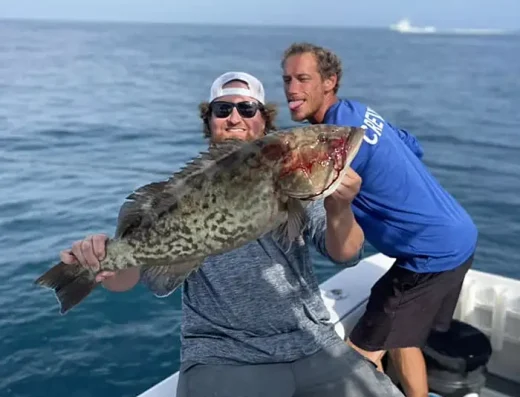

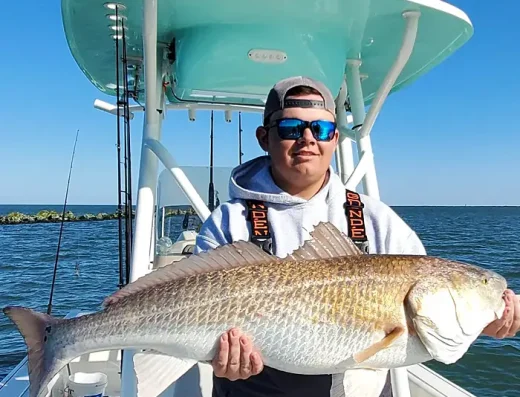
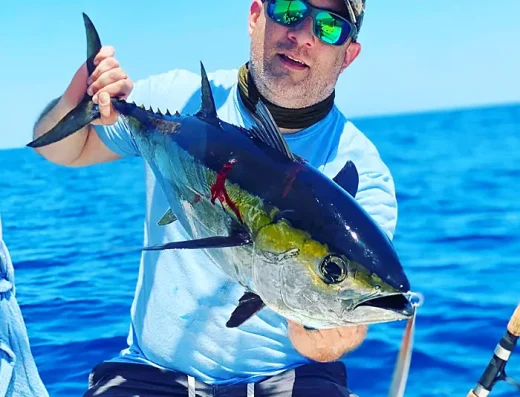
Click to View Destinations
South Carolina Fishing Guide
South Carolina’s coast and rivers make it a solid bet year-round. You’ve got the Atlantic on one side, freshwater lakes scattered inland, and tide-driven marshes up and down the Lowcountry. Saltwater charters mostly run out of places like Charleston, Beaufort, and Murrells Inlet. Inshore guides target redfish, speckled trout, flounder, and black drum, usually fishing around oyster bars, grass lines, and creek mouths. Light tackle with popping corks, soft plastics, and live shrimp is the go-to setup.
Offshore, the continental shelf sits 50–70 miles out depending where you launch. Full-day trips hit deep ledges and bluewater structure for mahi, tuna, wahoo, and billfish, especially from May through August. Nearshore reefs and wrecks hold cobia, kingfish, and sea bass if you’re not looking to run that far. Standard rigs are Carolina or knocker rigs with live menhaden or cut bait. Trolling is common offshore—blue/white skirts or Ilander rigs with ballyhoo do the trick.
Inland, lakes like Murray, Hartwell, and Santee Cooper are loaded with striped bass, catfish, and crappie. Most freshwater trips are guided with pontoon or bass boats. Striper fishing is solid year-round but best in spring and fall, often with downlines or planer boards. Night fishing is popular in summer to beat the heat.
South Carolina charters run half-day, ¾-day, and full-day, depending on the target and season. Public boat ramps are everywhere, but tides rule the saltwater zones. Flats flood and drain fast. If you’re new to the area, hire a local. Tide timing makes or breaks most inshore trips here.
Regional Fishing Highlights
Lowcountry Marshes (Beaufort, Edisto, Hilton Head)
This is redfish country. The flooded spartina grass and oyster-studded creeks south of Charleston hold tailing reds from late spring through fall. Guides pole skinny skiffs or run bay boats, depending on water depth. Popping corks with shrimp or mullet chunks do fine, but sight fishing with artificials or fly gear is top shelf when conditions are right. Flounder and trout round out the action, especially around creek mouths and deeper bends.
Charleston Harbor & Jetties
Charleston offers a mix—quick inshore trips for reds and trout, or nearshore runs to reefs for cobia and kings. The jetties at the harbor entrance hold bull reds, sheepshead, and the occasional tarpon. Fiddler crabs on knocker rigs work for sheepshead, while big cut mullet gets the redfish. Tides can rip through here, so local knowledge matters. Summer and fall see strong bait runs and hot action close to town.
Murrells Inlet & Grand Strand
Up near Myrtle Beach, the focus is on nearshore wrecks and inlets. Summer trips often hit close reefs for Spanish mackerel, sea bass, and spadefish. Inshore, you’ll find reds, flounder, and trout in the creeks. The waters here are sandy-bottomed and not as marshy as down south, but the bite is solid, especially around bait schools. Some guides also run 10–20 miles out for kings and mahi when weather allows.
Upstate Lakes (Santee Cooper, Murray, Hartwell)
Freshwater here means big catfish, striped bass, and crappie. Santee Cooper is famous for monster blues and flatheads—cut bait on bottom rigs is standard, with many trips anchoring near deep ledges or drift fishing. Lake Murray and Hartwell are strong striper lakes, especially in spring when fish school up shallow. Guides use live herring, planer boards, and down rods to follow the bite. Crappie go on fire in the spring spawn near brush piles.
Fishing Seasons in South Carolina
Spring
Redfish start tailing, trout get more active, and flounder come back inshore. Offshore waters heat up—blackfin tuna, wahoo, and early mahi show up. In freshwater, striped bass and crappie spawn, and catfish start moving shallow. Ideal time for variety.
Summer
Redfish feed on flood tides. Tarpon arrive in Lowcountry creeks. Nearshore reefs hold kings and cobia. Offshore is peak time for mahi, tuna, and marlin. Inland lakes get hot—night fishing for catfish and stripers becomes the move.
Fall
Best inshore fishing of the year. Redfish school tight, trout fire up, flounder stack up before the exit. Big bull reds show up at jetties and river mouths. Offshore slows down, but kingfish and bottom species still hang. Crappie and striper ramp up again in the lakes.
Winter
Inshore bite stays decent on mild days—reds and trout are still catchable, just slower. Clear water helps for sight fishing. Offshore trips get rare unless weather cooperates. Catfish bite stays strong in freshwater, with deep winter holes producing big blues.
Most Popular Gamefish in South Carolina
- Redfish – 16–30 inches. Found in creeks, flats, and jetties year-round. Caught with cut mullet, shrimp, or soft plastics on jigheads.
- Speckled Trout – 12–22 inches. Targeted in tidal creeks and grass edges using popping corks with live shrimp or DOA baits.
- Flounder – 14–20 inches. Fished near docks, jetties, and creek mouths with mud minnows or jigs bounced along the bottom.
- Black Drum – 2–20 pounds. Found around structure using shrimp or blue crab chunks on Carolina rigs.
- Sheepshead – 2–10 pounds. Targeted at pilings and bridges using fiddler crabs on small circle hooks.
- Tarpon – 40–120 pounds. Caught along the beaches and river mouths in summer using mullet or crabs under floats.
- King Mackerel – 10–30 pounds. Trolled offshore reefs with live bait or spoons on full-day trips.
- Cobia – 15–40 pounds. Sight fished or chummed up near reefs and river mouths using eels or live bait.
- Spanish Mackerel – 1–5 pounds. Found nearshore in spring and summer, caught trolling Clark spoons behind planers.
- Bluefish – 1–10 pounds. Chased nearshore and off piers using spoons, plugs, or cut bait.
- Sharks – 10–150 pounds. Caught inshore and nearshore with cut bait on heavy gear—blacktip, bonnethead, and sandbar most common.
South Carolina Fishing FAQs
Do I need a license to fish in South Carolina?
Yes. Residents and non-residents need a fishing license for both freshwater and saltwater unless you’re fishing with a licensed charter guide.
What fish are in season in South Carolina?
Redfish, trout, flounder, and black drum are reliable most of the year. Offshore species like mahi and wahoo peak in summer and fall.
Where are the best inshore fishing spots?
Beaufort, Edisto Island, and Charleston all have strong marsh systems full of redfish, trout, and flounder.
Can you catch tarpon in South Carolina?
Yes, mostly in the southern Lowcountry from July through September. Look for them in deeper creeks and sounds.
Are fishing charters kid-friendly?
Most inshore and freshwater trips are great for kids. Calm waters, short runs, and steady action keep it fun.
What’s the best time for offshore fishing?
May through August is best for mahi, tuna, and billfish. Wahoo show up early spring and late fall.
How long are typical charters?
Half-day trips are common for inshore or nearshore. Offshore usually needs a full day, especially if heading to the Gulf Stream.
What bait works best inshore?
Live shrimp and finger mullet are go-tos. Artificial options like paddletails and topwater plugs also work well.
Do tides matter when fishing here?
Absolutely. Inshore bite in South Carolina is tied tight to tide movement—know your windows or fish with a local who does.