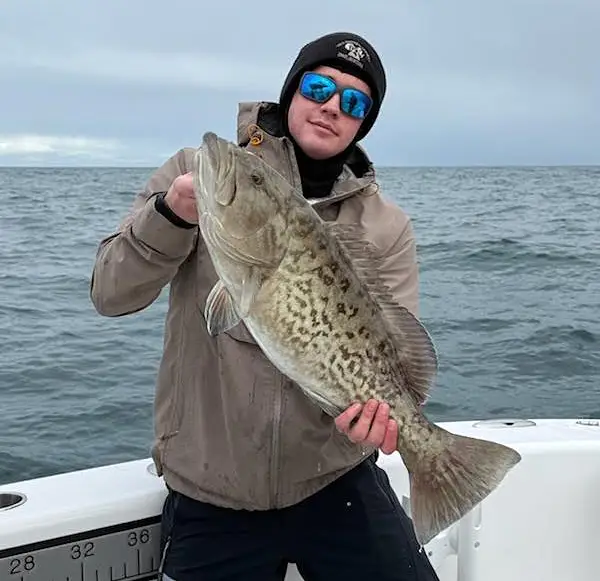
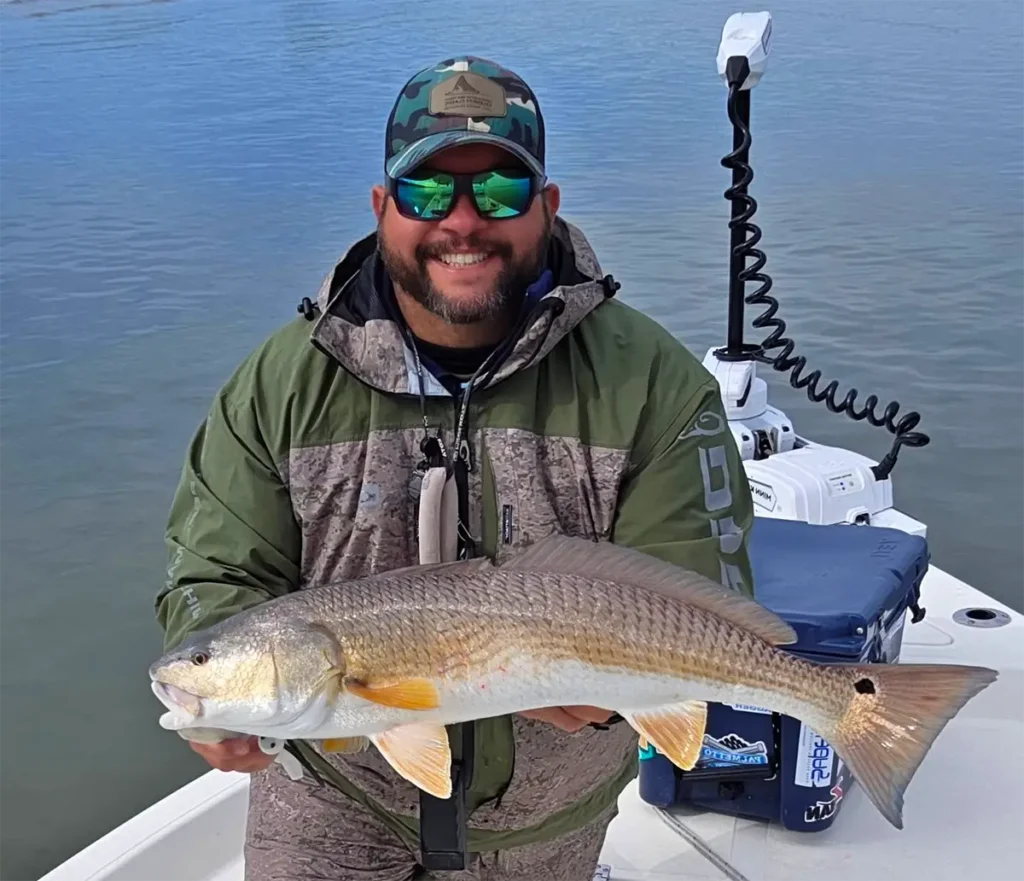
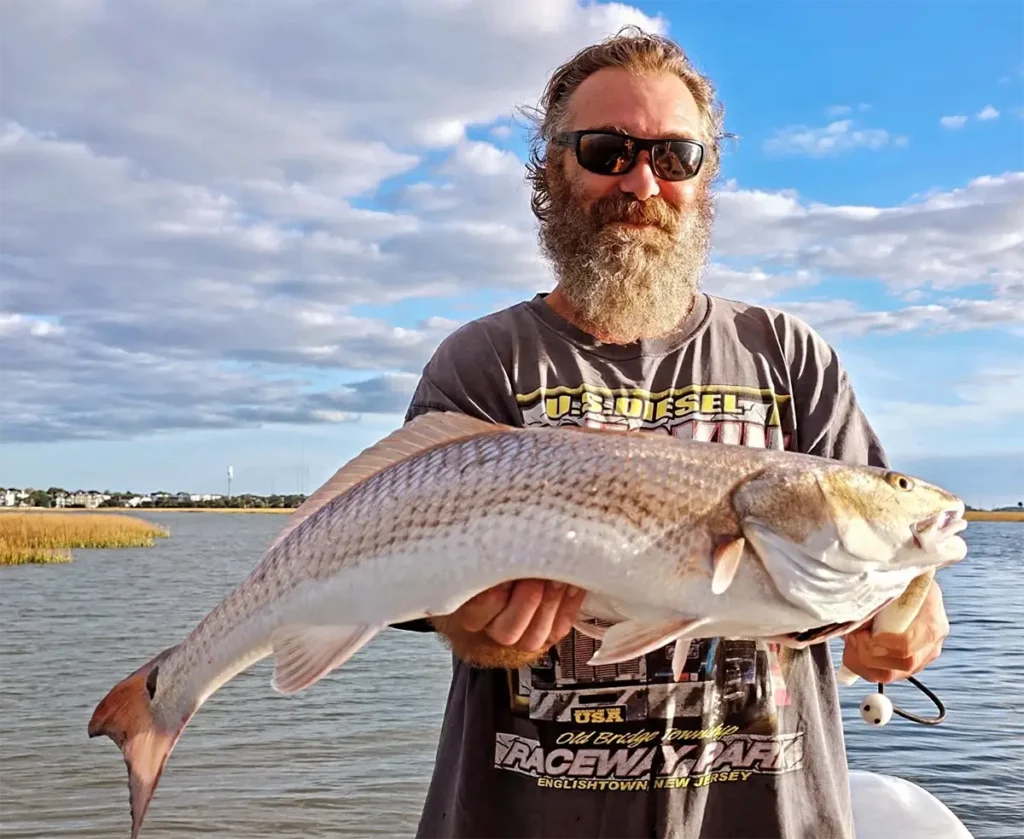
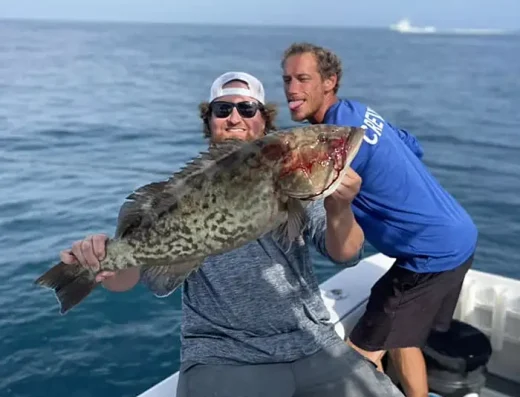
December in Charleston delivers one of the most distinct seasonal transitions of the year. Cold fronts settle into a predictable rhythm, water temperatures drop into the mid 50s, and the entire inshore system begins shifting into winter structure. Redfish school tightly along oyster edges and mud flats, speckled trout concentrate in deeper bends and slow-moving creeks, and sheepshead gather around pilings and bridges. The cooling trend also improves water clarity across the marsh, revealing excellent sight-fishing opportunities during low tides.
Nearshore, the colder water pushes large schools of black sea bass, weakfish, sheepshead, and porgies onto reefs within short range of the jetties. Bull red drum are less common than fall but still appear around channel edges and deeper structure. Farther offshore, December can produce steady bottom fishing on ledges, wrecks, and hard-bottom zones, along with shots at king mackerel during stable weather windows.
Charleston is a true winter fishery in December. Conditions become predictable, fish school tightly, and tides dictate almost every opportunity. For captains who understand winter positions and creeks that hold heat, December can be one of the most consistent months of the entire year.
Inshore Redfish, Trout, and Sheepshead
Summary of Inshore Conditions
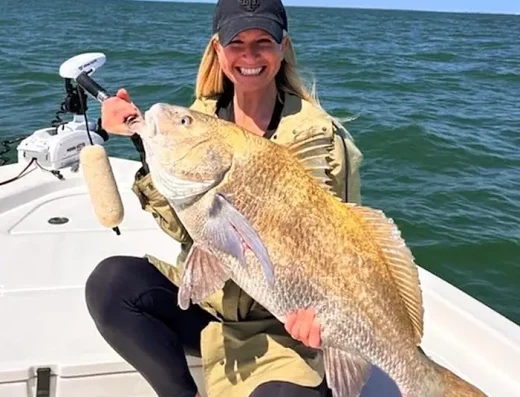
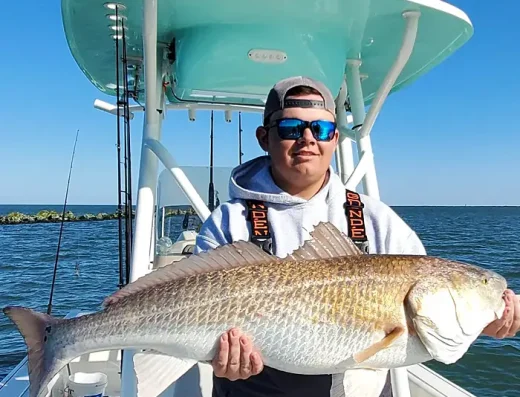
Redfish form large winter schools along mud flats, oyster bars, and shallow coves
Clearer water improves sight-fishing on low tide flats
Live shrimp, artificial shrimp, and soft plastics produce consistent redfish strikes
Speckled trout concentrate in deeper bends, creek mouths, and drop-offs
Trout feed best during midday warmups and stable high tides
Sheepshead stack around docks, bridge pilings, and rock structure
Fiddler crabs and pieces of shrimp remain the top sheepshead baits
Black drum feed slowly but steadily along deeper mud edges
Tides and temperature shifts strongly influence daily movement
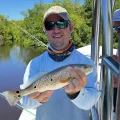
December brings some of the clearest winter water Charleston sees all year. With grass die-off and reduced tidal sediment, visibility improves dramatically across the marsh. This clarity reveals large redfish schools, often 20 to 100 fish, pressed tight along mud flats, shallow back lakes, and oyster edges. These schools feed slowly but consistently throughout the month. Redfish respond to soft plastics, artificial shrimp, and cut bait fished with minimal movement. On sunny afternoons, they slide shallower to warm themselves on dark mud flats.
Speckled trout transition into deeper winter locations. These include creek bends, deeper cuts near river mouths, and protected channels with slow-moving water. Trout become less aggressive in cold mornings but feed well after the sun warms the surface layer. Artificial lures under corks, slow jigs, and live shrimp all perform well. December trout fishing often produces strong numbers when tides align with warming periods.
Sheepshead fishing strengthens considerably. These fish gather around pilings, docks, bridge structure, and rock edges where barnacles and crustaceans thrive. Fiddler crabs and shrimp remain the best winter baits. The clearer water helps anglers see sheepshead as they move vertically along structure. Patience and precise bait placement are key.
Black drum remain consistent on deeper mud edges, especially in creeks with slightly warmer water. They respond best to shrimp or small pieces of crab. December drum tend to be smaller than spring fish but provide steady action.
Nearshore Reefs and Jetties
Summary of Nearshore Conditions
Black sea bass stack heavily on nearshore reefs within 10 to 20 miles
Sheepshead gather around rock piles, wrecks, and jetty structure
Weakfish and porgies mix into the reef action during December
Bull redfish appear around deeper jetty zones and channel edges
Bottom rigs with squid, shrimp, or cut bait produce consistent results
Calm weather windows allow small boats to reach productive reefs easily
Water clarity improves, revealing tightly schooled bottom fish
Nearshore reefs provide reliable winter action when inshore tides slow
The cooling trend brings dense numbers of black sea bass onto nearshore reefs. These fish group tightly around structure in 40 to 80 feet of water and feed aggressively throughout December. Simple bottom rigs with squid or cut bait often produce nonstop action. Many reefs hold mixed species including porgies, weakfish, and occasional triggerfish.
Closer to shore, Charleston’s jetties become a major winter hotspot. Strong tidal flow pushes bait through the rocks, and predators line up on the down-current sides. Sheepshead gather along vertical rock faces, and dropping bait tight to structure produces consistent hookups. Some bull redfish still roam the deeper sections of the jetties early in the month. Anglers fishing cut mullet or large shrimp near the bottom encounter these fish regularly.
Nearshore winter fishing is often defined by weather windows. When the wind relaxes, even smaller boats can reach reefs with excellent results.
Offshore Bottom Fishing and Pelagic Opportunities
Summary of Offshore Conditions
Offshore bottom fishing is reliable on ledges, rocks, and hard bottom zones
Black sea bass, triggerfish, porgies, and snapper species dominate catches
King mackerel remain possible during warm stretches and stable high pressure
Deeper reefs hold larger bottom fish later in the month
Jigging and live bait rigs work well for mixed structure species
Current strength dictates how tightly fish hold to structure
Longer runs offshore require stable weather windows
December remains primarily a bottom fishing month offshore
Offshore opportunities in December tend to favor bottom species. Ledges, rock piles, and deeper reefs hold black sea bass, porgies, and various snapper species. These fish respond well to both bait and jigs. The colder water concentrates fish along the bottom, making structure reading and precise anchoring especially important.
Triggerfish appear frequently on deeper rocks and feed steadily throughout the month. The larger sea bass tend to move slightly deeper as December progresses, and captains working 80 to 120 feet often find better-class fish.
Pelagic opportunities taper but do not vanish entirely. King mackerel remain possible during warm stretches, particularly when water temperatures stabilize and bait schools gather offshore. Slow trolling dead bait or live menhaden produces the best chance at late season kings.
Because December cold fronts arrive regularly, offshore trips depend on weather stability. When conditions align, the offshore bottom bite remains productive and reliable.
December Outlook
Summary of December Expectations
Winter redfish schools provide exceptional sight-fishing opportunities
Speckled trout gather predictably in deeper bends and creek systems
Sheepshead fishing peaks around bridges, docks, and jetties
Nearshore reefs offer nonstop sea bass action
Offshore bottom fishing holds steady during calm weather windows
Water clarity improves across the marsh for winter sight casting
Temperature shifts guide movement in every fishery
December is one of Charleston’s best winter fishing months
December 2025 promises consistent action across Charleston’s entire fishery. Inshore redfish form large, predictable schools, creating ideal shallow-water opportunities for sight casting. Speckled trout settle into deeper winter patterns and feed reliably during midday warm-ups. Sheepshead fishing peaks as fish gather thickly around bridges and rock edges.
Nearshore reefs continue to deliver excellent action for sea bass, porgies, and mixed bottom species. Offshore fishing remains centered on bottom structure, with weather windows determining how far boats can run.
With colder weather, clearer water, and highly concentrated fish, December is one of the most dependable winter fishing months in Charleston. Anglers who match tides, temperature trends, and structure positions will find steady success throughout the month.
Charleston Fishing Charters
If you want on-the-water updates or are ready to plan a trip, the captains listed below run inshore, nearshore, and offshore charters throughout the Charleston area. These guides track winter redfish schools, nearshore reef bite cycles, and tide-driven movement in real time. Booking with a local captain ensures you fish the most productive creeks, bends, reefs, or offshore structure for the conditions on the day you go.