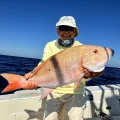
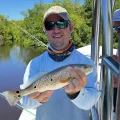
January in Tampa Bay is not subtle. Cold fronts roll through, water temperatures swing fast, and fish reposition hard and early. This is one of the largest open estuaries in Florida, but winter compresses it. Fish do not roam the bay in January the way they do in warmer months. They slide, stack, and wait.
Most mistakes this time of year come from fishing memory instead of conditions. Spots that produced in November and December can go dead overnight after a front. Areas that barely get touched during summer suddenly hold most of the fish in the system. January is not about covering ground. It is about understanding where fish hide when they are uncomfortable and recognizing the short windows when they move out to feed.
How January Reshapes Tampa Bay
Tampa Bay reacts quickly to winter weather because of its size and depth profile. Much of the bay is shallow. Grass flats, back bays, and mangrove shorelines cool fast overnight and warm just as fast under afternoon sun. Deeper channels, basins, and dredged areas change far more slowly, which is why they become winter holding zones.
In January, fish rarely disappear from the bay. They reposition vertically and laterally in response to temperature and water movement. After a strong front, fish pull off open flats and stack along edges and deeper water. After a few stable days, they creep back shallow for short feeding windows. If you miss those windows, the bay feels empty.
Upper Bay vs Lower Bay in Winter
Not all of Tampa Bay fishes the same in January. The upper bay warms faster on sunny afternoons but also cools harder overnight. The lower bay holds more stable water, especially near passes and deeper grass edges.
In January, upper bay areas can fish very well midday on calm, sunny days. Lower bay areas often fish more consistently early and late because water temperatures swing less. Understanding which part of the bay to fish based on recent weather saves time.
Grass Flats in January
Grass flats are still important in January, but they are not an all-day play. After cold nights, shallow flats are often too cold first thing in the morning. Fish that live there pull out to edges, potholes, or deeper adjacent water until the sun has time to warm things up.
When conditions are right, January flats fishing can be excellent. Redfish and speckled trout slide shallow on warm afternoons, especially on incoming tides that bring slightly warmer water. These bites tend to be deliberate and short-lived. Fish feed, then pull back out once light or tide changes.
Blindly fishing shallow grass early in the morning after a front is one of the most common winter mistakes in Tampa Bay.
Mangrove Shorelines and Wind Protection
Mangrove shorelines become critical in January. They block wind, trap heat, and concentrate bait. After fronts, redfish and snook tuck tight to these edges, especially on the lee side where water stays calmer and slightly warmer.
Mangroves fish best in January when water is moving. A slight current pushing bait along the edge can turn a slow day into a productive one. Slack tide along mangroves in winter is usually unproductive. Fish are there, but they are not willing to move.
Channels, Cuts, and Winter Holding Water
January pushes fish into deeper water more consistently than any other month. Natural channels, dredged cuts, and deeper basins inside Tampa Bay act as winter refuges. Trout, redfish, and snook all use these areas after fronts when shallow water cools too much overnight.
This is where many January trips are made. Fish stack tighter, move less, and respond better to slower presentations. Drifting edges, working drop-offs, and fishing vertically becomes more important than covering water.
Hillsborough Bay in January
Hillsborough Bay is shallow, muddy, and temperature-sensitive. In January, it can be feast or famine. After a cold front, it often fishes slow in the morning. By early afternoon on sunny days, it can warm enough to pull redfish and trout shallow along flats and shorelines.
This is a timing zone. Fish it too early and it feels empty. Fish it when the sun has done its work and it can produce surprisingly well. Channels and deeper edges inside Hillsborough Bay are reliable fallback areas when flats are slow.
Old Tampa Bay Winter Patterns
Old Tampa Bay behaves similarly to Hillsborough Bay but with even more dramatic temperature swings. In January, fish often stack in deeper water here after fronts. Channels, docks, and drop-offs become key.
When conditions stabilize, Old Tampa Bay can produce excellent afternoon bites, especially for redfish and trout. Snook tend to hold tight to structure and feed selectively. Patience matters more here than speed.
Lower Tampa Bay and Stability
Lower Tampa Bay holds more consistent water temperatures in January, especially closer to passes. Grass flats adjacent to deeper water produce more reliably here than in the upper bay. Trout and redfish slide shallow more often, even after fronts, provided there is sun and moving water.
This area is often a safer bet early in the day during winter, especially when upper bay water is still cold.
Fort De Soto Area in Winter
The Fort De Soto area plays a major role in January inshore fishing. Proximity to deeper water and passes allows fish to move easily between shallow and deep zones. Redfish, trout, and snook all use this area heavily in winter.
Edges, drop-offs, and adjacent flats fish best. Clean water alone does not guarantee bites. Slightly stained water with bait usually produces better. This area often saves trips after strong fronts.
Skyway Bridge and Deep Structure
The Skyway Bridge area holds deep water, structure, and current, making it a winter refuge for many species. Snook, sheepshead, and larger trout use this area when shallow water is uncomfortable.
In January, this is a slow, methodical fishery. Fish stack tight and respond best to precise presentations. It is not flashy fishing, but it is dependable when conditions elsewhere shut down.
Tide Controls Everything in January
In January, tide timing matters more than time of day. Incoming tides bring slightly warmer water and pull fish shallow. Outgoing tides concentrate bait and pull fish toward edges and drains. Dead low tides stack fish tightly but require slow, careful presentations.
Fishing the right area at the wrong tide is one of the most common winter mistakes in Tampa Bay.
Redfish Behavior in Januaryv
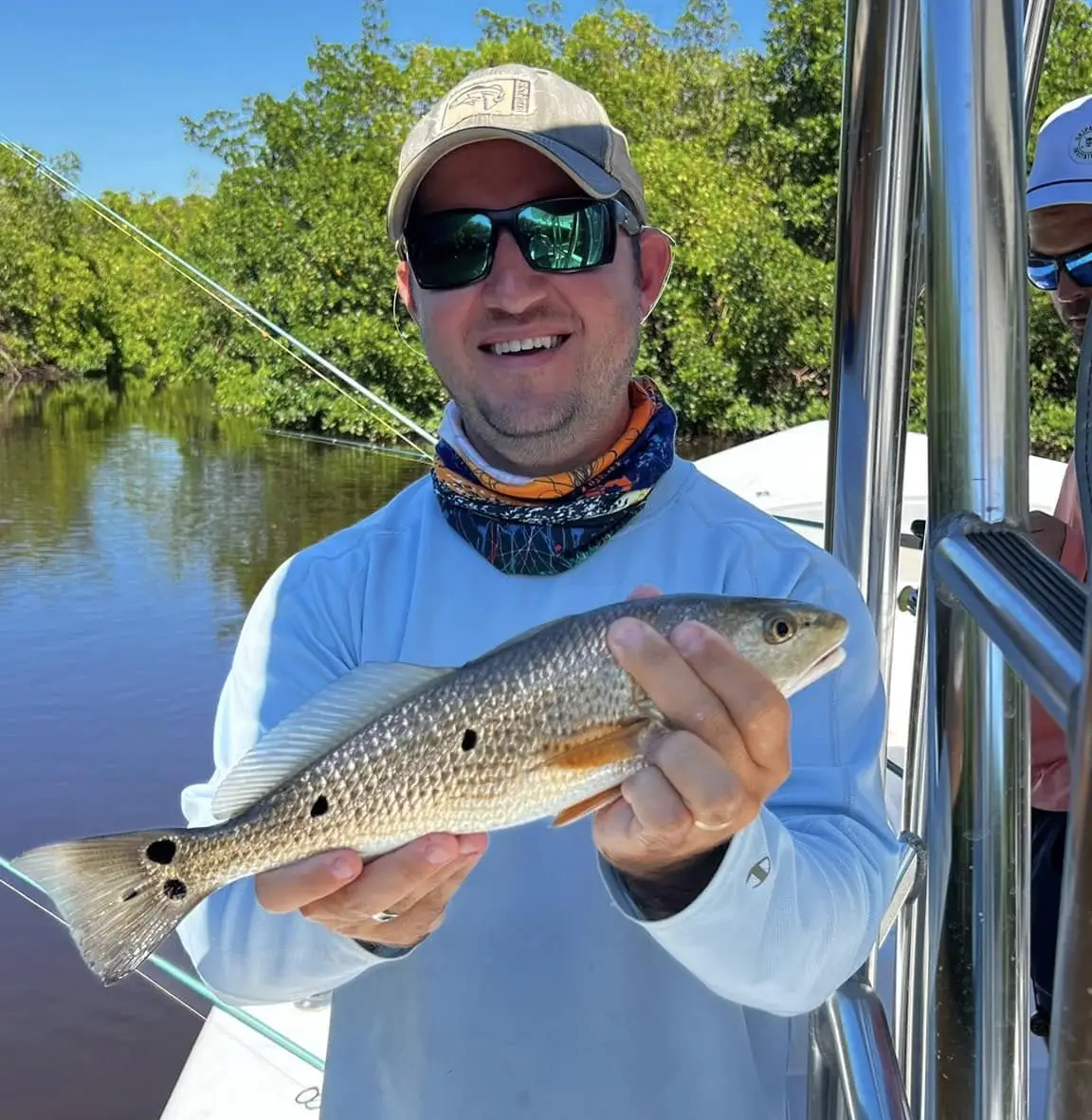
Redfish remain a reliable winter target in Tampa Bay, but they move less and group more tightly. After fronts, they often stack along mangrove edges, channel edges, and deeper potholes. On warmer afternoons, they slide shallow to feed briefly.
January redfish are rarely aggressive all day. Most bites come during short windows tied to warming water or tide movement. Once that window closes, they stop cooperating quickly.
Spotted Seatrout in Winter
Speckled trout shift deeper in January, especially larger fish. While smaller trout may still show on shallow grass during warm periods, quality fish tend to hold along drop-offs, deeper grass edges, and channel mouths.
Slow presentations dominate winter trout fishing. Covering water quickly usually produces smaller fish or none at all. Patience and depth control catch bigger fish.
Snook in Cold Water
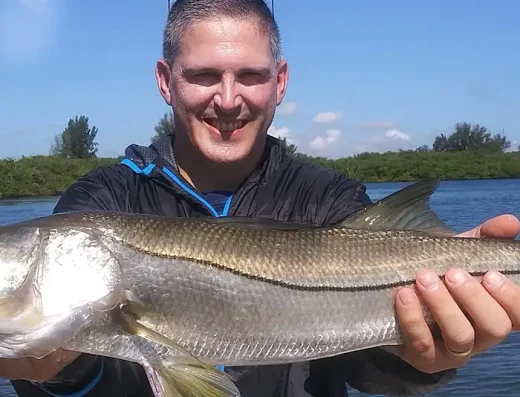
Snook are present year-round, but January pushes them into survival mode. After strong fronts, snook stack deep near structure where water temperature is more stable. Docks, seawalls, bridges, and deep mangrove edges all hold fish.
Snook feed selectively in winter. They respond best when bait is brought to them with current. Slack water shuts them down fast.
What January Inshore Days Actually Look Like
Some January days produce one good window and little else. Others start slow and improve as water warms. Many require abandoning shallow water that would have worked a month earlier. Clean, cold water with no bait rarely produces. Slightly stained water with bait usually does.
Most slow January days come from fishing like nothing changed.
How Fish Get Caught in January
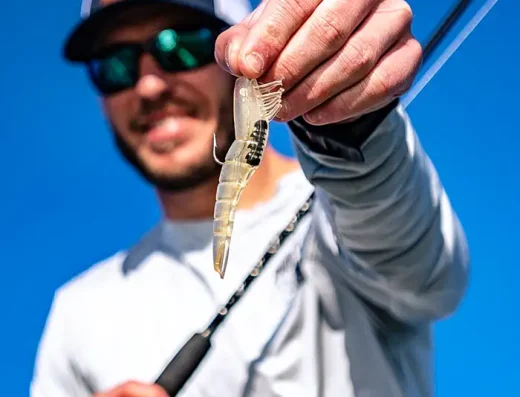
Live bait works when fish are inactive. Artificial lures work when water warms and fish slide shallow. Slow retrieves matter more than lure choice. Depth and timing matter more than distance.
There is no winter shortcut in Tampa Bay.
Choose a Vetted Tampa Bay Inshore Captain
Inshore fishing in Tampa Bay during January 2026 is entirely captain-dependent. Understanding how cold fronts push fish deeper and compress feeding windows is what produces results. Below this report, you will find our list of vetted, top-rated Tampa Bay inshore fishing captains.
These are operators with verified winter experience who know when to fish shallow, when to drop deeper, and when to wait for the right window instead of forcing the wrong water.