Late December fishing out of Destin is controlled by cold front timing and how quickly water conditions stabilize between systems. Productive days usually occur in the short windows following fronts, when winds lay down and water clarity improves. Fish remain present across inshore, nearshore, and offshore zones, but they reposition quickly in response to temperature drops and pressure.
Anglers who shift locations based on conditions, rather than locking into a single plan, consistently see better results during this period.
Inshore fishing report
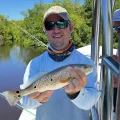
Inshore fishing improves late December in protected waters such as Choctawhatchee Bay, the Intracoastal Waterway, and along the north side of East Pass. These areas offer stable water temperatures and reduced wind exposure after fronts.
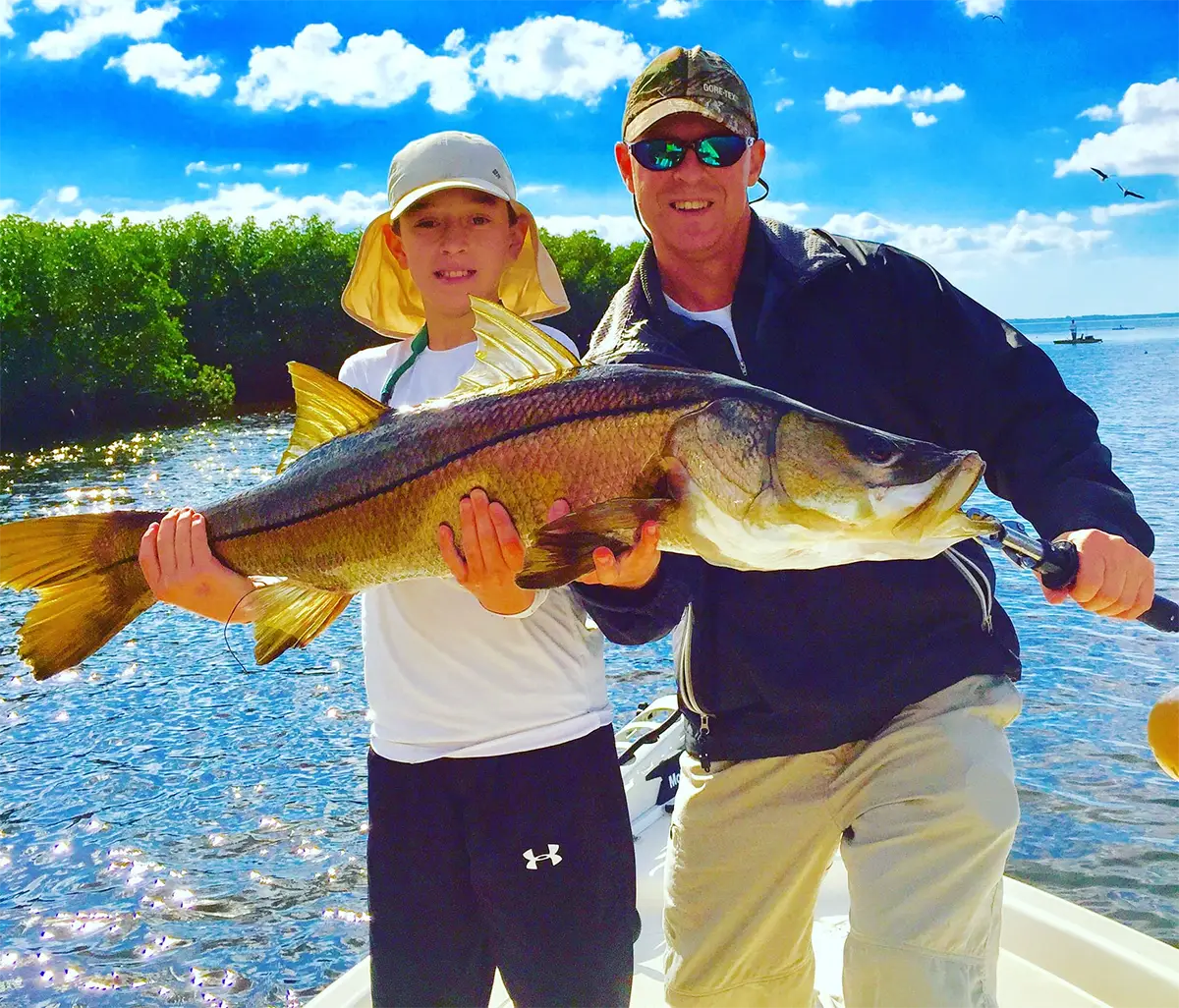
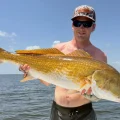
Redfish are commonly found along deeper grass lines, docks, and bridge structure, especially near the Mid-Bay Bridge and shoreline points with current movement. Speckled trout shift toward deeper holes, channel edges, and bayou mouths during colder stretches, particularly near the Destin Bridge and adjacent channels.
Low-light periods and moving water produce the most consistent inshore action.
Nearshore and reef fishing
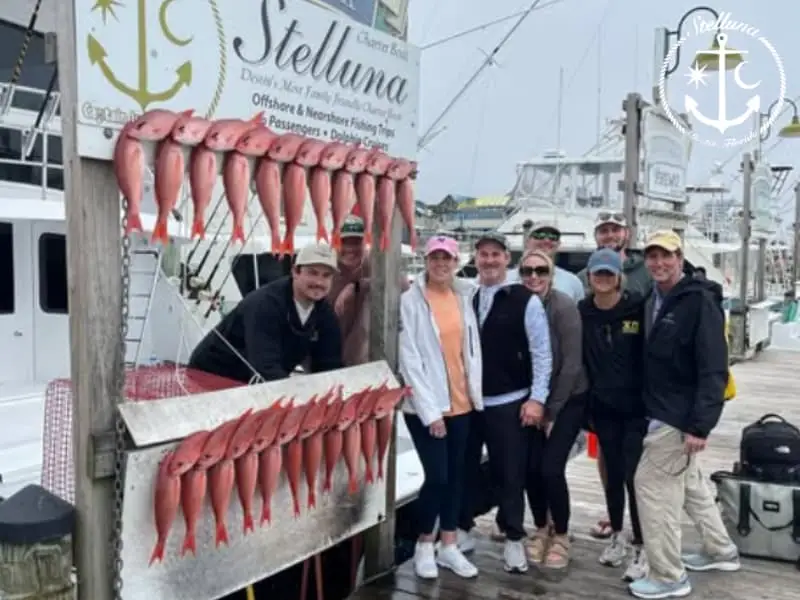
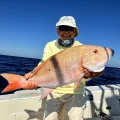
Nearshore fishing becomes viable late December when seas calm, especially around artificial reefs and wrecks south of East Pass. Structure in 60–120 feet of water holds sheepshead, triggerfish, vermilion snapper, and occasional amberjack when conditions allow.
Water clarity is critical. After strong north winds, fish tend to stack tighter to structure and respond better to slower, vertical presentations. When visibility improves, reef fishing stabilizes quickly, even if conditions only hold for a day or two.
Nearshore trips during this period often require flexibility, as weather windows can close fast.
Offshore fishing conditions
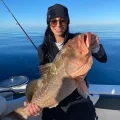
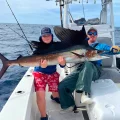
Offshore fishing out of Destin in late December depends almost entirely on weather spacing between cold fronts. When seas flatten, trips toward deeper water and the edge of the DeSoto Canyon can be productive, particularly for grouper species holding on deep structure.
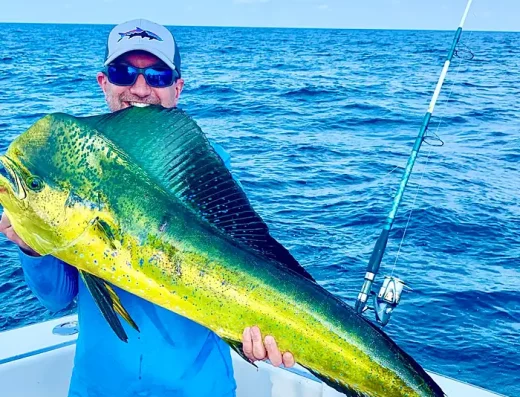
Offshore success during this time comes from targeting specific areas rather than covering large distances. Pelagic opportunities exist when water clarity improves, but late December offshore fishing is best approached with defined goals and conservative planning.
Cold fronts are the dominant factor in late December. Rapid temperature drops can temporarily slow fish activity, particularly inshore, pushing species toward deeper and more stable water. Once conditions settle, fish resume feeding patterns quickly.
Clear water following fronts often improves visibility in the bay and nearshore zones, while extended north winds may limit offshore access. Monitoring front spacing is more important than chasing individual forecasts.
Late December pattern summary
Late December fishing in Destin is defined by:
Frequent cold fronts
Short weather windows
Fish holding tighter to structure and depth
Inshore zones outperforming offshore during unstable periods
Success comes from adjusting locations based on daily conditions rather than forcing a fixed plan.
Fishing Destin, Florida in late December with a local captain
Late December fishing around Destin requires local knowledge and adaptability. Understanding how fish reposition after cold fronts, and knowing which areas stabilize first, shortens the learning curve significantly.
Many anglers choose to fish with a highly skilled local captain who knows when to stay inside Choctawhatchee Bay, when nearshore reefs are worth the run, and when offshore trips toward the DeSoto Canyon are realistic. An experienced captain adjusts strategy in real time based on weather, water clarity, and pressure.
For those looking to book a fishing charter or learn more about late December fishing options in Destin, Florida, vetted captains and additional information are available through the site.