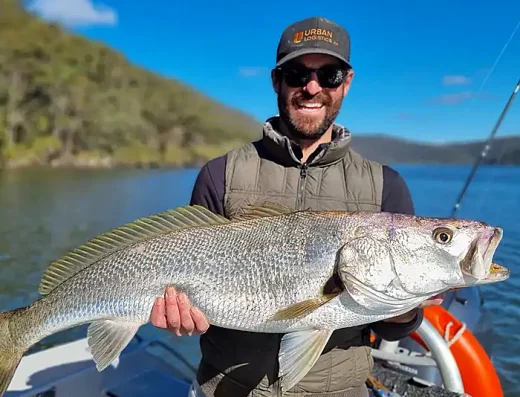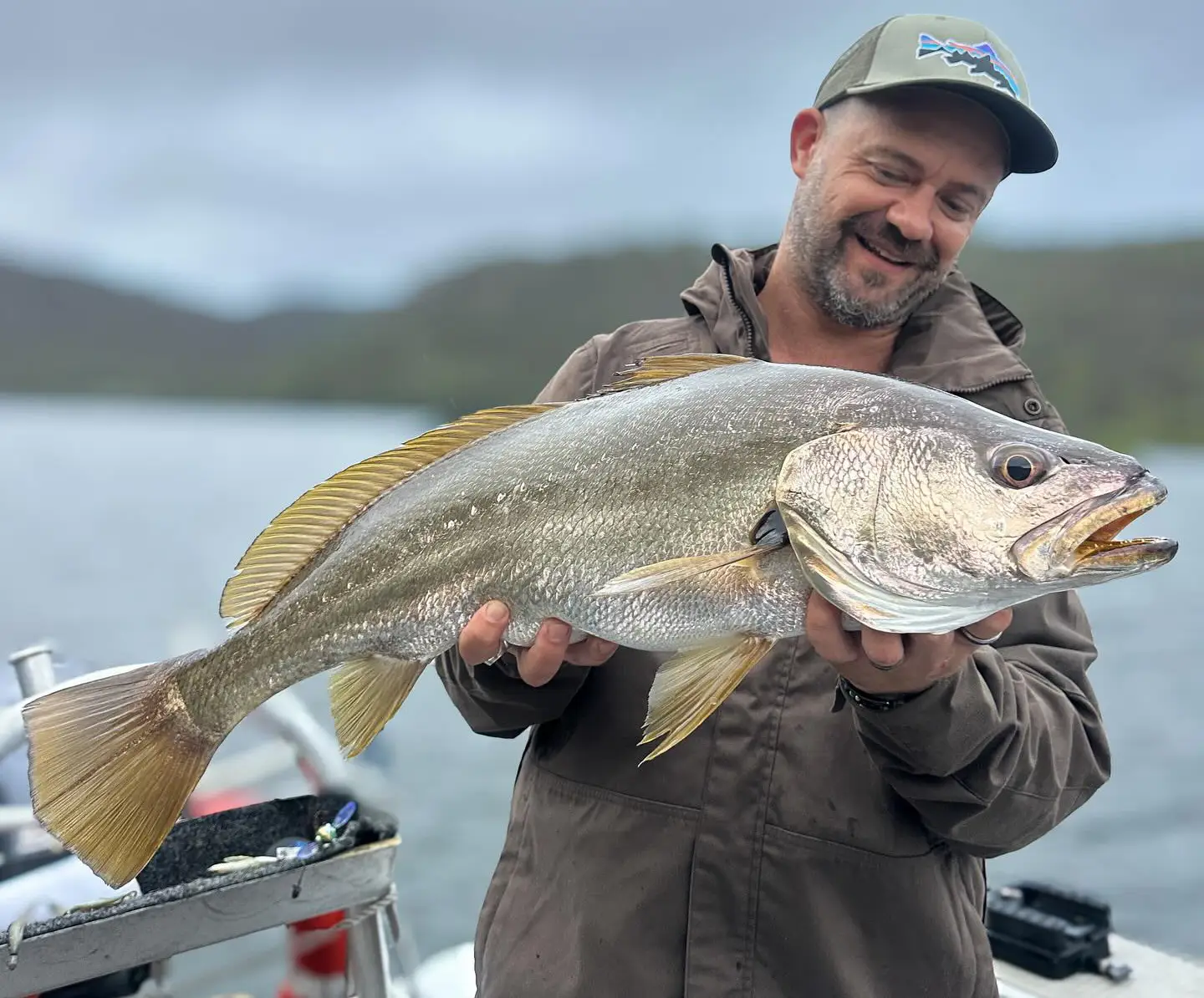
Sydney Harbour in Sydney, New South Wales, Australia fishes best in late December when anglers avoid peak holiday traffic and focus on early morning and low-light periods around structure and current edges.
Overview of Late December Fishing Conditions
Late December across Sydney Harbour, Lane Cove River, Broken Bay, Pittwater, and the Hawkesbury River is shaped far more by heat and holiday pressure than by any major seasonal shift.
Water temperatures are fully elevated, bait is established throughout the systems, and fish are present, but consistent success depends on timing. Increased boat traffic during the holiday period compresses feeding windows and pushes fish tighter to structure or deeper water. Late December rewards restraint and planning rather than constant movement.
Sydney Harbour
Sydney Harbour fishing during late December is most productive outside peak traffic hours. Early morning sessions around structure, shadow lines, and current edges remain the best opportunity to intercept feeding fish.
Flathead hold along drop-offs and channel edges, while bream and trevally favor bridge pylons, moorings, and shaded structure. Surface activity can occur briefly at first light, but usually fades quickly once vessel movement increases.
As the day progresses and traffic builds, fish retreat deeper and bites become more selective.
Lane Cove River
The Lane Cove River offers more consistency through late December due to lower vessel traffic and more confined structure. Mangrove edges, rock walls, and deeper bends hold bream, flathead, and estuary perch throughout the period.
Fish respond best during moving water, particularly on the run-out tide. While heat limits midday activity, shaded banks and overhanging cover can still produce if presentations are kept slow and precise.
This river favors patience over coverage.
Broken Bay
Broken Bay provides a mix of estuary structure and open-water influence, making it adaptable but timing-sensitive late December. Flathead spread across sandy edges and drop-offs, while bream and whiting hold near oyster racks, weed beds, and defined current lines.
Boat traffic is heavy during daylight hours, so most productive sessions occur early or late. When wind remains light and tides align, feeding windows can open quickly and close just as fast.
Mobility helps here, but only when paired with selectivity.
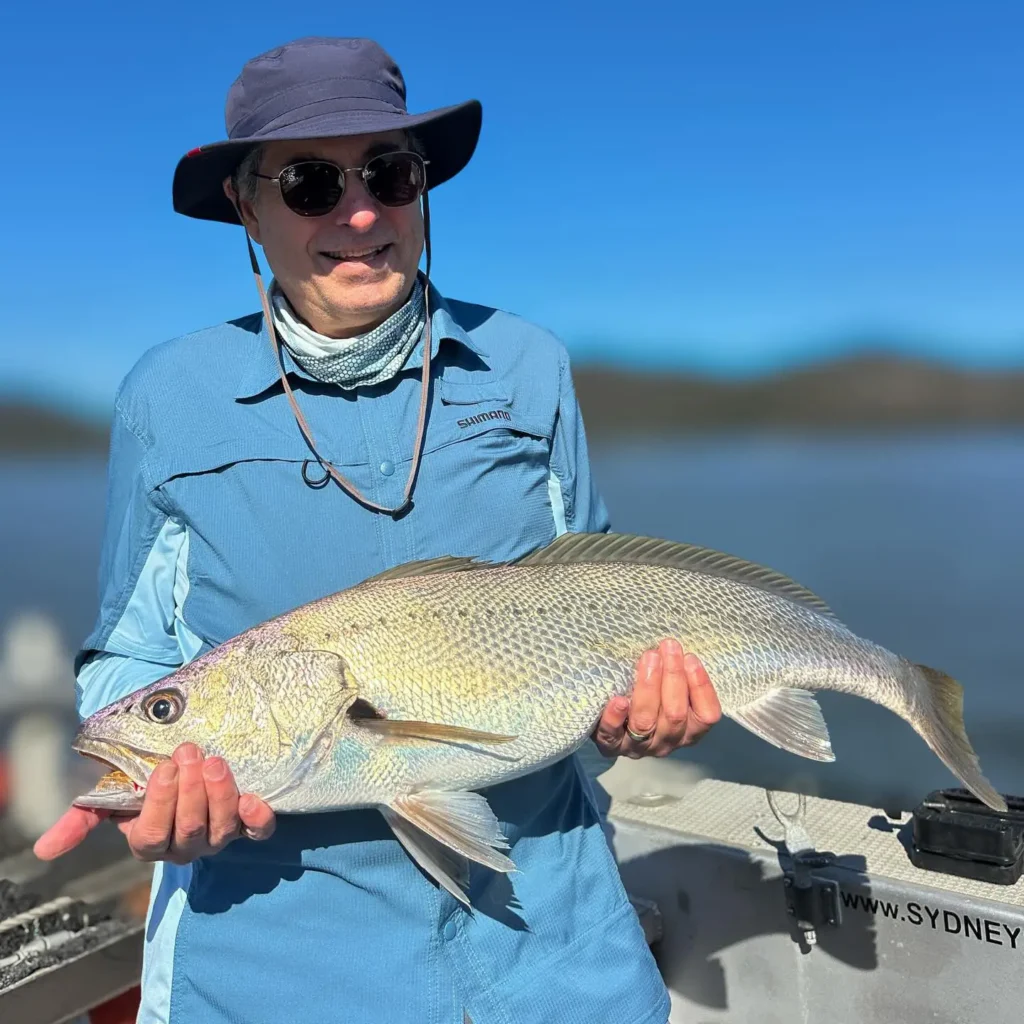
Pittwater
Hawkesbury River
The Hawkesbury River fishes well late December but requires adjustment for heat and pressure. Deeper holes, current breaks, and river junctions become increasingly important as daytime temperatures rise.
Flathead and jewfish respond best during tide changes and low-light periods, while bream and estuary perch hold close to structure and shaded banks. After rainfall, freshwater influence can slow activity upriver, but lower sections generally remain stable.
Discipline and selectivity outperform constant repositioning.
Late December pattern summary
- Elevated water temperatures
- Heavy boat traffic during daylight hours
- Short, predictable feeding windows
- Fish holding tighter to structure and depth
Early mornings, evenings, and night sessions consistently outperform midday efforts. Late December is not about chasing seasonal change. It is about adapting to pressure, heat, and timing.
Fishing late December with a local captain
Late December inshore fishing around Sydney is less about luck and more about local decision-making. Short feeding windows, heavy traffic, and changing conditions leave little margin for error.
Anglers looking to shorten the learning curve often choose to fish with a highly skilled local captain who understands how these systems behave during the holiday period. A good captain adjusts locations and timing in real time based on pressure, tides, and conditions rather than relying on fixed plans.
For those looking to book a charter or learn more about inshore fishing options, contact information and experienced local captains are available through the site.