November is one of the most dependable months to fish the Upper Florida Keys, especially around Key Largo, Tavernier, and Islamorada. The long summer heat finally breaks, the water cools, and bait begins stacking on the reef. Offshore edges sharpen, the wrecks load up, and the backcountry comes alive again.
This is the time of year when an experienced captain can walk onto the dock and already have a strong plan. November fishing in the upper Keys is not about luck. It is about reading water color, current, temperature shifts, and pressure changes. A captain who understands these patterns can produce steady action while inexperienced anglers often drift right past the fish.
Why November works in the Upper Keys
November gives the fish everything they need to feed harder and move into predictable spots. The air cools just enough to make long days comfortable, and the water temperature drops into a range that pulls predators onto structure.
The reef edge usually gets cleaner water and sharper color changes. Baitfish begin sliding up to the shallows and wrecks, and predators follow closely behind them. The northeast winds after a front move bait toward the reef, and that is often when the bite jumps.
In the backcountry, the cooler water reduces summer stress on the flats. Snook, redfish, and trout begin feeding consistently throughout the day. These shifts are subtle, but they create stable fishing that lasts through the month.
Weather in November
The weather in Key Largo during November stays mild for most anglers. Days often sit in the high seventies or low eighties, and the evenings bring cooler air that drops water temperatures into the mid seventies.
These water temperatures are prime for reef species and for the early sailfish movement. Light northeast winds are common after cold fronts. Even though these winds may create moderate chop, they also help form the clean color breaks captains look for when targeting sails and kingfish.
Water clarity improves through November. This makes it easier to see ballyhoo showers on the edge, locate working birds, or spot transitions from green water to blue water. Those small details are what drive successful November offshore trips.
Offshore deep sea fishing in November
Offshore fishing begins to turn into a consistent pattern once November arrives. The early sailfish push gets underway as schools of ballyhoo gather along the reef. When the ballyhoo are thick and the water is clean, the predators arrive fast.
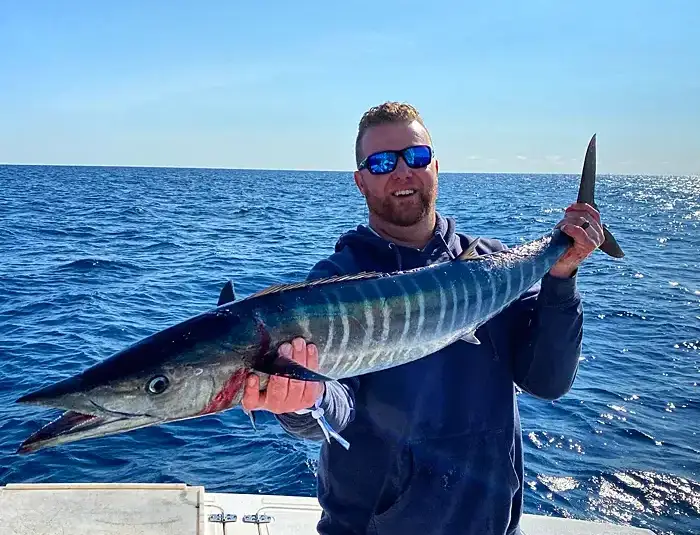
Kingfish also move onto the deeper reef lines and wrecks. They settle into areas where cooler water and consistent bait give them a steady food source. Blackfin tuna gather tightly around humps and deep wrecks, and they often feed best early and late in the day.
Early November can still produce mahi when the weather stays stable. As the fronts become more frequent, the focus shifts solidly to sails, kings, and tuna.
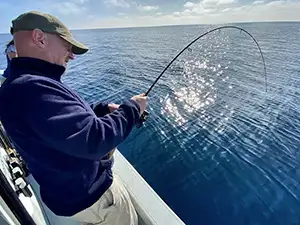
Most crews rely on live bait throughout November. Kite fishing is a go to method because the winds usually cooperate. Slow trolling ballyhoo along the reef line is another productive approach. When the wind and current line up and the blue water pushes tight to the edge, the bite can turn into doubles or triples.
What usually bites offshore in November
Sailfish
Kingfish
Blackfin tuna
Mahi during early November
Reef and wreck fishing in November
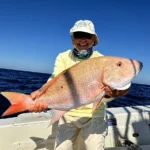
Reef and wreck fishing becomes extremely steady in November because the temperature drop pushes snapper and grouper into stronger feeding cycles. Mutton snapper gather on deep structure and respond well to live bait, especially when the current is running hard.
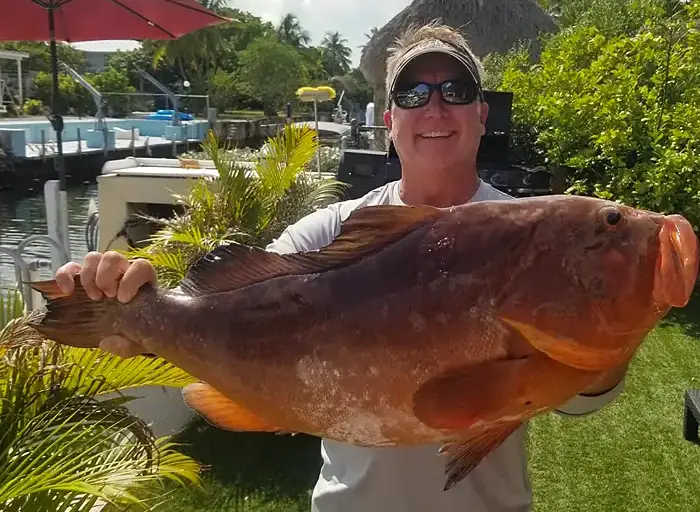
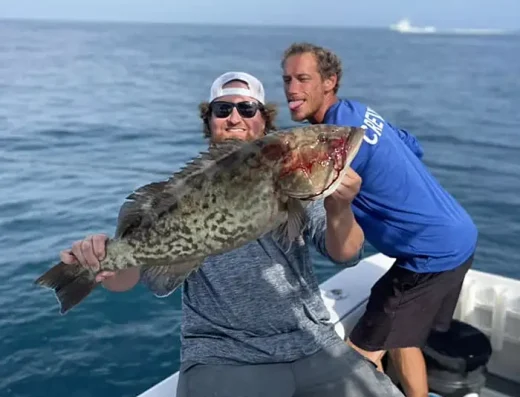
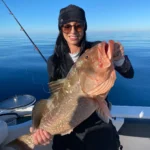
Yellowtail snapper stay consistent along the shallow reef. The cooler weather helps them feed longer through the day. Grouper fishing remains excellent since the season is still open, and November is one of the last windows before it closes on January first.
Kingfish show up on many wrecks as the month progresses. Many captains keep a flat line out while targeting bottom fish so they can pick off passing kings. Amberjack stack up on the deeper wrecks and towers, and barracuda hang around any structure with steady bait presence.
This is the month where proper anchoring, current reading, and chum management matter. A small mistake in anchor placement can put your lines in dead water instead of the strike zone.
Common reef and wreck species
Mutton snapper
Yellowtail snapper
Black, red, and gag grouper
Kingfish
Amberjack
Barracuda
Backcountry and Florida Bay fishing in November
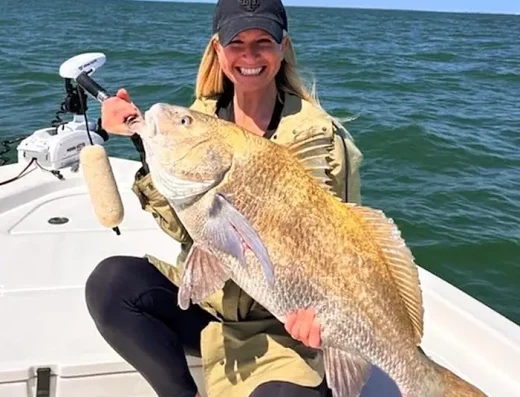
The backcountry behind Key Largo and Tavernier starts firing again in November. The cooler water gives snook, redfish, and trout the conditions they prefer. During summer these fish can be sluggish due to extreme heat. November brings them into predictable feeding zones.
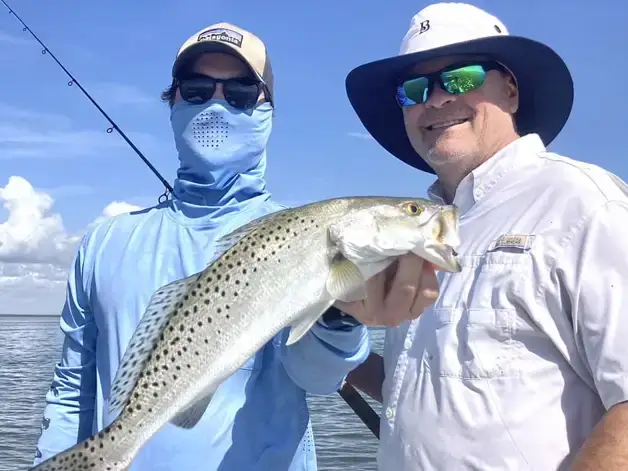
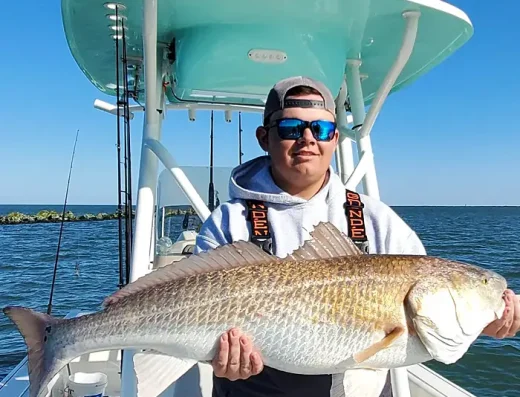
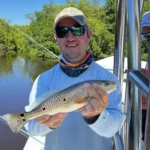
Snook and redfish sit along mangrove points, creek mouths, and hard bottom edges. Sea trout concentrate on grass flats with moving water, and once you find the right drift, the bite can stay steady. Tarpon are less predictable but still show on warm stretches, especially around channels with good flow.
Mixed species action is strong because jack crevalle, snapper, and ladyfish stay active in cooler water. The backcountry also offers protection from wind, so it is a strong fallback when the ocean side is too choppy for comfortable fishing.
Typical backcountry bite in November
Snook
Redfish
Sea trout
Tarpon on warm days
Jack crevalle and mangrove snapper
Why it pays to fish with a qualified charter in November
November looks simple from a distance, but conditions change quickly as fronts arrive. A reliable captain understands how wind direction, water temperature, and bait movement affect the offshore edge, the reef, and the backcountry.
A good guide knows which wrecks hold muttons after a front, where the ballyhoo stack on the reef, and which spots produce snook and redfish when the tide shifts. Live bait work becomes critical, and crews with strong bait sources have a major advantage.
If the offshore bite slows because of dirty water or a weak edge, an experienced guide can pivot to the reef or the bay without wasting time. November is one of the clearest examples of how local knowledge and preparation directly impact your success.
What a good charter captain brings in November
The ability to adjust quickly between offshore, reef, and backcountry
Experience with wrecks and edges that fire after cold fronts
Reliable live bait sources
Efficient travel routes that avoid wasted time
Understanding of how current and water color control the bite
The Northern Florida Keys operate as one connected fishery in November. Each town offers something slightly different, but all benefit from the same seasonal patterns.
Key Largo has fast access to the reef and offshore grounds, which is perfect for shorter trips or quick adjustments. Tavernier sits in a central position that makes it easy to switch between the ocean and the backcountry. Islamorada has a long history of experienced captains who have refined November patterns over generations.
Regardless of where you launch from, a skilled captain can move throughout the entire area and cover whatever style of fishing is most productive that day.a
Top charters to book in November
November is not the month to gamble on inexperienced boats. You want captains who understand the November bait cycles, who follow the fronts, and who know when to switch between offshore, reef, and bay. The charters you place here should be proven operators who consistently find clean water, active bait, and structure that holds fish.