Key Largo sits at the northern entrance of the Florida Keys, where Florida Bay meets the Atlantic and the reef line begins its long run toward Islamorada. The area’s layout creates three distinct fishing environments: the mangrove-lined backcountry, the coral reef and wreck zone just offshore, and the deeper bluewater farther out near the edge of the Gulf Stream. Each trip type offers a different experience, different species, and different rhythms of the day, and understanding the differences helps anglers choose the right charter for their goals.aa
Backcountry Fishing in Key Largo
Backcountry trips leave from marinas such as Anglers Club, Pilot House, and Blackwater Sound, then cross into the sheltered basins and calmer channels of Florida Bay. The environment is shallow and protected, which means almost no wave action and almost no risk of seasickness. Sight lines stretch across miles of open water broken by mangrove islands, with roseate spoonbills, osprey, and dolphins frequently visible. The ride from the dock is quick, often ten to fifteen minutes, because the fish-rich zones lie immediately behind Key Largo’s island chain.
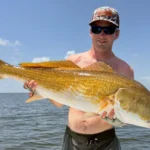
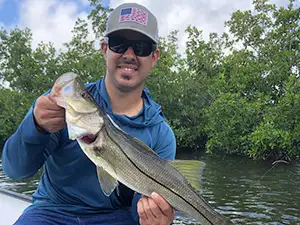
The species mix centers on snook, redfish,sea trout, mangrove snapper, juvenile tarpon, and seasonal bonefish on the oceanside flats. Early mornings often involve poling along shoreline edges, shell bars, or mudding flats in places such as Nest Key, Little Buttonwood, or the Barnes Sound edges. Tarpon gather in the spring along backcountry channels that dump into Florida Bay, especially near channels west of Blackwater Sound. Guides use live shrimp, soft plastics, bucktails, and sometimes fly tackle depending on clarity and wind.
Backcountry’s advantage is accessibility and consistency. Conditions rarely shut down an outing because the Everglades and Keys islands block the wind. The scenery is serene and immersive, making this the preferred trip for families, beginners, and anglers who enjoy technical light-tackle fishing. Costs average in the 500 to 800 range for a half day and 800 to 1,200 for a full day depending on season and captain demand. Anglers should expect calm water, close proximity to wildlife, and a slower, more methodical style of fishing built around accuracy rather than brute strength.
Reef and Wreck Fishing in Key Largo
Just a short run south of the island, the Atlantic side shifts into a turquoise shelf leading to Key Largo’s world-famous reef system. The transition from patch reefs to the main reef line is visible within minutes of leaving shore, with well-known structures such as Molasses Reef, French Reef, Grecian Rocks, and the Elbow forming the backbone of this trip type. Seas can be mildly choppy depending on wind direction, but because the reef lies only four to seven miles from land, boats never travel long enough for rough water to overwhelm most anglers.
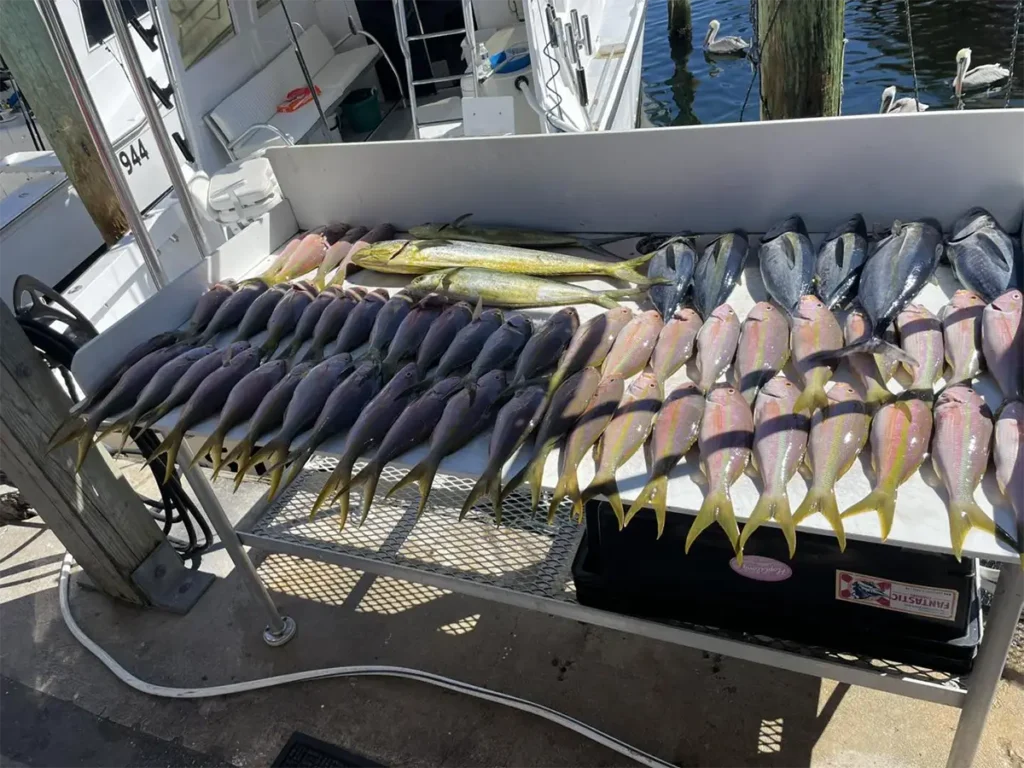
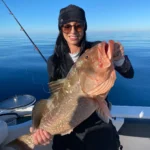
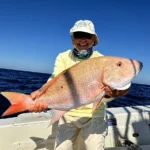
The species mix is broad. Yellowtail snapper remains a staple, often caught in chummed-up slicks behind anchored boats. Mangrove snapper,mutton snapper, black grouper, red grouper, porgies, cero mackerel, barracuda, and occasional amberjack on deeper wrecks round out the list. The USS Spiegel Grove, one of the largest artificial reefs in the Keys, sits in roughly 130 feet of water and holds big muttons and jacks when current conditions allow. Several lesser-known wrecks between Key Largo and Tavernier provide steady action using live pilchards, pinfish, and cigar minnows.
The reef’s main advantage is reliability and variety. Most anglers catch something, and the pace stays active. The scenery is classic Keys: shallow coral heads, clear water, and the visible line where turquoise water deepens into blue. Seasickness is possible on windy days, yet the short travel distance allows captains to reposition into calmer patches when needed. These trips cost roughly 600 to 1,000 for a half day and 1,000 to 1,600 for a full day depending on boat size and bait usage. Expect a mix of anchoring, drifting, and light-tackle action with the option to bring home fillets.
Deep Sea Offshore Fishing in Key Largo
Offshore trips run beyond the reef and into the deeper Atlantic, where cobalt-blue water and Gulf Stream influence shape the day. Key Largo’s offshore zones include the famous Islamorada Hump to the south and several minor humps toward Carysfort to the east. The run offshore can take twenty to forty minutes depending on seas and captain strategy. The horizon opens quickly, and the moment the reef line drops away, the ride becomes the classic offshore experience: open ocean, more motion, and the highest chance of seasickness among the three trip types.
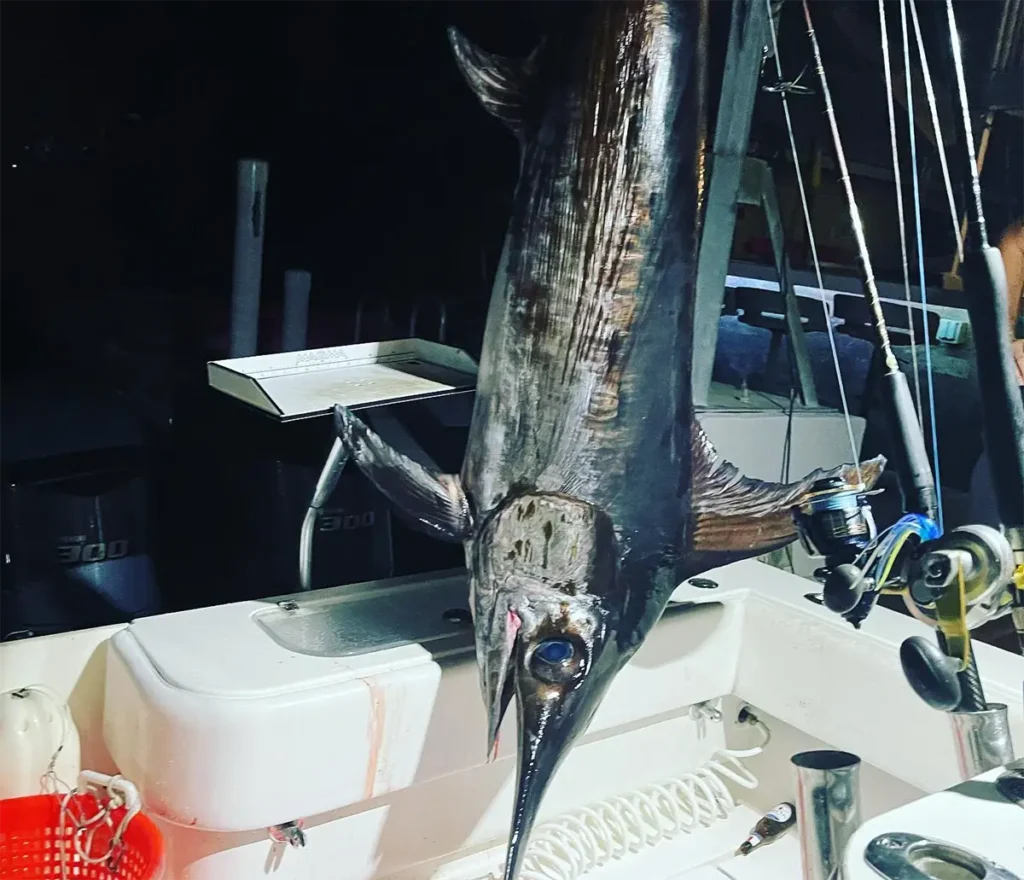
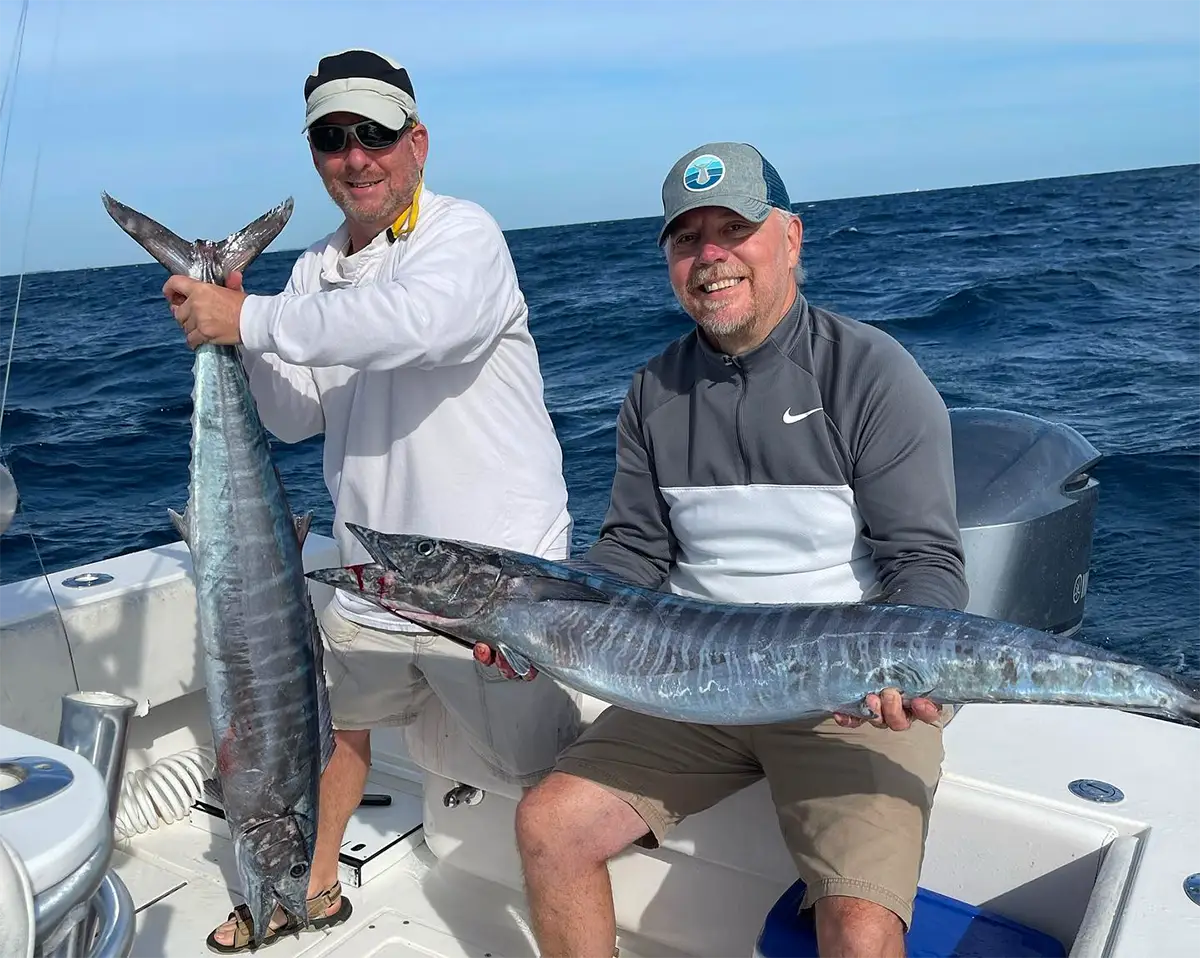
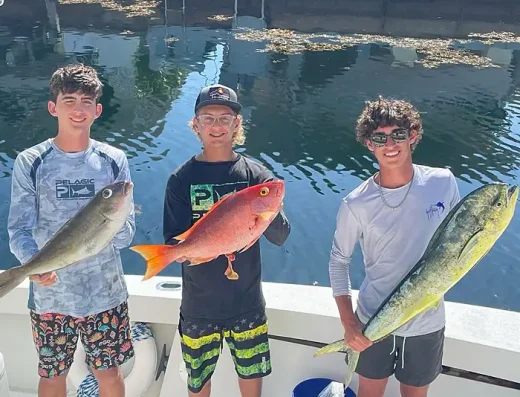
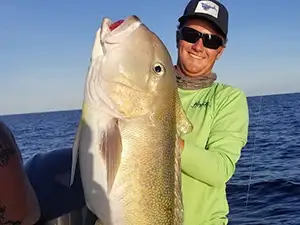
The species targeted are true pelagics: mahi-mahi in summer, blackfin tuna and skipjack on the humps, sailfish in winter, and occasional wahoo along color changes and current edges. When the weedlines form, captains scan for birds, flying fish, debris, and Sargassum mats that hold mahi. During winter sailfish season, kite fishing becomes the favored method, with live goggle-eyes or blue runners suspended under kites while the boat drifts along the reef edge. Deep dropping for tilefish,snowy grouper, and queen snapper is also possible on full-day runs using electric reels when the current cooperates.
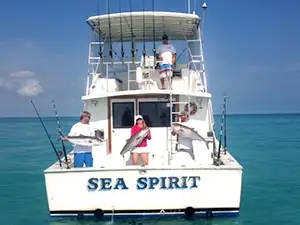
The advantage of a Key Largo offshore trip is access to pelagic migration pathways without long travel times. The Gulf Stream edges often sit only a few miles beyond the reef line, allowing shorter runs compared with more northern regions. Offshore trips cost the most due to fuel, bait, and boat size. Most half days fall between 900 and 1,400, while full days range from 1,600 to 2,400 depending on whether the trip involves the humps, kite spreads, or deep drop programs. Anglers should expect more travel time, larger seas, stronger fish, and a higher-adrenaline payoff when everything lines up.
Choosing the Right Key Largo Trip
Key Largo’s strength is its geographic balance. It offers quiet Everglades backcountry, high-action reef fishing, and legitimate bluewater opportunities all within short run-times of the marinas. Backcountry provides the calmest water and the most wildlife-driven scenery. Reef and wreck fishing delivers a mix of edible species and steady action. Deep sea trips offer the Keys’ classic big-water experience with tuna, mahi, and sailfish. Each trip type stands alone, and the best choice depends on whether an angler values comfort, variety, or the chase of open-ocean pelagics.