
Maine Fishing Charters
Maine fishing charters run the gamut—from striper trips in the tidal rivers to offshore tuna runs deep into the Gulf of Maine.
TrustedFish connects anglers with proven local captains in Maine —no commissions, no pay-to-play listings, no BS. Every charter on our platform is invite-only, vetted for skill, local knowledge, and reputation. If they’re listed, they’ve earned it.
Top Rated Charters in Maine
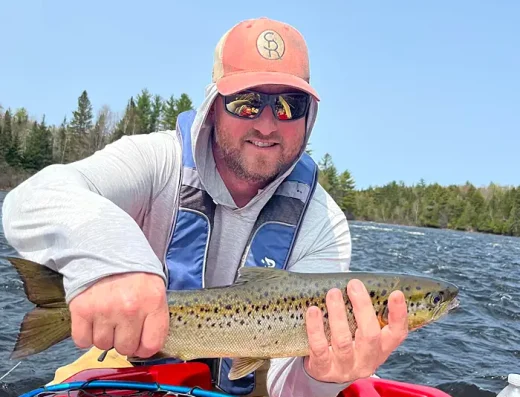
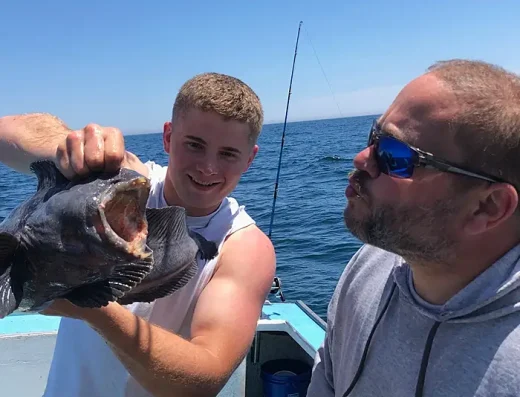
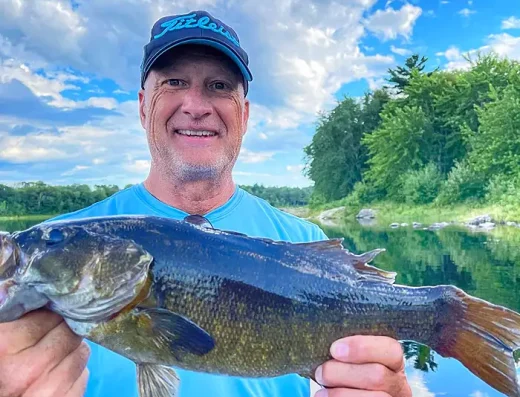
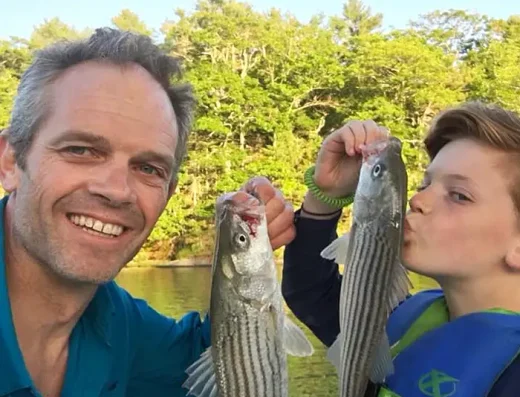
Maine Fishing Guide
Maine’s waters don’t hand you fish easy—but they’re worth working for. Inshore, you’ve got striped bass piling into the estuaries by late spring, especially around the Kennebec and Saco Rivers. Lobster boats double as striper rigs up here, drifting mackerel or casting topwater early mornings. Down east, the waters around Penobscot Bay and Mount Desert offer a mix of schoolie bass, pollock, and mackerel, with light tackle options on the calmer days. Most nearshore trips stick to half days and hug the coast.
Offshore, it’s a whole different game. Boats launching from places like Portland or Boothbay head 20 to 40 miles out to find bluefin tuna and shark in deep, cold water. You’ll be chunking or trolling with heavy gear—no messing around. Those runs can stretch into full-day slogs depending on where the fish are holding. Charters running offshore often monitor SST breaks hard, chasing temp changes and bait balls.
Freshwater’s not lacking either. Moosehead Lake up north is a solid bet for lake trout and salmon, while Sebago kicks out big togue year-round. Central Maine rivers like the Androscoggin and Penobscot hold decent smallmouth bass action, with fly and spin guides offering float trips during the warmer months. Ice-out brings lake trout and landlocks into the shallows, and plenty of locals troll sewn smelt or flatfish plugs early season.
Most ramps are tucked into harbors or lakeside towns—tight and practical. Live mackerel, sandworms, clams, and smelt are the go-to baits, though flies and plugs have their moments. Water stays cold even in summer, so fish movement lags behind southern states. Patience helps.
Regional Fishing Highlights
Casco Bay and Southern Coast
From Kittery to Portland, this stretch sees heavy striper traffic. Charters drift live mackerel or toss poppers at sunrise along the ledges, beaches, and river mouths. Some boats also offer half-day haddock and cod trips farther out. Rocky shoreline means structure fishing is key—rip lines, drop-offs, and mussel beds. July and August are peak.
Downeast and Mount Desert Island
Bar Harbor and the surrounding islands offer a mix of protected inshore bass and mackerel fishing with the occasional bluefish push in warmer years. Offshore trips target haddock, cusk, and sharks if the weather allows. Expect smaller charter operations, often running multi-species half-days close to land.
Midcoast Bays
Places like Boothbay Harbor and Rockland are solid launch points for full-day tuna runs. You’ll burn fuel heading to the fingers of deeper water offshore, chunking or trolling for bluefin. Inshore, striped bass work the river mouths and docks. Good groundfishing on the ledges—haddock, redfish, and the occasional halibut.
Western Lakes and Rivers
Sebago, Rangeley, and Moosehead lakes are prime for trout and salmon. Guides troll sewn smelt, DB Smelt spoons, or leadcore with streamers. Drift trips on the Kennebec or Penobscot chase smallmouth bass and the rare pike. Water’s cold and clear—light line, early starts, and long casts.
Fishing Seasons in Maine
Spring
Striped bass trickle into tidal rivers by late May, depending on snowmelt and temps. Freshwater lakes start firing with salmon and lake trout near the surface, especially right after ice-out. It’s prime trolling season—slow, steady pulls with live smelt or small spoons. Water’s still cold, but things ramp fast by June.
Summer
This is peak for inshore striped bass, with early mornings and tide swings producing best. Offshore, bluefin tuna show up strong mid-July onward. Groundfish like haddock and pollock are steady on the deeper humps. Freshwater lakes fish deep—downriggers or leadcore help. Smallmouth bass bite better in rivers where the flow stays steady.
Fall
Tuna push closer to shore, and fall stripers feed heavy before heading south. Mackerel stack up, and bluefish (if around) make a late blitz. Inland, landlocked salmon and togue rise in the water column again. Fly guys switch to streamers and bright buggers as the temps drop. This is the locals’ favorite window—less pressure, fish are hungry.
Winter
Hardwater season kicks off by January on most inland lakes. Togue and salmon under the ice on Sebago and Moosehead, using live smelt and jigging spoons. Coastal fishing is quiet—most charter boats are hauled out. A few diehards chase cod or cusk on the offshore ledges when the weather cooperates, but it’s rare.
Most Popular Gamefish in Maine
- Striped Bass – 20–40 inches. Caught in tidal rivers and coastal structure using mackerel, topwater plugs, and soft plastics.
- Bluefin Tuna – 100–700+ lbs. Offshore 20–50 miles using chunking rigs, spreader bars, and kite baits.
- Lake Trout (Togue) – 18–30 inches. Deep lakes like Sebago and Moosehead; trolled with smelt or jigged with spoons.
- Landlocked Salmon – 16–24 inches. Found in coldwater lakes and rivers; hit sewn smelt and streamer flies.
- Smallmouth Bass – 12–20 inches. Central and western rivers using jigs, tubes, or flies around boulders and eddies.
- Atlantic Mackerel – 10–16 inches. Found nearshore in summer, caught on sabiki rigs and light tackle.
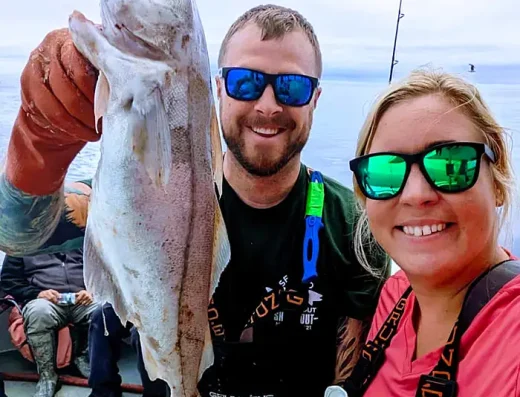
- Haddock – 16–22 inches. Offshore bottom fishing with bait rigs over deep humps and ledges.
Maine Fishing FAQs
Do I need a fishing license in Maine?
Yes—saltwater fishing requires a free registry for residents and non-residents. Freshwater licenses are required for anyone 16 or older and can be bought online or at local shops.
When is the best time to fish for striped bass in Maine?
June through August is prime, especially during early morning or dusk tides. Look for them around river mouths, rocky points, and flats.
Can I keep bluefin tuna caught in Maine waters?
Only if the charter has a federal permit. There are strict quotas and size rules, and most tuna are catch-and-release or sold commercially by the boat.
Are there fishing charters in Bar Harbor?
Yes—mostly small-boat operations doing inshore bass, mackerel, and haddock trips. Offshore trips are less common due to distance and weather windows.
What bait works best for lake trout in Maine?
Live smelt is top choice. Otherwise, white tube jigs, spoons, and trolling plugs like Flatfish or Mooselooks work well.
Is fly fishing popular in Maine?
Very. Rivers like the Kennebec and Penobscot hold good smallmouth and trout action. Streamers and nymphs are solid choices from spring to fall.
What kind of boats are used for offshore Maine charters?
Mostly 30–40 foot downeast hulls or sportfishers, rigged for tuna and rougher seas. Some run dual outboards for speed to the grounds.
Can you ice fish in Maine?
Absolutely. Lakes like Moosehead and Sebago are popular. Target togue, cusk, and salmon using live bait and jigging spoons under the ice.
What’s the difference between fishing Casco Bay and Downeast?
Casco Bay sees more striper action and charter options. Downeast has less pressure but also fewer boats—better if you want space, tougher if you want options.