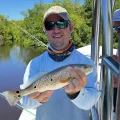
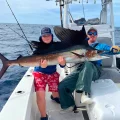
December in Islamorada, at the heart of the Middle Florida Keys, delivers one of the most balanced and reliable fishing patterns of the year. Positioned between the Atlantic Ocean and Florida Bay, Islamorada offers immediate access to offshore blue water, reef systems, patch reefs, and expansive backcountry flats. As winter settles in across South Florida, water temperatures cool slightly but remain stable enough to keep multiple fisheries active at the same time.
Cold fronts pass through regularly in December, but the Middle Keys are less affected than mainland Florida. When fronts arrive, fish shift position rather than disappear. Offshore species track current edges and temperature breaks, reef fish feed aggressively in clearer water, and backcountry species settle into predictable winter holding areas. December rewards anglers who understand how to pivot between fisheries based on wind direction, tide stage, and daily weather changes.
Offshore Fishing in Islamorada
Offshore December Conditions
Sailfish activity increases along the reef edge
Blackfin tuna remain consistent around humps and current lines
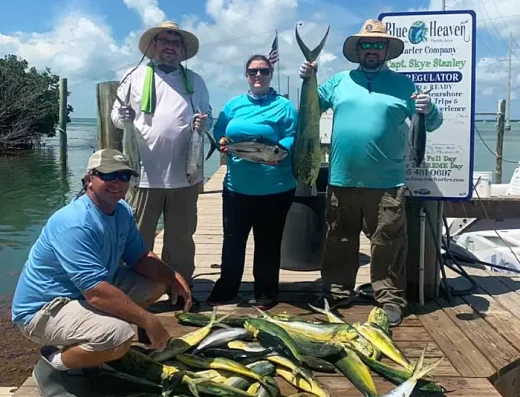
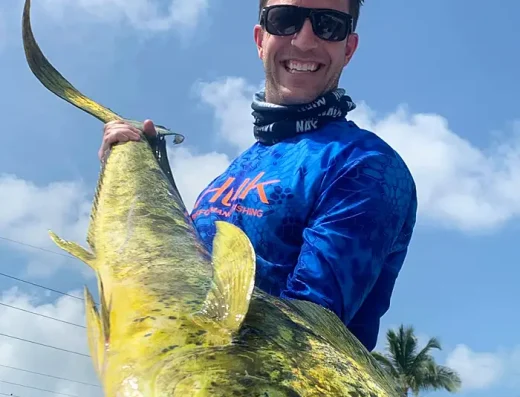
Mahi mahi appear around debris and weed patches
Wahoo action improves following cold fronts
Calm weather allows regular access to offshore structure
Current strength plays a major role in daily success
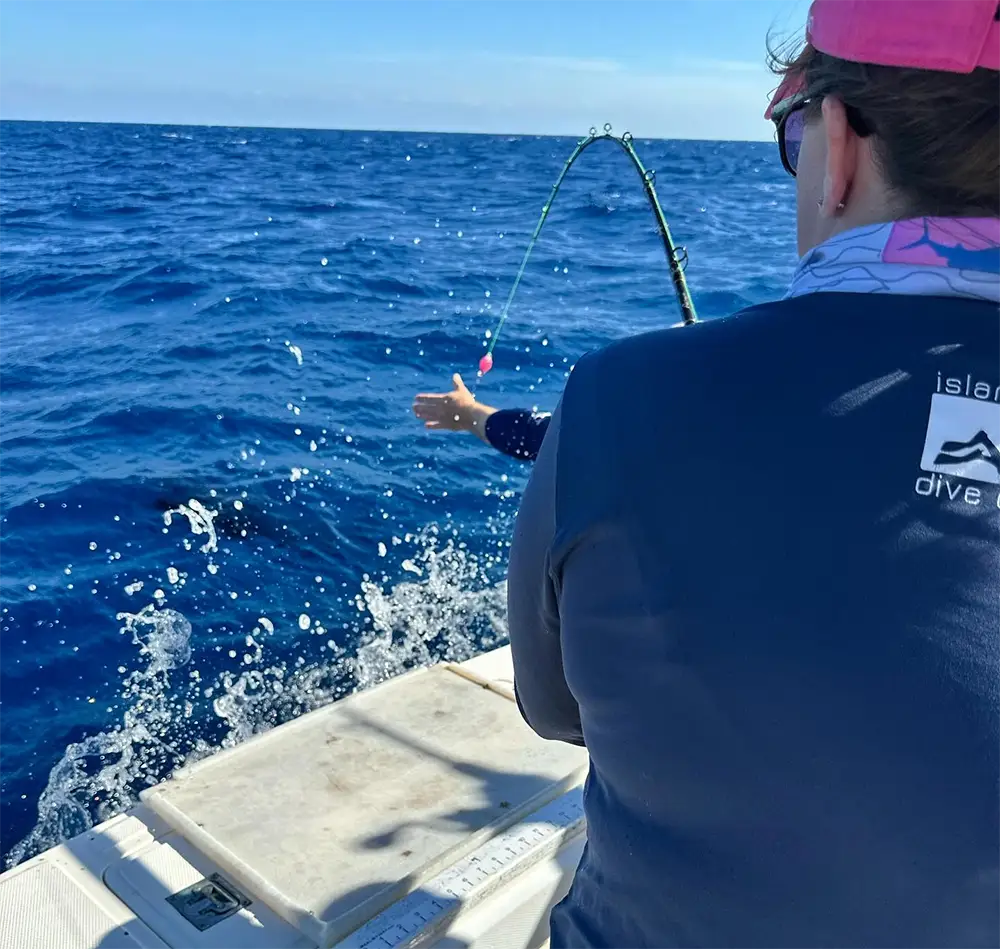
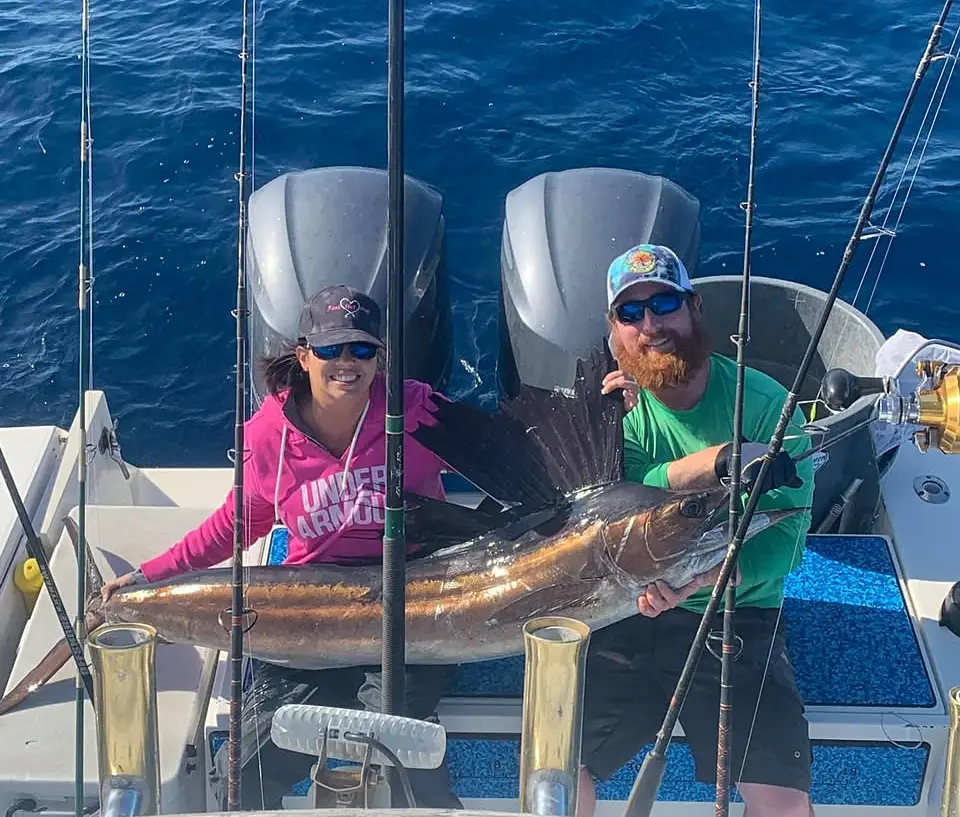
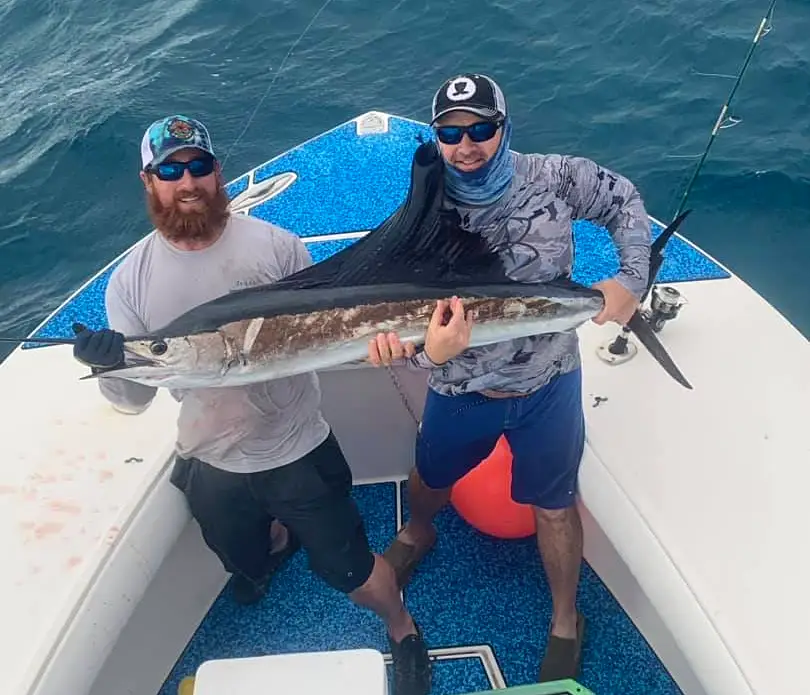
December marks the start of peak sailfish season in Islamorada and the Middle Keys. Winter current strengthens along the reef edge, creating defined travel lanes for sailfish moving through the Florida Keys. These fish respond well to kite fishing with live ballyhoo and pilchards when wind conditions allow. On calmer days, drifting live baits or slow trolling remains effective.
Blackfin tuna continue to provide steady action throughout December, particularly around the humps east of Islamorada. Jigging during early morning and late afternoon tide changes produces consistent bites. Live chumming with pilchards often brings tuna close to the boat, creating fast-paced action when schools rise.
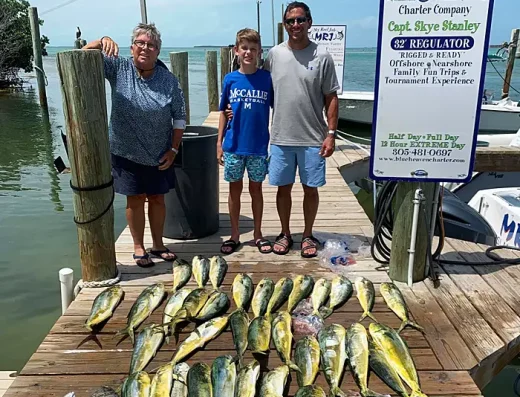
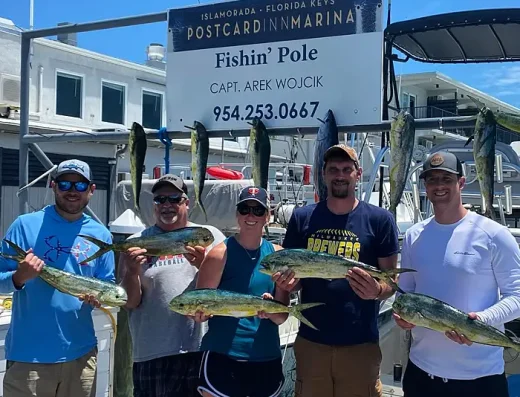
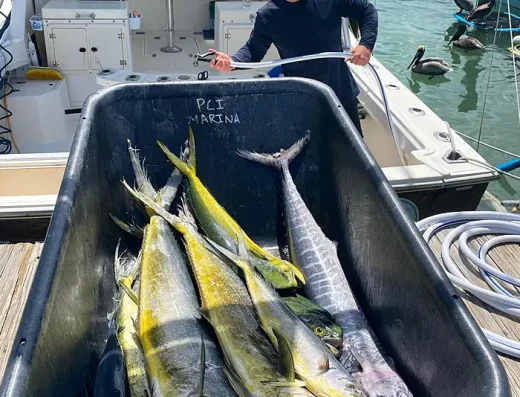
Mahi mahi are less concentrated than during summer months but still show up around floating debris, weed lines, and current breaks pushed in by winter weather. These fish often hold slightly deeper in December, making jigs and subsurface baits effective.
Wahoo activity improves significantly during cold fronts. As water temperatures dip, wahoo patrol drop-offs and current edges. High-speed trolling and deep-running lures work best when seas are manageable. Offshore success in December often depends on selecting the right current line rather than running long distances.
Reef and Patch Reef Fishing
Reef Fishing Conditions
Yellowtail snapper feed aggressively in clear winter water
Mutton snapper remain present on deeper reef edges
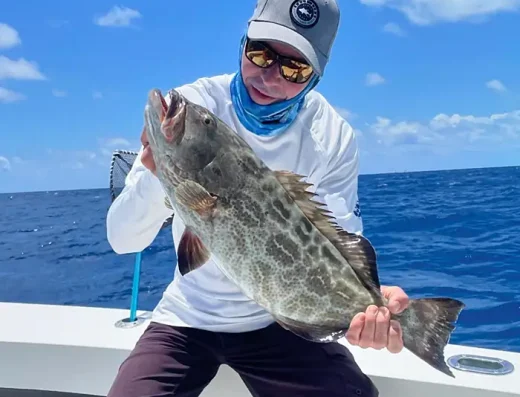
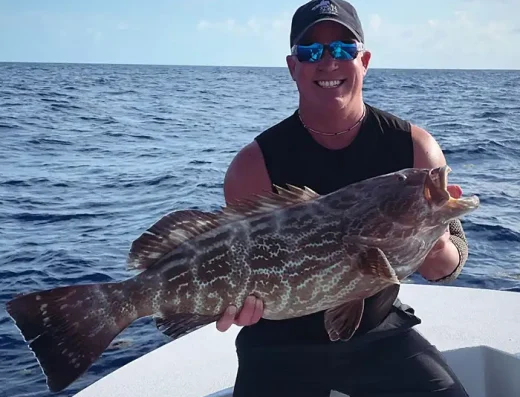
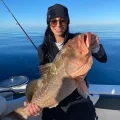
Grouper hold tight to structure depending on regulations
Patch reefs provide steady mixed-species action
Light to moderate current favors chumming strategies
Clear water improves visibility and bite consistency
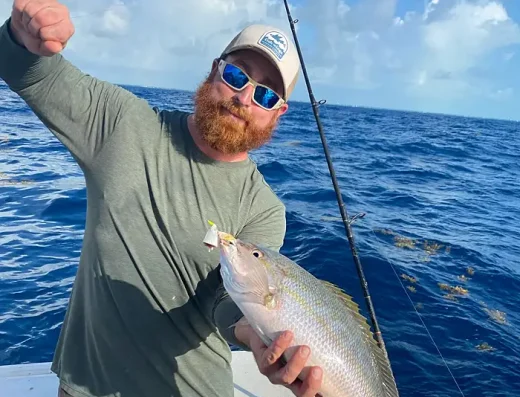
Reef fishing remains a cornerstone of December trips in Islamorada and the Florida Keys. Cooler water and improved clarity bring yellowtail snapper into predictable feeding patterns. These fish suspend in the water column and respond well to controlled chum lines. Light fluorocarbon leaders and natural bait presentations increase hookups.
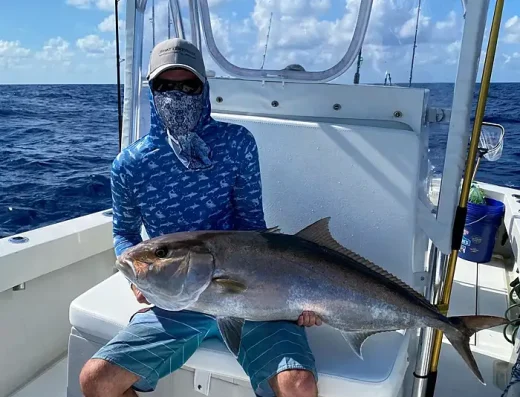
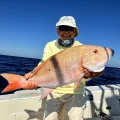
Mutton snapper continue to hold along deeper reef edges and patch reefs. They respond best to live baits fished close to structure. These fish are opportunistic feeders in winter and often strike during tide changes when current picks up.
Patch reefs closer to shore provide excellent options when offshore conditions are rough. These areas hold snapper, porgies, and other reef species and are especially productive during moderate current periods. December reef fishing favors patience, proper anchoring, and careful bait management more than aggressive movement.
Backcountry and Florida Bay
Backcountry December Patterns
Bonefish remain active in deeper flats and basins
Redfish and snook move into channels and structure
Sea trout gather in deeper basins and sandy potholes
Permit numbers drop but fish remain present
Calm afternoons offer the best sight-fishing conditions
Temperature stability dictates fish positioning
The backcountry waters of Islamorada and Florida Bay continue to fish well throughout December. Bonefish remain active but shift toward deeper flats, basins, and channels where water temperatures remain stable. These fish feed best during mid-day warming periods and on incoming tides.
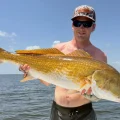
Redfish become more predictable in winter. They move into channels, mangrove edges, and deeper cuts where they conserve energy. These fish respond well to live shrimp, cut bait, and slow-moving soft plastics. Snook follow similar patterns, holding close to structure and ambush points.
Sea trout fishing improves significantly during December. Trout school tightly in deeper basins, potholes, and along channel edges. Slow presentations under popping corks or soft plastics fished near the bottom produce consistent results.
Permit opportunities decrease compared to warmer months, but fish still appear around deeper flats and channel edges during calm weather. Sight fishing remains possible on sunny afternoons when visibility improves.
December Outlook for Islamorada and the Middle Keys
What to Expect in December
Offshore sailfish and tuna remain primary targets
Reef fishing stays strong with snapper activity
Backcountry fishing favors deeper, protected water
Cold fronts reposition fish rather than shut down action
Midday warming improves bite windows across fisheries
Flexibility produces the most consistent results
December 2025 offers one of the most dependable fishing months in Islamorada and the Middle Florida Keys. Offshore anglers enjoy consistent sailfish, tuna, and wahoo opportunities when weather allows. Reef fishing remains reliable thanks to clear water and active snapper populations. The backcountry continues to produce bonefish, redfish, snook, and sea trout for anglers who adjust to winter positioning.
Islamorada’s strength in December is versatility. With quick access to ocean, reef, and bay waters, captains can adapt daily to conditions and keep anglers on fish. As part of the broader Florida Keys ecosystem, the Middle Keys remain one of the few winter destinations where fishing stays productive across multiple styles throughout the month.