December 2025 brings one of the most predictable seasonal patterns to the upper Florida Keys. Cooler air from repeated cold fronts meets the warm Gulf Stream influence just offshore, creating strong temperature gradients that drive bait and predator movements throughout the month. The mix of Atlantic blue water on one side and Florida Bay on the other gives Key Largo an unusually diverse December fishery. Offshore crews target sailfish, mahi, wahoo,blackfin tuna, and reef species, while backcountry captains work snook,redfish, sea trout,mangrove snapper, and Spanish mackerel. December consistently delivers a split fishery where both the ocean and bay produce at the same time.
The month begins with a cooling trend that sharpens thermoclines offshore. Sailfish push along the reef edge as bait gathers in tight schools. The Atlantic side experiences strong north current days with clean water, while the Gulf side benefits from warming trends between fronts that trigger feeding across the banks and channels. With stable wind periods and manageable seas, December becomes one of the most productive months for Key Largo captains who understand how to read each shift in weather, tide, and clarity.
Offshore and Reef Line Action
Summary of Offshore Conditions
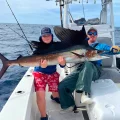
December is peak sailfish season in Key Largo, with consistent early morning and tide-change activity
Sailfish track ballyhoo showers along the reef edge during north current days
Live ballyhoo, pilchards, and kite presentations produce the most reliable strikes
Mahi mahi hold along color changes, weed patches, and debris pushed in by winter currents
Wahoo run the 150 to 300 foot contours, especially after strong cold fronts
High speed trolling and planer rods increase wahoo hookups in December
Blackfin tuna gather around humps and ridges, feeding aggressively during low-light windows
Jigging and live chumming with pilchards trigger fast blackfin boils
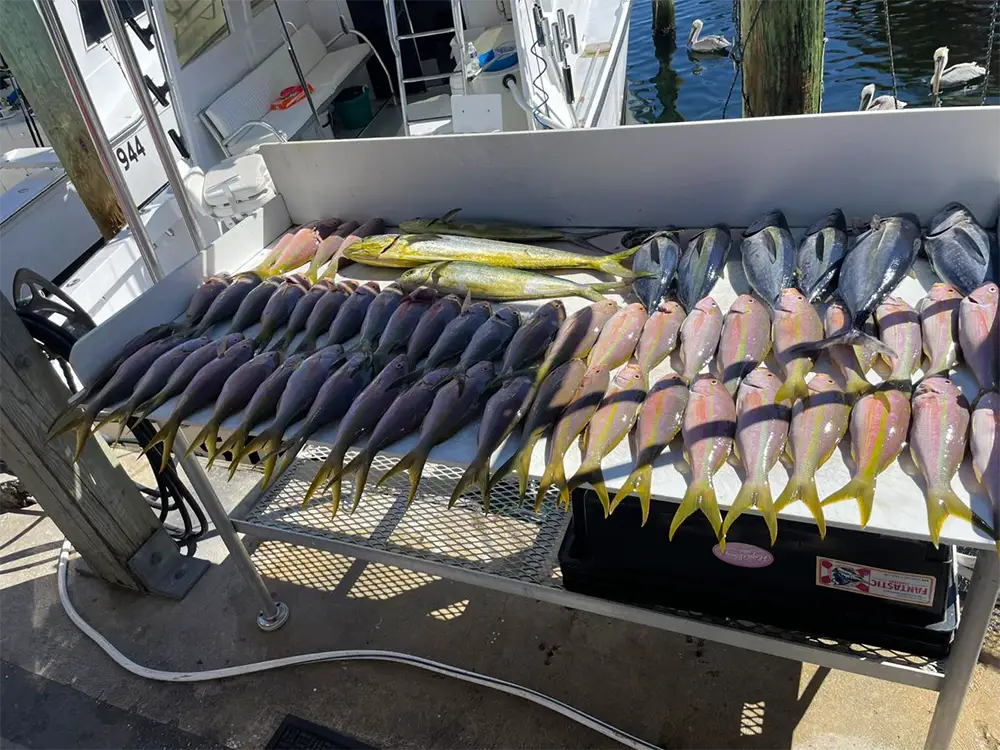
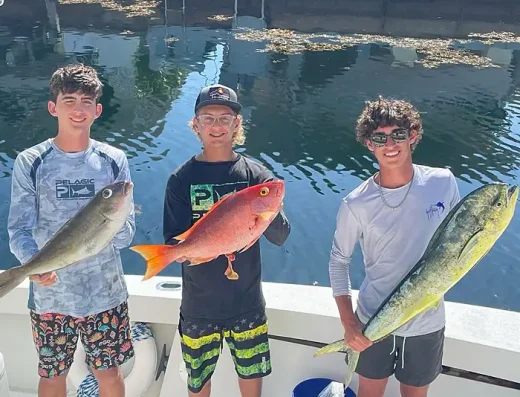
Reef snapper species feed well in cooler water, including mutton, lane, vermilion, and yellowtail
Moderate current creates ideal feeding lanes along the reef
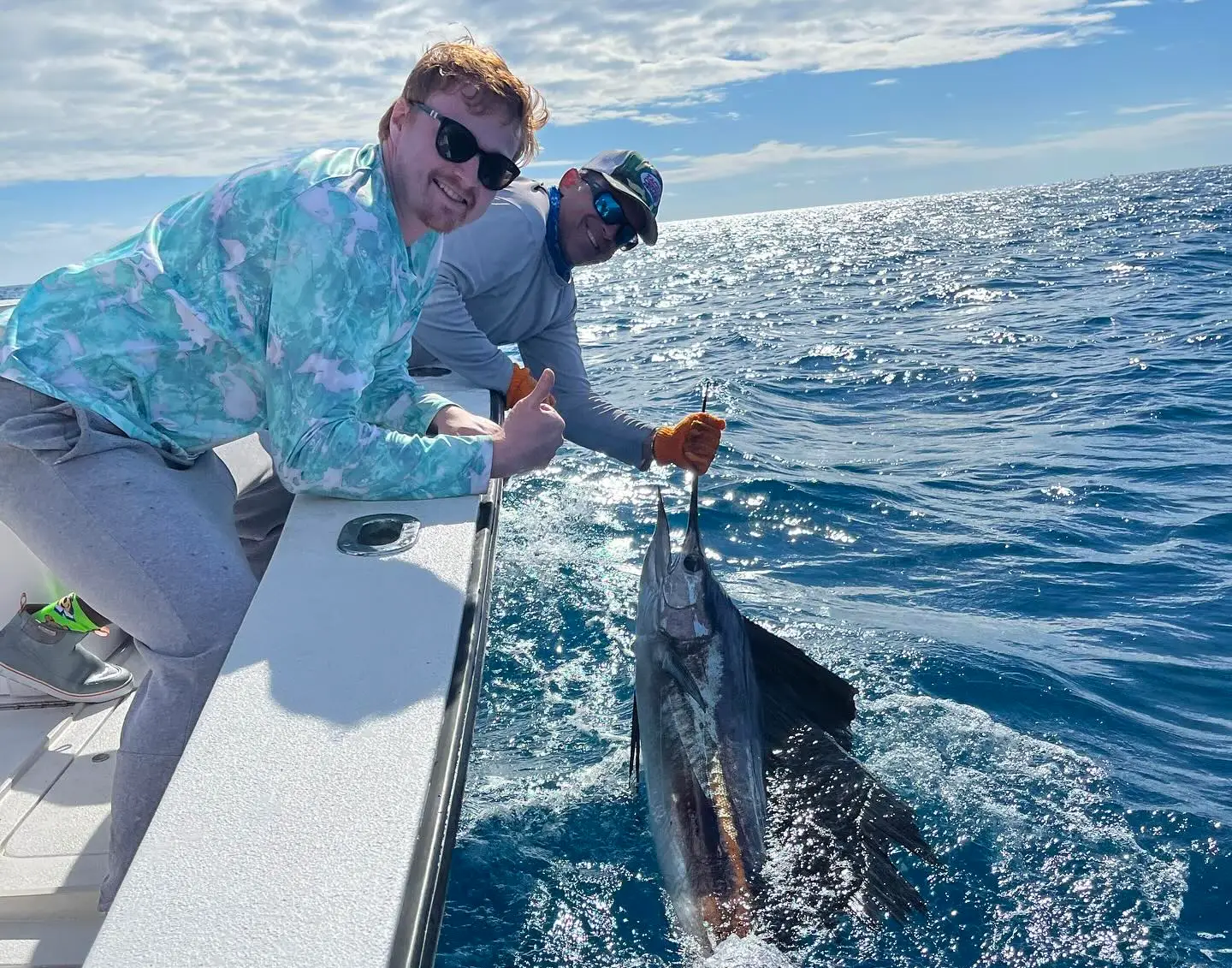
December marks the height of early season sailfish activity in Key Largo. Packs of sails travel along the reef line as they migrate south through the Keys, following showers of ballyhoo and threadfin. Live baits on the kite remain the preferred method on windy days. Slow drifting with live ballyhoo or pilchards produces steady results on calmer mornings. Sailfish often feed aggressively during the first tide change of the day, especially when water clarity improves and bait schools rise closer to the surface.
Mahi mahi numbers vary in December but remain reliable enough for steady action around color changes, weed patches, and drifting debris pushed in by offshore weather systems. Fish frequently hold deeper in the column, and small jigs or baits dropped just below surface activity improve catch rates. Birds working over isolated rips often reveal mahi traveling in small packs.
Wahoo action improves with each passing cold front. These fish travel fast along the edge of the reef, striking trolled baits and high speed lures. Many captains run split spreads with a planer rod drawing a bait deep while a second set of surface lures covers the upper column. December wahoo often hold between 150 and 300 feet of water along contour transitions.
Blackfin tuna remain active along the humps. Jigging produces explosive feeds, especially during low light hours or strong current cycles. Live chumming with pilchards creates stacked tuna rises close to the boat. December consistently brings mid-size tuna that respond well to both vertical and surface presentations.
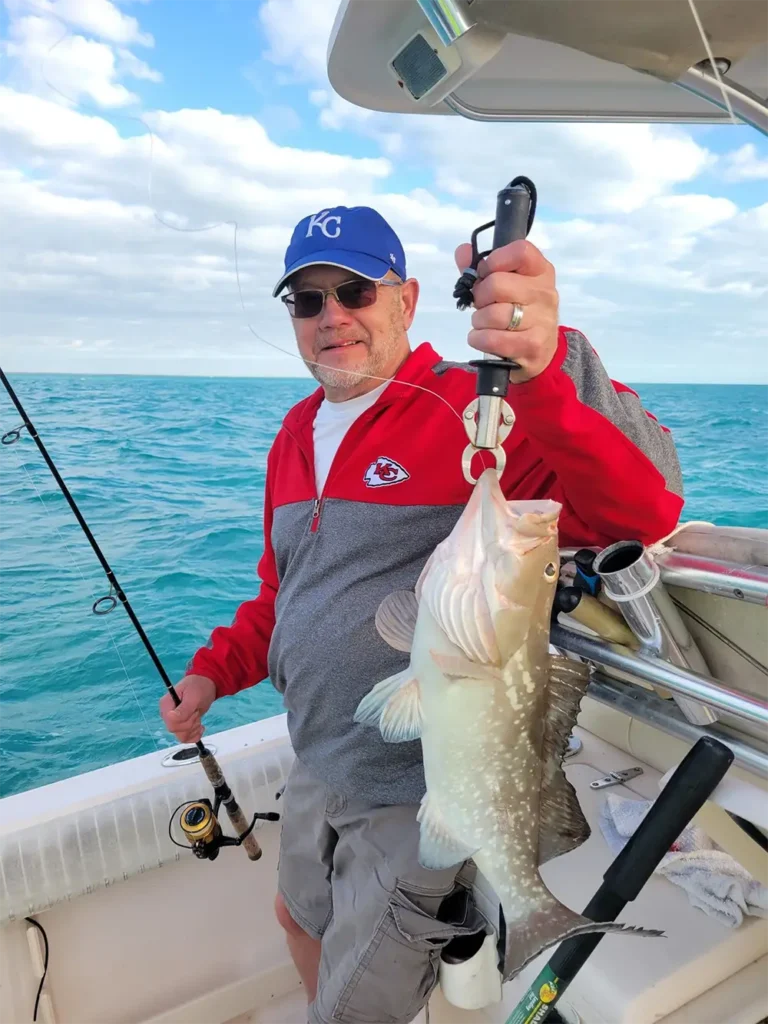
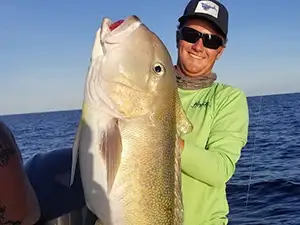
Bottom fishing strengthens in cooler water. Vermilion, lane, mutton, and yellowtail snapper feed more aggressively as temperatures drop. Moderate current creates predictable feeding lanes where these snapper move off structure and into more accessible positions. Light chumming over the reef produces quick yellowtail action, while bottom rigs with live or cut bait target larger snapper species.
Nearshore Patch Reefs and Ocean Side
Summary of Patch Reef and Shallow Ocean Conditions
Summary of Patch Reef and Shallow Ocean Conditions
Cero and Spanish mackerel feed aggressively in chum lines during rising currents
Yellowtail and mutton snapper respond well to natural drifts over patch edges
Small grouper, jacks, and barracuda remain active on rocky patch habitats
Patch reefs provide a dependable fallback option during windy offshore days
Ocean side flats hold barracuda and jacks hunting along sand and grass transitions
Rising midday tides produce shots at permit and occasional pompano
Light tackle drifting with shrimp or small baits yields steady mixed-species action
The nearshore patch reefs off Key Largo become highly productive throughout December. Cooling water concentrates bait, especially ballyhoo, around shallow coral heads. Anchoring up-current and establishing a stable chum line quickly brings predators within range. Cero and Spanish mackerel slash through bait clouds, and their aggressive feeding creates ideal opportunities for spoons, small jigs, or fast drifting baits.
Yellowtail snapper rise in the chum slick and feed actively during moderate current cycles. Mutton snapper work deeper along the patch edges, responding well to live shrimp or small pinfish fished near the bottom. Juvenile grouper, jacks, and barracuda round out the action.
Patch reefs also provide a crucial fallback option when offshore seas become too rough. The protected shallow water still offers steady fishing with high species variety. Ocean side flats hold barracuda and jacks hunting along grass and sand transitions, and midday rising tides create chances at permit or pompano. Light tackle drifting with shrimp or small live baits produces nonstop action for mixed skill groups.
Backcountry and Florida Bay
Summary of Backcountry Conditions
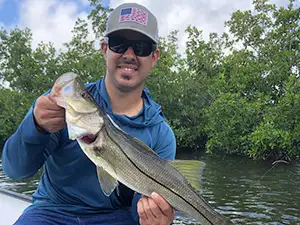
Snook gather in warm, protected creeks, basins, and channels for temperature stability
Soft plastics, live shrimp, and pinfish produce reliable snook strikes
Redfish hold along oyster bars, mangrove edges, creek mouths, and grass banks
Natural baits fished slowly excel in cooler water conditions
Sea trout school in potholes, channels, and deeper basins throughout December
Trout feeding increases during midday warm-up periods
Spanish mackerel concentrate in channels between banks in strong numbers
Glass minnow or cut bait chum lines draw mackerel close for fast hookups
Mangrove snapper stay active across structure and shoreline points
Water clarity shifts after cold fronts create predictable backcountry movement
Backcountry fishing in Key Largo reaches a seasonal high during December. Cooler water pulls fish into stable, predictable zones throughout Florida Bay. Snook shift into creeks, channels, and protected coves where temperatures hold several degrees warmer than open water. These fish respond best to slow, deliberate presentations using soft plastics, shrimp, or small pinfish.
Redfish feed along oyster bars, creek mouths, grass banks, and mangrove edges. Natural baits slowly worked along the bottom remain the most productive option during the early part of the day. Sight fishing improves when water clarity stabilizes after a front.
Sea trout become increasingly concentrated in sandy potholes and deeper basins. Morning temperatures slow feeding, but the bite strengthens significantly by midday. Soft plastics under popping corks or drifting rigs produce steady catches.
Spanish mackerel push into the channels between banks and feed aggressively in December. Establishing a chum slick draws schools tight to the boat and allows for rapid casting into the pack. When mackerel cut rigs frequently, short wire leaders improve catch efficiency without reduced strike rates.
Mangrove snapper remain consistent throughout Florida Bay. These fish position themselves along channel banks, mangrove points, and structure edges. They respond quickly to live shrimp and small baits, especially during warmer periods between fronts.
December Outlook
Summary of December Expectations
December offers strong fishing on both ocean and bay sides
Offshore highlights include sailfish, wahoo, blackfin tuna, and scattered mahi
Patch reefs deliver steady mixed-species action with reliable ballyhoo presence
Backcountry trips produce excellent snook, redfish, sea trout, and mackerel fishing
Bait density remains high across both ecosystems throughout the month
Weather windows determine whether ocean or bay performs best each day
Versatile boats and crews see the most consistent results
December remains one of Key Largo’s most productive winter fishing months
December 2025 delivers one of the most reliable mixed fisheries of the year. Offshore crews experience steady sailfish action, consistent wahoo opportunities, and regular tuna feeds around humps and deep structure. Patch reefs provide backup options with high species diversity. Backcountry anglers enjoy excellent snook, redfish, trout, and mackerel fishing as bait concentrations strengthen across Florida Bay.
With stable weather, abundant bait, and predictable movement patterns, December remains one of the strongest months for Key Largo anglers. Both ocean and bay sides produce equally well depending on wind and tide direction. As long as anglers remain adaptable and observant, December closes out the year with consistent action across every major fishery.
Key Largo Fishing Charters
If you want updated conditions or are ready to get on the water, the guides listed below run daily trips in the Key Largo area. These captains track offshore and backcountry patterns throughout December and can point you toward the most productive reefs, channels, or flats for the conditions on the day you book.