December is one of the most stable and reliable fishing months on the Kona coast. While much of Hawaii experiences winter shifts in wind, swell, and water clarity, Kona sits protected by the massive bulk of the Big Island. This creates a calm-water corridor that remains accessible almost every day of the month. Sea conditions stay predictably flat, water temperatures hold in the upper 70s, and the offshore structure lines remain loaded with bait.
December does not produce the peak of any single fishery, but it is one of the only times when nearly every fishery, including blue marlin, striped marlin, mahi mahi, ono, tuna, and deep-drop snapper, remains active at the same time. For Kona operations, December is defined by versatility and steady production.
The month typically begins with a cooling trend offshore. Temperature breaks form more sharply, and the early season presence of striped marlin becomes more noticeable. Large currents running north and south along the leeward drop-off carry weed lines, debris, and pockets of bait that accumulate along deeper contour edges.
These conditions are ideal for mahi mahi and ono, and crews who watch for color changes, slick lines, and bird activity consistently find scattered but dependable pelagic traffic. Because Kona waters remain unusually calm compared to much of the Pacific, boats can cover long stretches and run clean trolling patterns from daybreak to late afternoon. This level of consistent access is rare in winter fisheries.
Offshore Pelagic Action
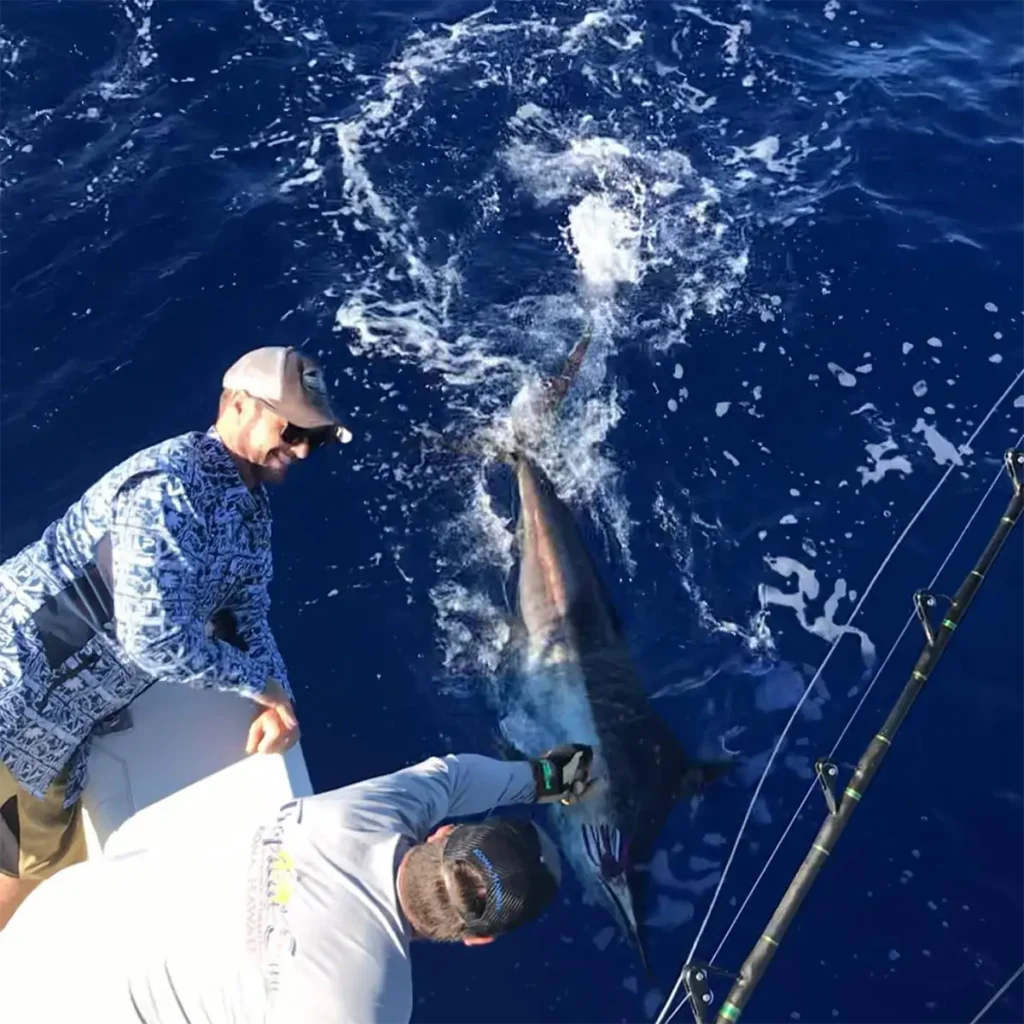
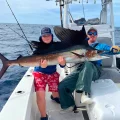
December blue marlin behavior is shaped by stable conditions and moderate water temperature shifts. Most fish fall in the 120 to 300 pound class, with occasional larger fish mixed in. The colder offshore pockets do not push marlin out of the area, but they reposition them along major contour lines and deeper sections of traditional trolling lanes. Heavy lure spreads remain the most effective method, and the calm seas allow boats to run lures at optimal distance and height with minimal interference. December marlin are often aggressive feeders, particularly along the 1,000 fathom line west of Honokōhau and along northern drop-offs where current pressure is strongest.
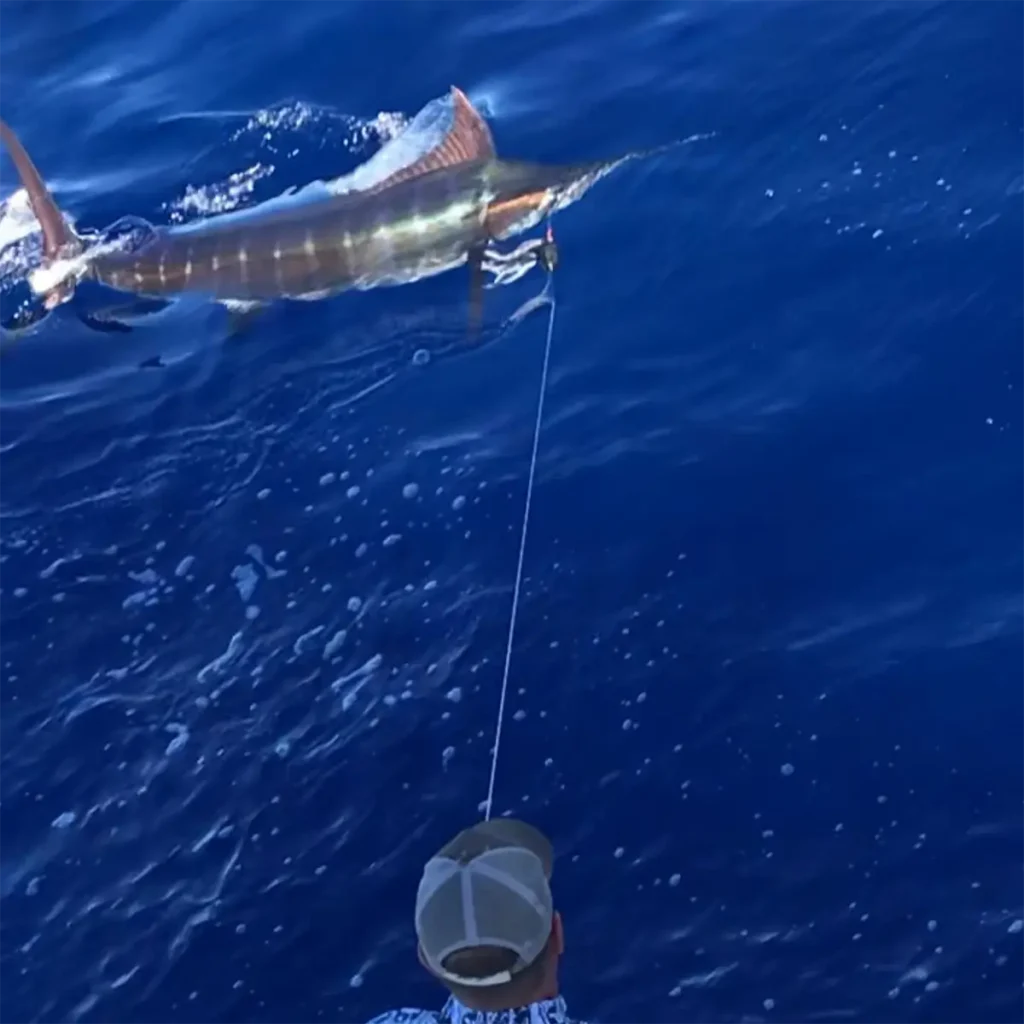
Striped marlin activity begins to build during December. The month does not represent the peak of the striped marlin season, but it consistently delivers the first reliable pushes of the year. Pairs of fish often rise into spreads, especially when boats pull smaller profile lures or deep-running baits. Crews working toward The Grounds or along contour transitions to the north report steady early season activity. As the water cools further toward January, striped marlin encounters increase weekly.
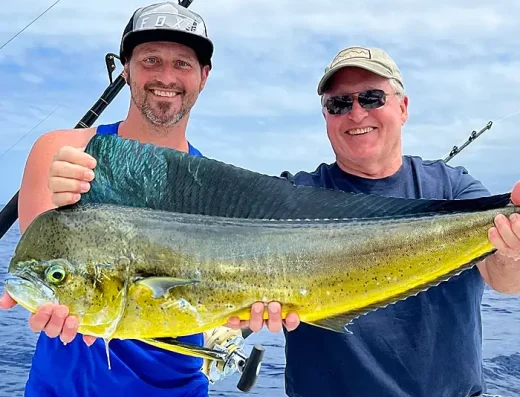
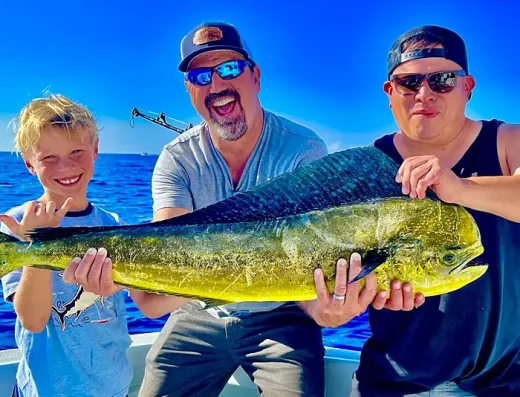
Mahi mahi numbers rise whenever offshore debris gathers along current seams. Storm-driven materials drift into Kona waters and accumulate against pressure lines, forming long stretches of floating structure that hold bait and predators. Mahi mahi often school around even minor debris, and they respond quickly to both trolling lures and cast baits. December mahi mahi tend to run in small to medium sized groups, with larger bulls appearing near major FADs or substantial debris fields.
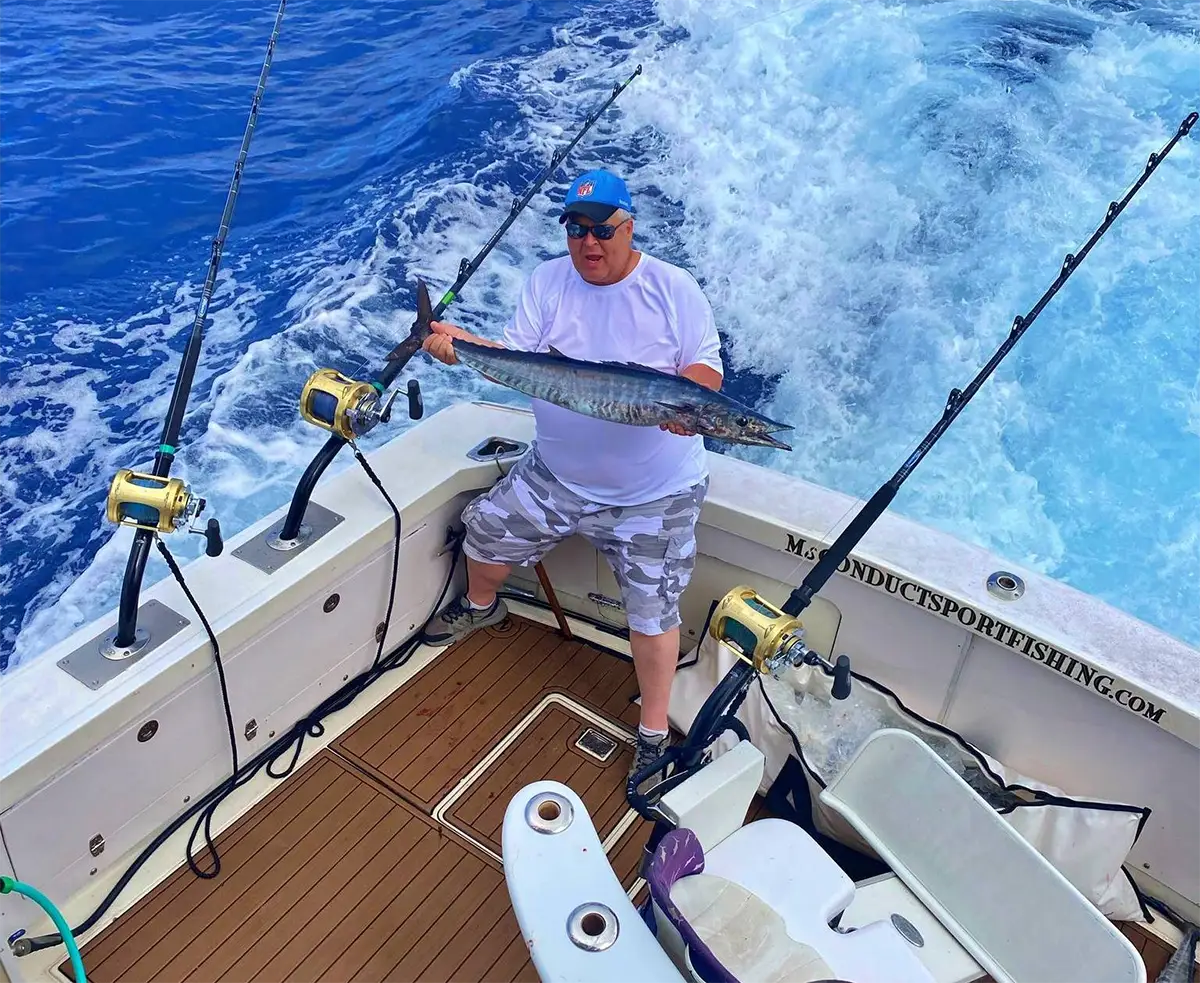
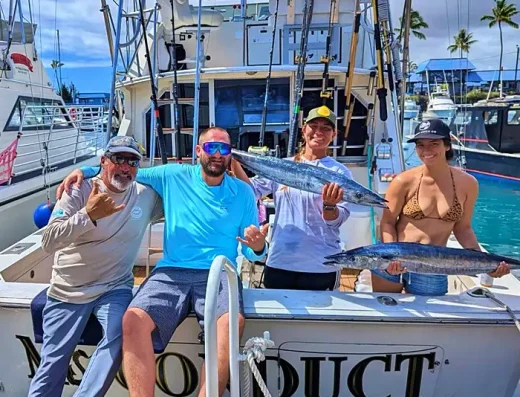
Ono stack along structure edges where the current pushes with the greatest force. December is not the peak season, but the month provides consistent single and double hookups along ledges north of the airport and across southern transition zones. Deep diving lures and weighted baits run at higher speeds produce the most reliable action. The relatively calm seas allow lures to track cleanly, giving December ono fishing a measurable advantage over windier months.
Yellowfin tuna patterns are mixed but dependable. Large ahi are less predictable in December, but small and mid-size yellowfin and skipjack remain active around FADs and along temperature breaks. These fish often school tightly, allowing for rapid fire action once a productive area is located. Birds circling high or diving intermittently usually reveal bait stacks with active tuna beneath. Boats that shift from trolling to live-baiting during midday hours often replace slow periods with steady tuna activity.
Deep Drop and Bottom Fishing
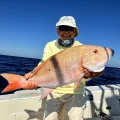
Deep drop fishing in Kona benefits heavily from December weather. Calm seas are essential for successful deep-dropping, and the month delivers them with unusual consistency. The steep coastal drop-off holds onaga, ehu, opakapaka, and other snapper species in predictable depth ranges from 600 to 900 feet. December currents tend to settle into moderate patterns, which creates long, productive drifts. Strong currents push fish tight to structure, reducing catchability, while weak currents spread schools across the bottom. December typically offers the ideal middle ground for bottom action.
Onaga and ehu are the primary targets, but the fishery also yields a variety of jacks, groupers, and reef species depending on the structure type. Spot lock systems and bow mounted positioning tools benefit smaller boats, although traditional drift methods remain highly effective due to the consistent sea state. Subtle bottom features create some of the most productive zones, including coral shelves, broken ledges, and seamount edges. Proper weighting and spacing of baits matter more than usual during December, since these fish are highly responsive to clean, stable presentations.
Amberjack and giant trevally remain active around deeper pinnacles and offshore high relief features. These predators respond to both jigs and live bait. Cooler water often pushes them deeper, but they remain aggressive. Jigging crews find success working metal jigs through mid-depth columns near structure marks along the deeper edges of the Kona coastline. December remains a strong month for boats willing to combine trolling and vertical techniques.
Deep drop fishing also serves as a strategic shift when pelagic fishing slows. Many captains switch between trolling lanes and targeted bottom passes depending on bait presence, current patterns, and sun position. This kind of tactical switching is one reason December delivers steady results even during unpredictable pelagic windows.
December Outlook
December consistently delivers a balanced Kona fishery. The calm seas and stable temperatures allow for long, uninterrupted offshore days. Blue marlin remain steady targets, striped marlin increase throughout the month, and mahi mahi appear along current seams and debris lines. Ono provide reliable structure based action, while tuna around FADs fill in the midday hours with consistent smaller class fish. The deep drop fishery is one of the strongest anchors of the month, providing predictable snapper and jack action through most weather and current cycles.
Kona’s December landscape rewards boats that remain adaptable. Some days are defined by steady trolling along the major offshore lines, while others require switching to bait, jigging, or bottom techniques. Because weather rarely shuts down offshore access, December stands out as one of the most productive winter periods anywhere in the central Pacific. For both traveling anglers and local boats preparing for the early striped marlin run, December offers reliable multi species action and some of the most forgiving sea conditions of the year.