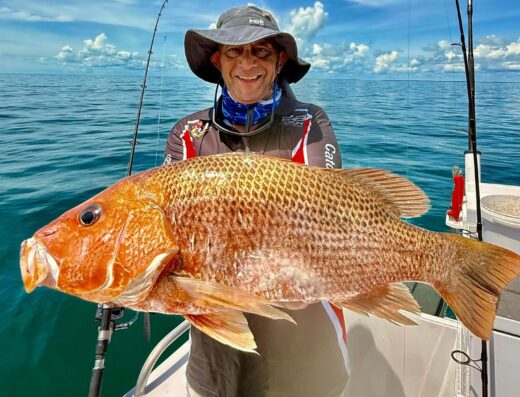
A sequence of northeast winds and steady cold fronts has locked Tampa Bay and the St. Petersburg coastline into a defined winter pattern. Water temperatures are stabilizing in the 63–67 degree range depending on tide phase, with the warmest pockets found mid-afternoon inside protected cuts. Water clarity is higher than normal across the lower bay, which is influencing both bait movement and strike behavior. Most fish are holding tighter to structure, and feeding windows are heavily tide-dependent. The colder nights have also concentrated bait deeper, spreading predators vertically rather than across broad flats.
Inshore
Redfish
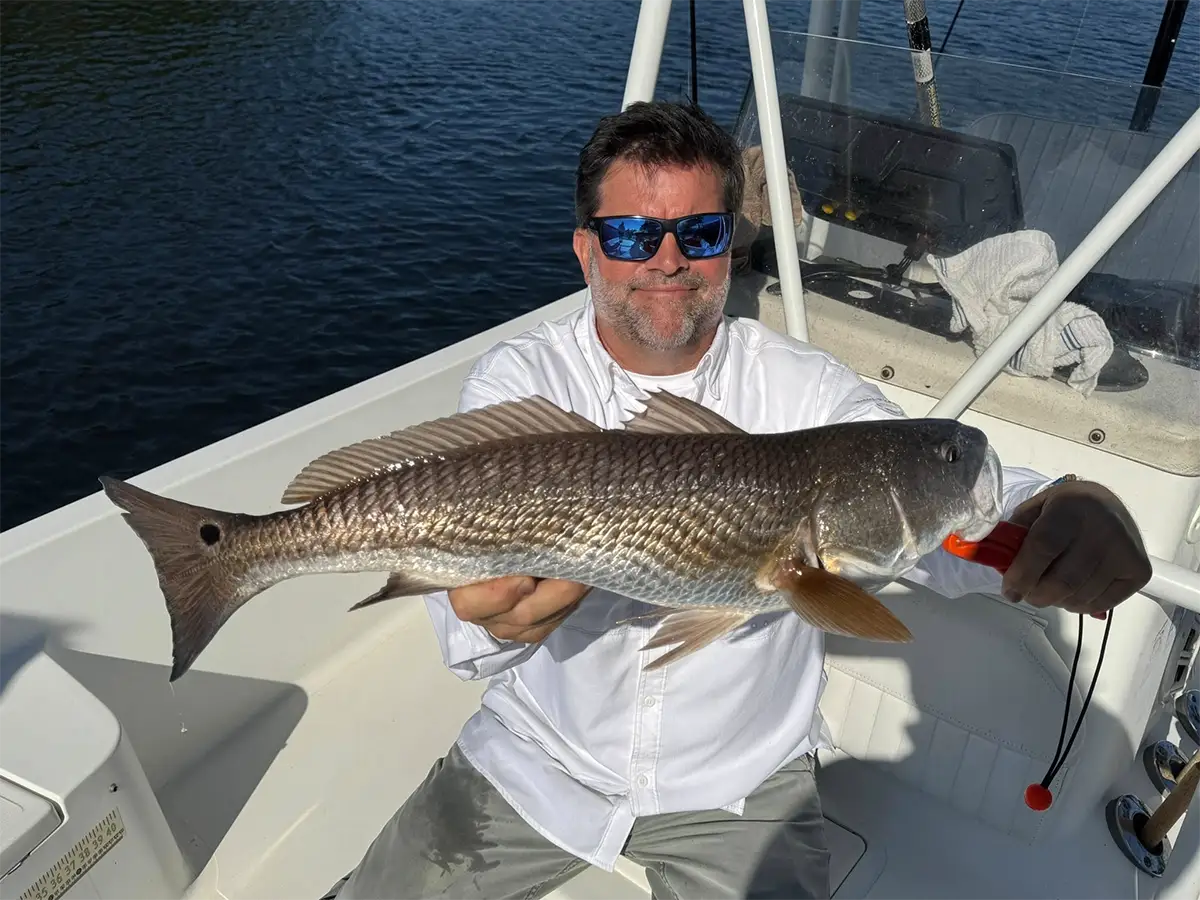
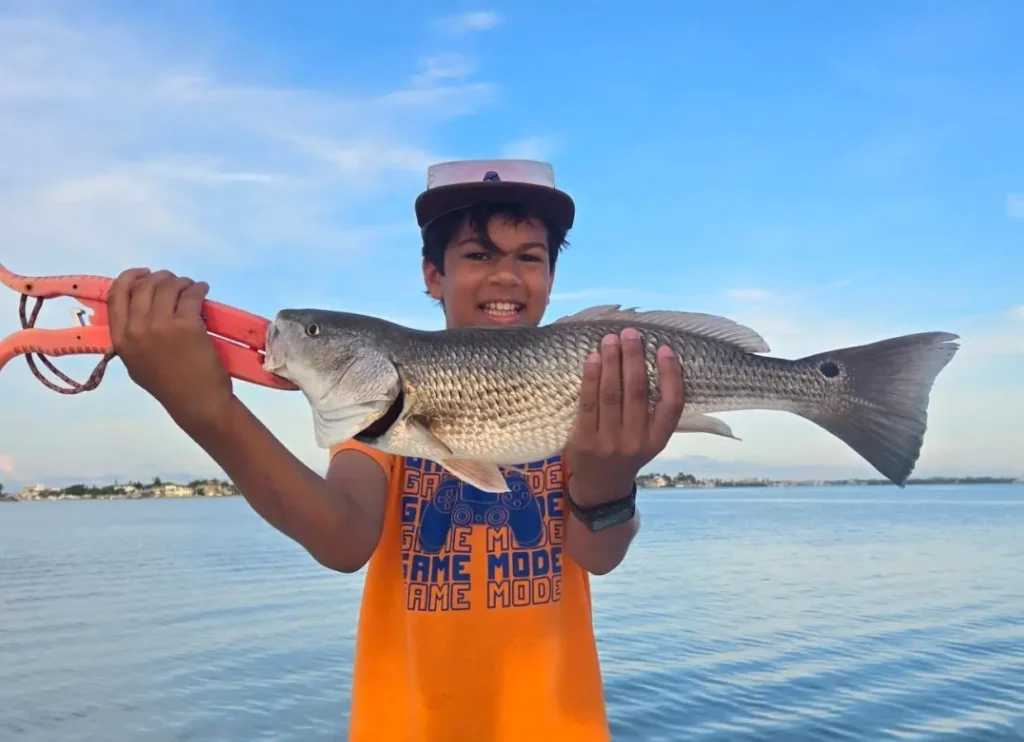
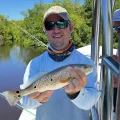
Redfish activity remains the most consistent inshore pattern. Fish are grouped in small pods along residential canals from Snell Isle through the northeast St. Petersburg grid, and along mangrove edges south toward Fort De Soto. Morning tides produce slower action, but fish begin moving as soon as sunlight warms the edges. The mud banks that absorb heat are key; even a one-degree rise can trigger feeding. Most reds are pushing into deeper potholes on the low tide, especially those outside the main grass flats. During incoming water, they reposition along shaded dock lines where forage collects. Shrimp, small paddletails, and cut mullet all work, though downsizing is necessary in clear water. Slot fish dominate, but there are enough over-slot singles cruising structure to keep rods loaded.
Speckled Trout
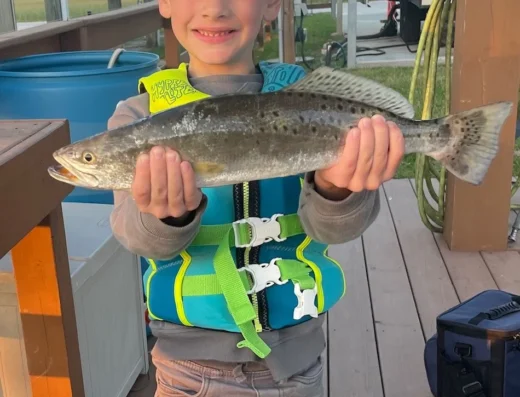
Trout are showing a strong early-winter consolidation across the deep grass flats. Productive zones include Northeast St. Pete (particularly the flats ringing Weedon Island) and the sheltered grass systems stretching toward Tierra Verde. Depths of 4–7 feet are the sweet spot, with larger fish hugging the deeper contours near channel cuts. The combination of cooler water and high clarity creates a pattern where trout will not tolerate heavy boat pressure; long drifts are outperforming anchoring. Soft plastics on light jigheads and suspending twitch baits remain the most reliable producers. On cloudy or wind-rippled days, the bite continues well into mid-afternoon. On calm, bright days, it shuts down quickly unless anglers move deeper.
Sheepshead
Sheepshead have begun their annual pre-spawn stacking across structure in the region, and their numbers are noticeably ahead of schedule. Bridge pilings, residential docks, rock rubble, and artificial reef modules throughout the lower bay are loaded with fish ranging from small juveniles to thick adults. The clearest water has made them more cautious than usual, so downsizing tackle has produced better consistency. Light fluorocarbon and small pieces of shrimp or fiddler crab trigger steady strikes. Many captains are reporting reliable double-digit catches on structure that normally peaks closer to late January. This trend should continue building weekly.
Snook
Snook fishing remains selective but viable if anglers commit to winter patterns. Most snook have already pushed deep into backwater creeks, rivers, and protected coves where water temperature remains stable. They are extremely sensitive to overnight temperature swings, so timing is critical. Warm afternoons with gentle incoming tides provide the best strike windows. Smaller baits and slow, controlled presentations outperform anything aggressive. Snook will feed, but only briefly during the warmest part of the day, and typically near mid-depth structure rather than shoreline ambush points.
Nearshore
Gag Grouper
This continues to be one of the most productive fisheries around St. Petersburg when the weather cooperates. Gags are holding along limestone edges, ledges, and rock piles from 45–70 feet. The shipping channel breaks remain reliable for both numbers and larger fish. The bite sharpens before cold fronts and immediately after seas settle, with clear water actually helping grouper locate baits more quickly. Heavy leader and tight anchoring are still mandatory. Many crews are reporting more activity on drifting presentations than usual for winter, likely a response to bait scattering deeper after temperature swings.
Hogfish
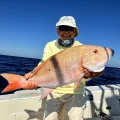
Hogfish are a highlight species right now and one of the most dependable nearshore bites. Hardbottom zones in 30–60 feet are producing consistent numbers when seas lay down for more than a day. Light tackle, shrimp rigs, and careful presentation drive the action. The calm periods between fronts have created several excellent hogfish windows, and this trend will strengthen as the season progresses. Adult males have been showing more frequently on larger hardbottom patches.
Mangrove Snapper
Mangrove Snapper are stacked on nearshore ledges, wrecks, and deeper hardbottom. Clear water has them rising in the water column during strong tidal movement, allowing for more finesse-based approaches. Smaller baits and minimal chumming create the best conditions for steady hookups. The strongest action has been reported on days where the current aligns cleanly with structure, allowing snapper to position predictably.
Kingfish
The kingfish run is closing out, but occasional late waves of fish are still appearing along temperature breaks and bait transitions. Most activity has shifted offshore, though isolated nearshore pushes still occur when baitfish concentrate along the 20–40 foot zone. This is no longer a reliable targeting option but remains a bonus when found.
Offshore
Red Grouper
Red grouper continue to produce in 80–120 feet, with the best results coming from extended drifts across Swiss-cheese bottom. Rather than isolated relief, broad hard patches are drawing larger concentrations of fish. Stronger currents help position them predictably. The bite has been steady despite temperature fluctuations, and quality fish are holding deep.
Amberjack
AJs are active on big wrecks, towers, and deep structure in clear water. They respond aggressively to metal jigs when the current is moderate. Heavy tackle remains mandatory. Weather has limited offshore windows, but every offshore report includes solid AJ action when crews reach the deeper targets.AJs are active on big wrecks, towers, and deep structure in clear water. They respond aggressively to metal jigs when the current is moderate. Heavy tackle remains mandatory. Weather has limited offshore windows, but every offshore report includes solid AJ action when crews reach the deeper targets.
Snapper Offshore
Mangrove, vermilion, and lane snapper are feeding high in the column over large wrecks and relief structure. Chumming lightly draws them upward, improving hookup rates. Clear water and stable salinity allow for lighter fluorocarbon, which is increasing catch ratios significantly.
Pelagics
Blackfin tuna sightings are sporadic but possible around deeper temperature breaks. Winter rips and color changes have occasionally held bait lines, producing brief pelagic flurries around 50–70 miles out. Not a consistent pattern yet, but noteworthy.
Over the next several weeks, expect sheepshead numbers to surge, hogfish to remain a top target, inshore redfish to maintain stability, and trout fishing to strengthen with each temperature plateau. Snook will stay tight to winter refuges but become more reliable during warm trends. Nearshore grouper and snapper remain excellent whenever weather allows safe travel. Offshore action hinges entirely on windows between fronts, but the structure bite remains strong.