January fishing is amazing. Marathon sits in the middle of the Florida Keys chain, and that position matters in winter. You have access to the Atlantic side reef and blue water to the south, the Gulf and backcountry to the north, and enough water variety that fish rarely leave the area entirely. What they do in January is shift zones and depth quickly after fronts.
Marathon does not shut down in winter. It compresses. Cold fronts, wind direction, and water temperature decide whether your day is spent shallow, on the reef, or sliding deeper. The captains who do well here in January are the ones who stop thinking in terms of species first and start thinking in terms of which side of the Keys is fishable today.
Offshore and Reef Fishing in January
Reef Edge and Patch Reefs
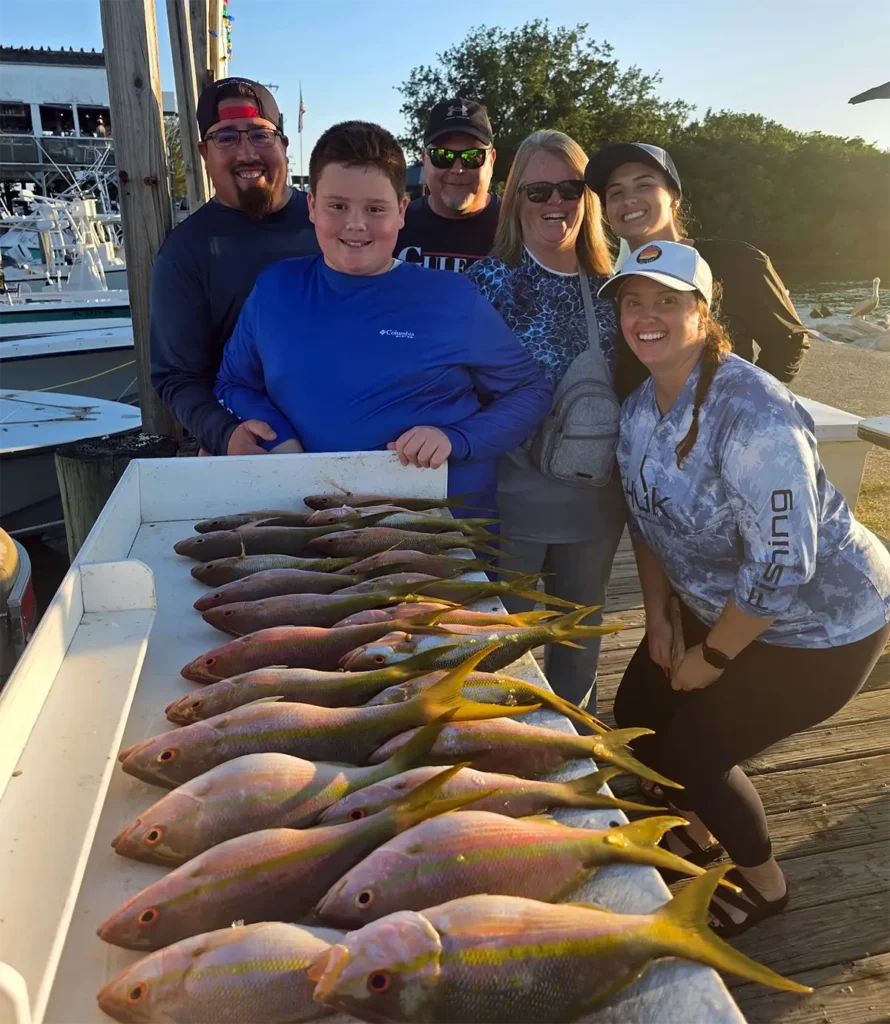
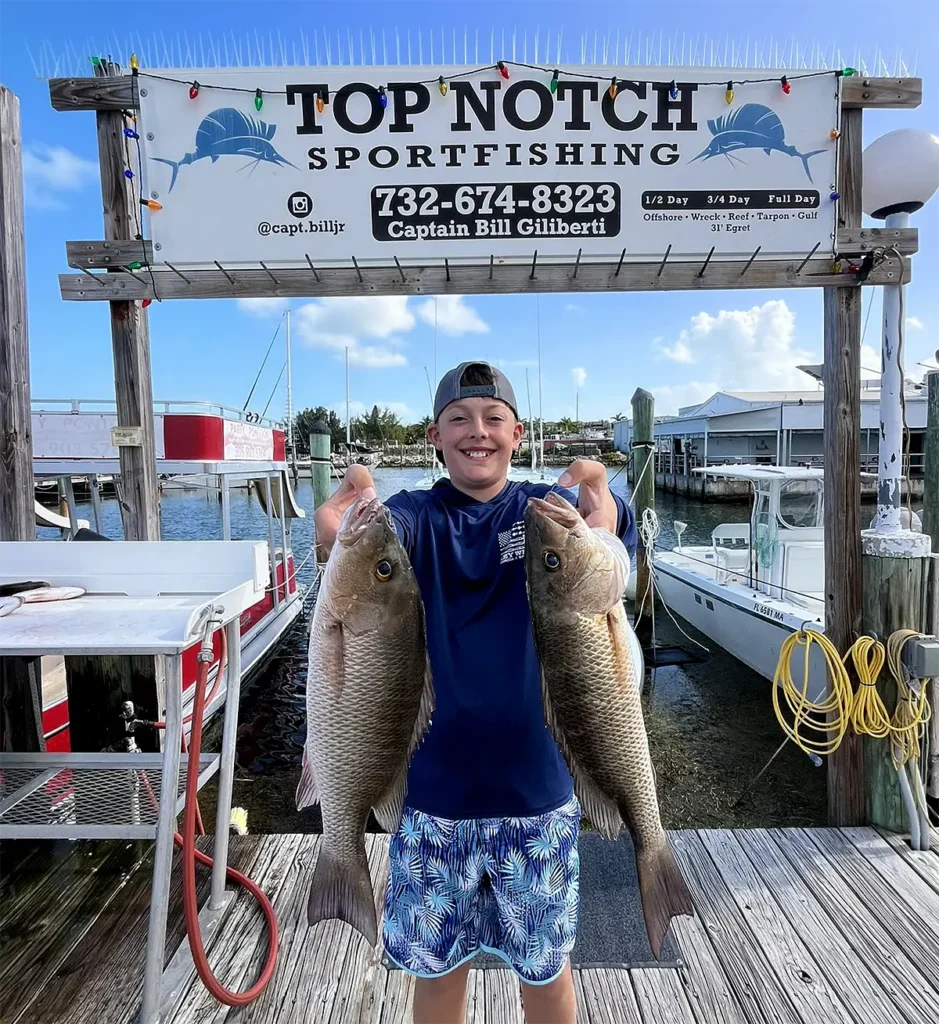
January reef fishing out of Marathon is heavily tied to front timing. Ahead of a front or a day or two after a mild one, bait often stacks along the reef and patch reefs, especially in 60–120 feet. When that happens, yellowtail snapper,mutton snapper, cero mackerel, and occasional sailfish become real possibilities.
After stronger fronts, the reef can look good and fish slow. Water clears, current weakens, and bait slides off. On those days, reef fishing shifts from drifting and freelining to more deliberate anchoring and patience. January reef bites tend to be shorter windows, not all-day affairs.
Patch reefs inside the main reef line become more important in winter because they hold slightly warmer, more protected water. When wind and swell make the outer reef uncomfortable, these areas save trips.
Offshore Atlantic Side
Offshore fishing south of Marathon in January depends on current and water clarity more than distance. Blackfin tuna are present year-round and are the primary offshore target this time of year. They move vertically after fronts, feeding shallow briefly and then settling deeper.
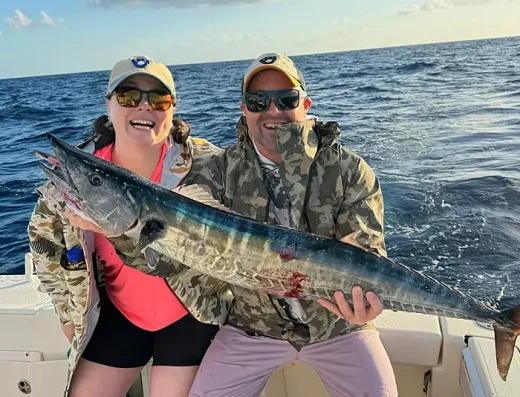
Wahoo are a legitimate winter target offshore and along the reef edge. Cooler water and sharper temperature breaks tighten their movement patterns. You do not get many chances at them, but when they show, they matter.
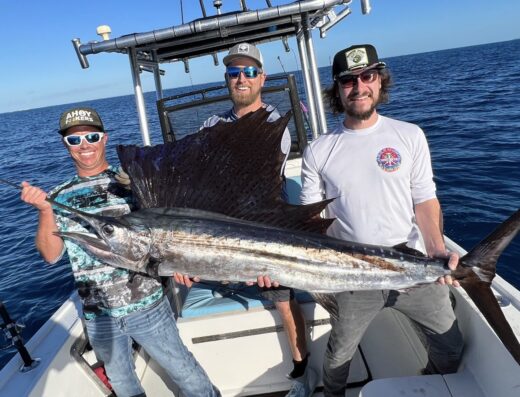
Sailfish are possible offshore in January when bait compresses along current edges. They are not guaranteed, but Marathon sits far enough up the Keys that winter sailfish shots are realistic when conditions line up.
Offshore Depth Breakdown
In the 120–250 foot range, tuna and sailfish will show during early feeding windows tied to bait movement. These bites are usually short and happen early or late.
Between 250–600 feet is where most January offshore work gets done. Tuna settle here after fronts, and drifting or controlled trolling becomes more effective than covering water.
Beyond 600 feet, winter conditions sometimes support deep work and swordfish trips when current slows and weather allows. This is a planned fishery, not an opportunistic one.
Inshore and Backcountry Fishing
Florida Bay Side in Winter
The Florida Bay side of Marathon becomes extremely important in January. When Atlantic conditions are rough or water temperatures drop, fish slide north into protected bay water. This is where a lot of winter consistency comes from.
Redfish,speckled trout, black drum, and mangrove snapper all hold in Florida Bay in January, especially along deeper edges, basins, and shorelines that retain warmth. Clear, cold mornings can be slow, but once the sun gets up, fish often slide shallow to feed.
Flats and Shorelines
January flats fishing out of Marathon is timing-dependent. Early mornings after cold nights are usually slow. Afternoon windows following sun exposure produce the best shallow bites. Fish do not roam far in winter. They move just enough to feed and slide back.
Mangrove shorelines become key holding areas after fronts. They block wind, trap heat, and concentrate bait. These areas fish best on moving water. Slack tide is rarely productive in winter.
Channels, Basins, and Edges
Deeper water inside Florida Bay and near bridges and cuts becomes winter holding water. Trout and redfish stack along drop-offs and channel edges when shallow water cools too much overnight.
This is where many January inshore days are made. Slow presentations, patience, and depth control outperform speed and distance. When fish settle, they stay until conditions change.
Species Expectations in January
Blackfin Tuna
Blackfin tuna are present offshore out of Marathon throughout January, but they do not behave the same way they do in warmer months. Winter fronts push them up and down in the water column far more than they move horizontally. Ahead of a front or during stable weather, tuna may slide shallow and feed briefly along the reef edge or offshore current lines, often early in the day. After a front, they typically drop deeper and settle, sometimes holding in the 250–500 foot range for extended periods. January tuna fishing is rarely about chasing breaking fish. Most consistent catches come from marking fish, adjusting depth, and staying with them long enough for them to commit.
Wahoo
January is one of the better months to encounter wahoo offshore out of Marathon, but it is never a volume fishery. Cooler water sharpens temperature breaks and tightens their travel routes along reef edges, drop-offs, and current seams. Wahoo in winter tend to move with purpose, passing through productive water rather than lingering. Most bites are single opportunities, often on the edges of structure where current accelerates slightly. When conditions are right, a single wahoo strike can define the day. When conditions are wrong, they may not show at all. Winter success comes from fishing edges deliberately, not from covering water blindly.
Sailfish
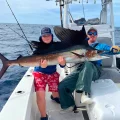
Sailfish are a realistic possibility out of Marathon in January, but they are entirely condition-dependent. Winter sailfish appear when bait is compressed by wind and current along the reef edge or just offshore. These windows are often short and tied closely to front timing. Ahead of a front or shortly after a mild one, sailfish may push in close and feed aggressively for brief periods before sliding back out. January sailfish fishing is not a numbers game and rarely an all-day pursuit. Most sailfish caught this time of year are incidental fish taken while targeting tuna or fishing reef edges patiently rather than fish that are actively hunted from spot to spot.
Yellowtail Snapper
Yellowtail snapper remain available in January, particularly on the reef and patch reefs around Marathon, but winter changes how they feed. During stable weather between fronts, yellowtail will rise in the water column and respond well to proper chum placement and current flow. After stronger fronts, they often hold deeper and become more cautious, requiring slower drifts or anchoring to keep baits in the strike zone. In January, yellowtail success depends more on reading current speed and direction than simply fishing a known depth. When conditions line up, quality fish are possible, but the bite rarely lasts all day.
Mutton Snapper
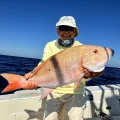
Mutton snapper are caught year-round out of Marathon, but January fish tend to hold deeper and tighter to structure, especially after cold fronts. Winter muttons are less willing to roam and more likely to sit near ledges, patch reefs, and hard bottom adjacent to deeper water. Slower presentations and well-placed baits matter more than covering ground. During stable periods, muttons may slide shallower to feed briefly, but most January fish are caught by fishing patiently and precisely rather than aggressively moving spot to spot.
Redfish
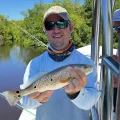
Redfish become a primary winter target on the Florida Bay side of Marathon. After cold fronts, they often group tightly and hold along mangrove edges, deeper basins, and transition zones between shallow flats and deeper water. January redfish move less than they do in warmer months and tend to feed during short windows when water temperatures rise slightly or tide begins to move. Afternoon periods following sunny mornings are often the most productive. Once conditions cool again, redfish slide back into holding areas and become difficult to move.
Speckled Trout
Speckled trout are one of the more reliable winter species in the Florida Bay and backcountry areas around Marathon. In January, smaller trout may still appear on shallow flats during warm periods, but larger trout tend to hold along deeper grass edges, drop-offs, and channels. These fish feed selectively and respond best to slower presentations. Covering water quickly in winter usually produces smaller fish or none at all. The best January trout fishing often happens once fish have settled into deeper water after fronts and begin feeding predictably again.
Black Drum
Black drum are a consistent winter presence in Florida Bay and surrounding backcountry areas near Marathon. They favor deeper mud bottom, basins, channels, and areas with structure where water temperatures remain more stable. January drum often move in small groups and feed steadily when conditions are right. They are less affected by cold fronts than many other species, making them a dependable option when other bites slow. Most winter drum are caught by fishing methodically in deeper water rather than targeting shallow flats.
Mangrove Snapper
Mangrove snapper remain present through January, but winter fish behave differently than their summer counterparts. After cold fronts, they tend to hold tighter to structure and deeper edges, becoming more cautious and less aggressive. During stable weather, mangroves may move slightly shallower and feed more freely, especially around bridges, patch reefs, and channel edges. In January, success with mangrove snapper comes from precise bait placement and patience rather than speed or volume.
What January Fishing in Marathon Really Looks Like
Some January days produce an early reef bite and nothing after. Others start slow and improve in the afternoon on the bay side. Many days require switching sides of the Keys entirely based on wind and water temperature.
Clean water with no bait rarely produces in winter. Slightly dirty water with bait usually does. Most slow January days come from fishing where it worked last week instead of where fish slid after the last front.
How Fish Get Caught in January
Trolling works when fish are moving. Drifting and anchoring work when fish settle. Live bait outperforms artificials when water is cold. Slow presentations matter more than lure choice. Depth and location matter more than distance.
Choose a Vetted Marathon Fishing Captain
Fishing Marathon in January 2026 is entirely captain-dependent. Knowing when to fish the Atlantic side, when to slide into Florida Bay, and when to slow everything down is what produces results. Below this report, you will find our list of vetted, top-rated Marathon fishing captains.
These are operators with verified winter experience who understand how fronts, wind, and water temperature move fish around the Middle Florida Keys.