Tampa Bay Fishing Report – December Conditions
December in Tampa Bay marks the true winter transition across the entire estuary system. Water temperatures settle into the low to mid-60s, bait thins out across open flats, and gamefish shift into deeper, more temperature-stable structure. The fishery becomes compressed and predictable. Movement slows, holding areas become well defined, and feeding windows shorten but repeat reliably when conditions align.
Cold fronts shape nearly every productive day. North and northeast winds drain water from shallow flats and push fish into channels, basins, canals, rivers, and dock systems. Once positioned, fish tend to stay put for long stretches. December favors anglers who understand how tides move water through Tampa Bay, how sunlight warms protected zones, and how overnight temperature drops affect bite timing.
- Winter structure fishing replaces summer flat patterns
- Cold fronts compress fish into deeper, predictable zones
- Midday warming consistently improves feeding activity
- • Precision and timing outperform long-distance runs
Inshore Fishing – Trout, Redfish, Snook, Sheepshead, Flounder
- Spotted seatrout concentrate along channel edges and deeper basins
- Redfish form tight winter schools near drains and potholes
- Snook stack heavily in canals, rivers, and deep dock systems
- Sheepshead load onto bridges, docks, and hard structure
- Flounder hold along sandy transitions and channel edges
- Slow presentations outperform aggressive retrieves
December pushes Tampa Bay’s inshore species into classic winter locations. Spotted seatrout vacate shallow grass flats and settle along channel drop-offs, grass edges with adjacent depth, and deeper basins near the flats. Morning bites are often slow until the sun warms the water, but late morning through early afternoon frequently produces steady action. Soft plastics worked slowly, suspending plugs, and shrimp presentations remain consistent producers.
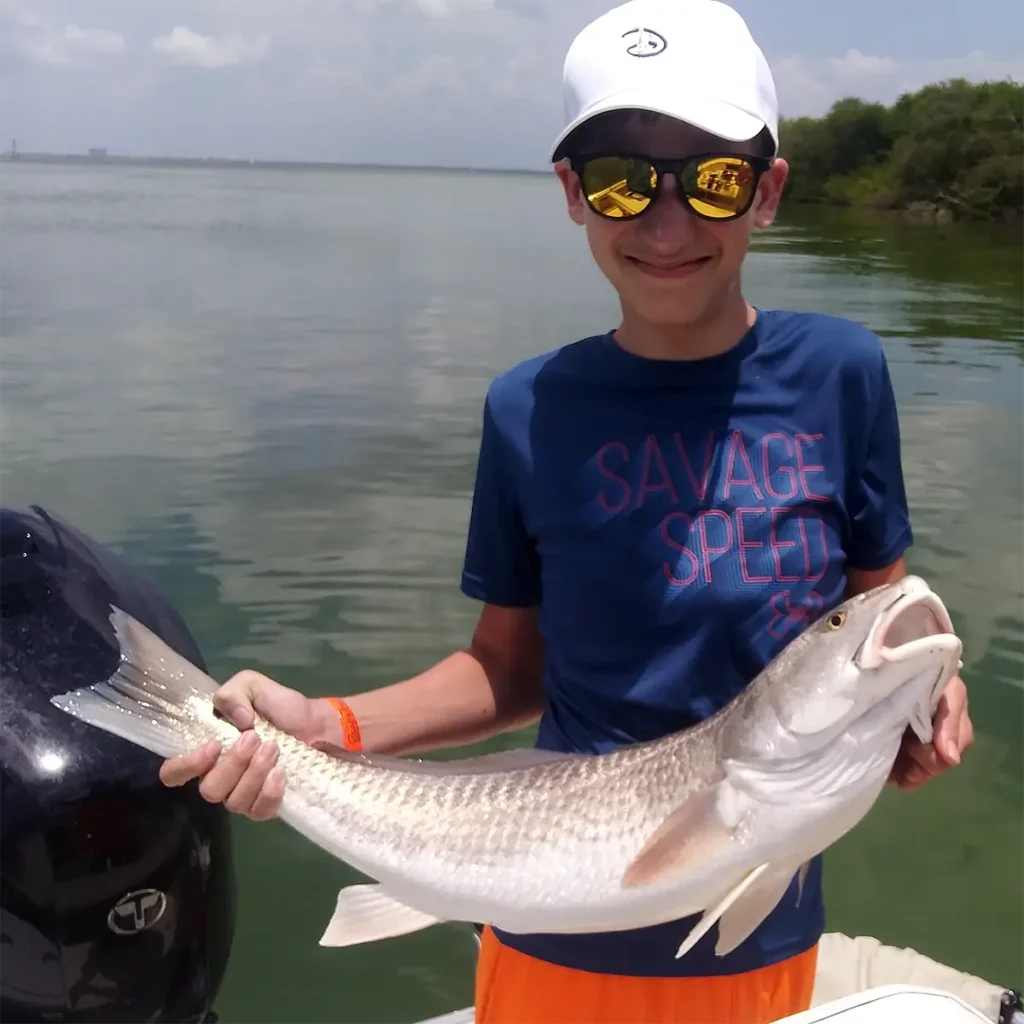
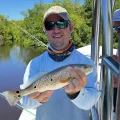
Redfish become highly predictable during December. Winter schools form along mangrove edges, creek mouths, deeper potholes, and tidal drains. These fish often group tightly, and once located, action can remain steady for extended periods. Natural baits such as shrimp and cut mullet perform well, along with soft plastics worked slowly along the bottom.
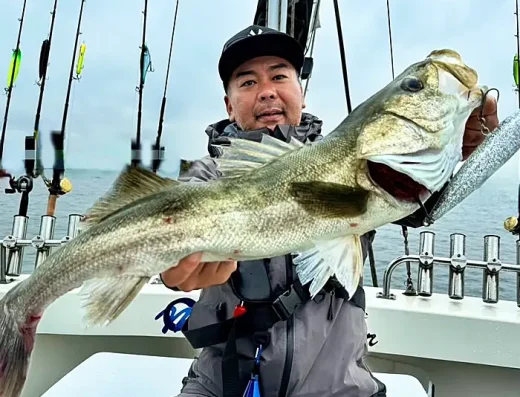
Snook season is closed, but winter concentrations are heavy and visible. Fish push deep into residential canals, rivers, and dock systems with dark bottom where water temperatures remain stable. Snook hold tight to structure to conserve energy. Bite windows are short but repeatable, especially during warming trends. Live shrimp and precise dock presentations dominate
.
Sheepshead fishing strengthens as water temperatures fall. Bridges, docks, seawalls, and oyster-covered structure attract large numbers of fish. Fiddler crabs and shrimp fished tight to structure are essential. Bites are subtle, requiring patience and attention.
Flounder remain present throughout December, especially along sandy channel edges, pass entrances, and transition zones. These ambush feeders bite best during tide changes and are often mixed in with trout and redfish areas. Slow bottom presentations are key.
Nearshore Reefs and Bay Mouth Structure
Summary of Nearshore Conditions
- Nearshore structure holds sheepshead, snapper, and mixed bottom species
- Fish stay tight to relief and hard bottom
- Short runs dominate December nearshore trips
- Calm weather windows are required for access
- Nearshore trips often pair with inshore fishing
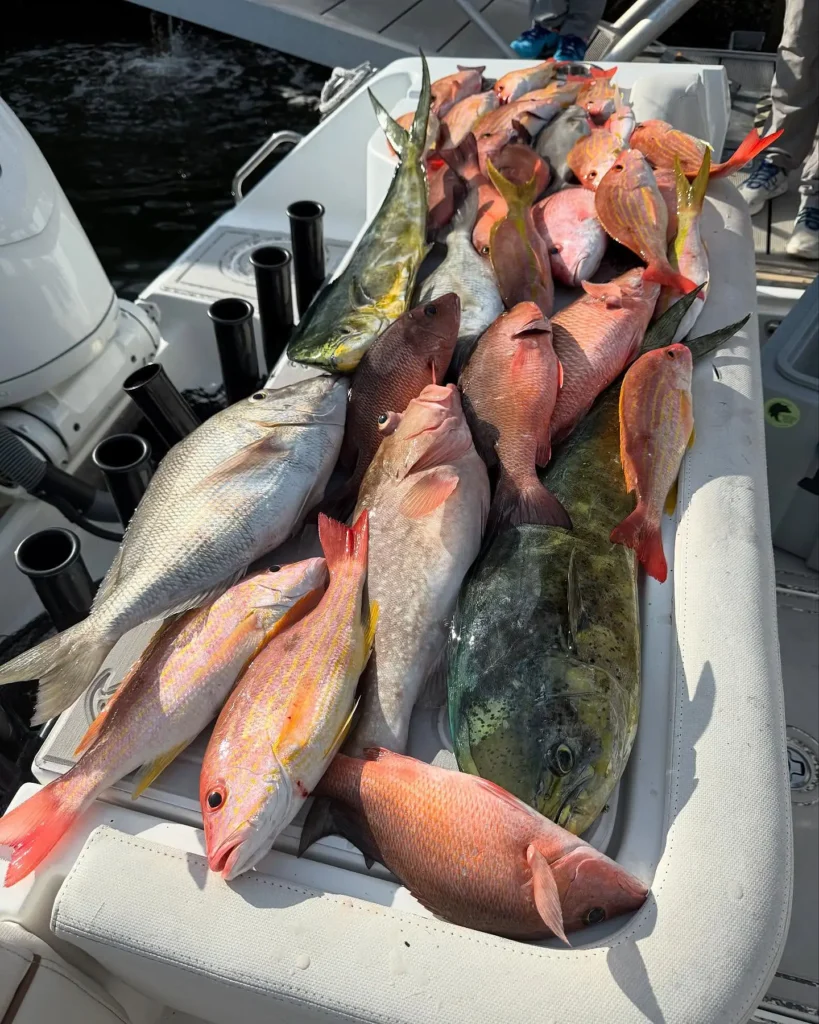
Tampa Bay’s nearshore opportunities depend heavily on weather windows, but when conditions allow, structure fishing can be productive. Hard bottom areas, nearshore reefs, and bay mouth structure hold sheepshead, mangrove snapper, and mixed bottom species throughout December. Fish remain tight to relief, and precise bait placement is critical.
Shorter runs are favored due to winter seas and changing wind direction. Many nearshore trips are combined with inshore fishing to maintain flexibility and maximize productivity. Stable, high-pressure systems offer the best nearshore opportunities during the month.
Offshore Bottom Fishing and Winter Pelagics
- Offshore access depends entirely on weather windows
- Bottom fishing dominates December trips
- Red grouper and snapper species remain primary targets
- Pelagic activity is limited but possible during warm stretches
- Conservative planning is essential
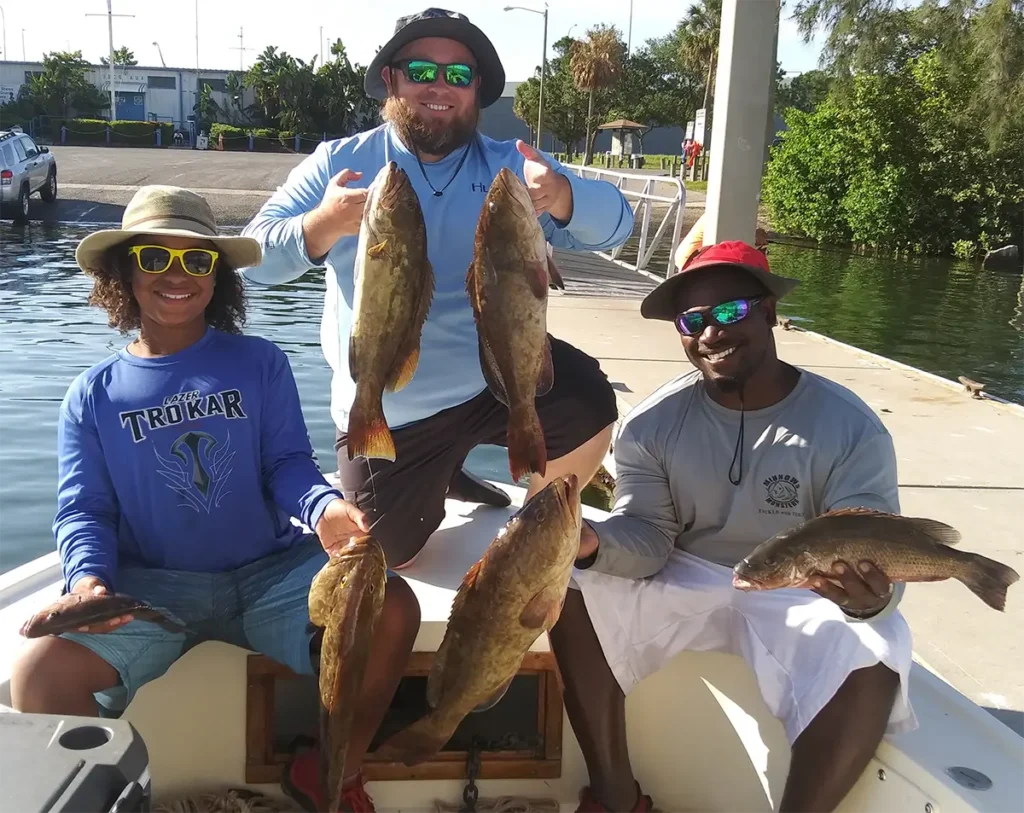
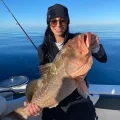
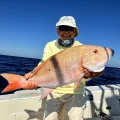
Offshore fishing in December is limited but productive when seas cooperate. Bottom fishing dominates, with red grouper and snapper species holding on deeper structure. Fish position tightly around ledges and hard bottom where bait concentrates.
Pelagic species are minimal, though occasional activity can occur during warm, stable weather periods. Offshore success in December is driven by timing rather than distance. Trips require flexibility, conservative decision-making, and close attention to forecast changes as fronts move through.
December Outlook
- Fish remain compressed into winter holding areas here
- Inshore fishing provides the most consistent action
- Nearshore and offshore success depend on weather windows
- Midday periods outperform early mornings
- Nearshore and offshore success depend on weather windows
Tampa Bay Fishing Charters
If you want the latest conditions or are planning a winter trip, the charter captains listed below run inshore, nearshore, and offshore trips throughout Tampa Bay. These guides track winter trout movement, redfish schooling patterns, canal snook concentrations, and nearshore structure cycles in real time. Booking with a local Tampa Bay captain ensures you fish the most productive zones for the exact conditions on the day you go.