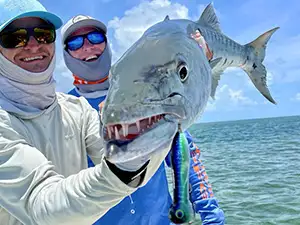
Deep Sea, Nearshore, Backcountry, and Flats Fishing Explained with Real Locations
The Florida Keys stretch more than 120 miles from Key Largo to Key West, and along that chain sit four completely different fisheries. What makes the Keys unique is not just the variety of fish, but how close these fisheries are to each other. In one day, boats can run from protected backcountry water to the edge of the Gulf Stream, passing reefs, wrecks, and flats along the way.
Each fishery exists because the water, bottom, and current are different. Boats are designed around those conditions. Gear is chosen for that environment. The rhythm of the day changes depending on where you fish.
This breakdown explains how each fishing trip actually works in the Florida Keys and ties each one to well-known areas anglers fish every day.
Deep Sea Fishing in the Florida Keys
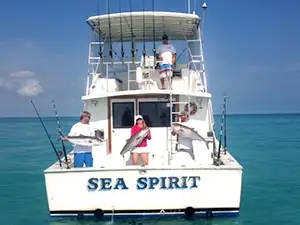
Deep sea fishing in the Florida Keys takes place offshore in the Atlantic Ocean, beyond the reef line, often within reach of the Gulf Stream. The proximity of deep bluewater is one of the Keys’ biggest advantages. In many ports, productive offshore water is reached faster here than almost anywhere else in Florida.
This is open-ocean fishing. No bottom reference. No structure to sit on. Everything revolves around current, bait, and movement.
- Fishing beyond the reef line in Atlantic bluewater
- Influence of the Gulf Stream pushing warm water close to shore
- Deep water with no visible bottom structure
- Long runs and wide search patterns
- Fishing driven by surface signs and water conditions
From Islamorada, Marathon, and Key West, offshore boats often run east or southeast toward the Gulf Stream edge. Weed lines, current rips, and temperature breaks form naturally where currents collide. These zones concentrate bait and draw predators.
Some days offshore fishing means covering miles and reading subtle signs. Other days, birds give everything away and rods start bending quickly. The environment changes daily.
Fish Targeted Offshore in the Florida Keys
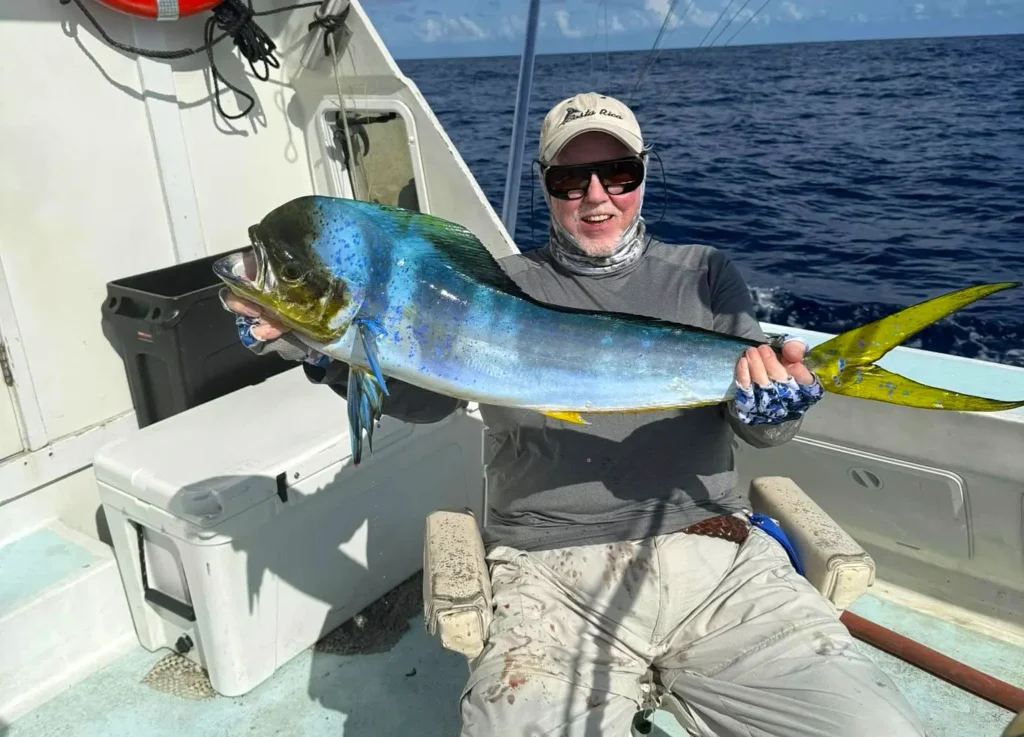
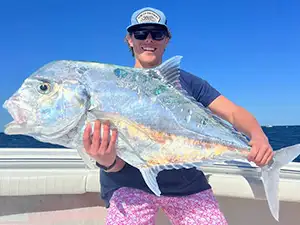
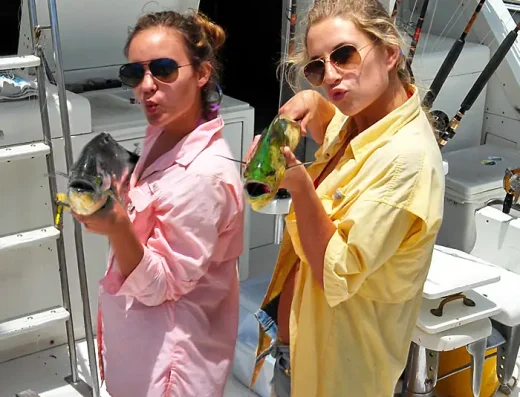
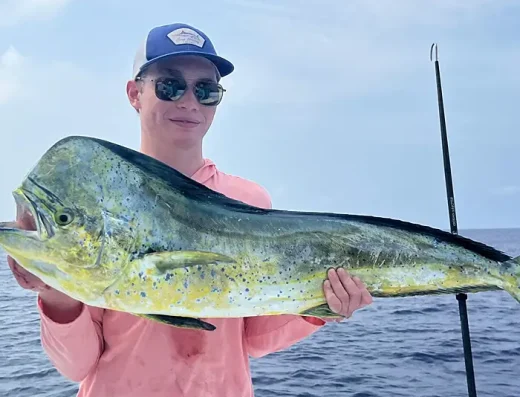
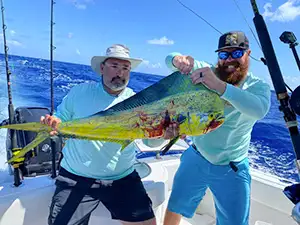
- Mahi Mahi, often found along weed lines and floating debris
- Blackfin Tuna, common year-round along current edges
- Yellowfin Tuna, seasonal and highly prized
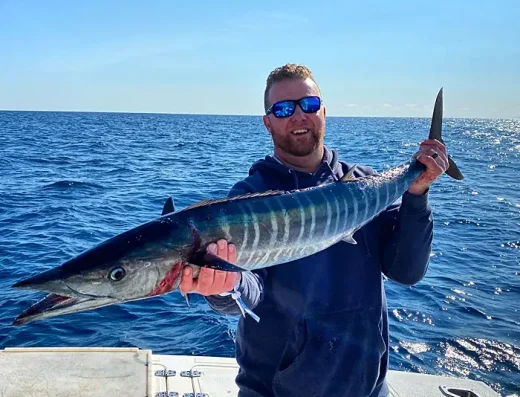
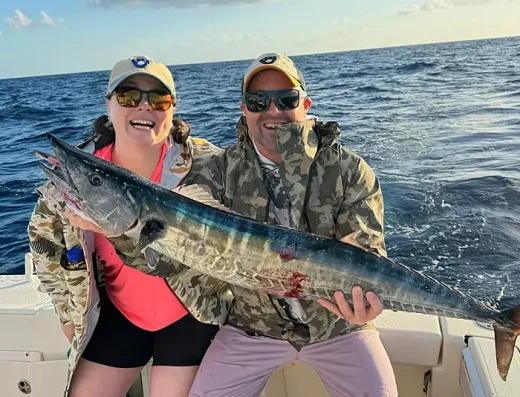
- Wahoo, frequently caught along temperature breaks
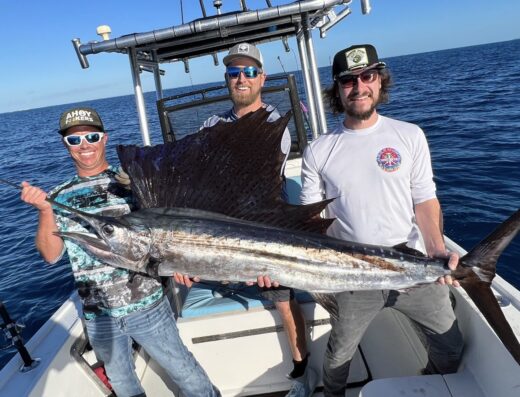
- Sailfish, especially during winter migrations
- Blue and White Marlin, encountered during warmer months
- Swordfish, targeted with deep drops day or night
Fishing Methods Used Offshore
- Trolling ballyhoo or artificial lures to locate fish
- Slow trolling live bait once fish are found
- Kite fishing to suspend baits on the surface for sailfish
- Chunking and drifting for tuna
- Deep dropping in 1,500 feet or more for swordfish
Deep sea fishing in the Keys is about opportunity. The scale of the ocean and the variety of pelagic species create days that are never the same twice.
Nearshore Fishing in the Florida Keys
Reefs, Wrecks, and Ledges
Nearshore fishing in the Florida Keys centers on the Florida Reef Tract, patch reefs, ledges, and artificial wrecks that run parallel to the island chain. This reef system is the backbone of Keys fishing and supports one of the most diverse fisheries in the region.
- Fishing along the reef line and patch reefs
- Short to moderate runs from shore
- Fixed structure that holds fish year-round
- Moderate depths with visible bottom
- High productivity on half-day trips
Patch reefs inside the reef line sit in 10 to 30 feet of water and are easily accessible from ports like Islamorada and Key Largo. Deeper reefs, ledges, and wrecks sit farther offshore in 60 to 150 feet of water.
Well-known nearshore areas include Alligator Reef, Molasses Reef, Sombrero Reef, Tennessee Reef, American Shoal, and Western Sambo.
Fish Targeted on Reefs and Wrecks
- Yellowtail Snapper, often targeted with chum on patch reefs
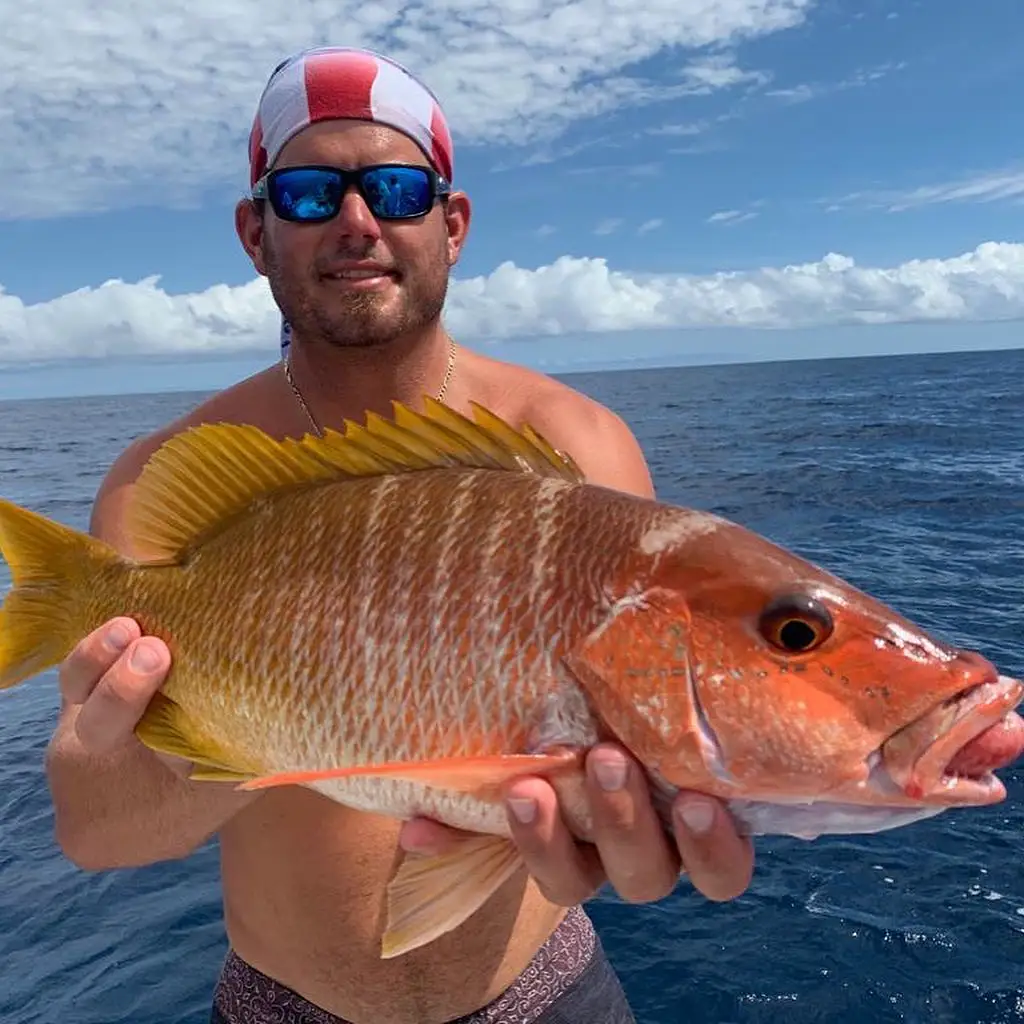
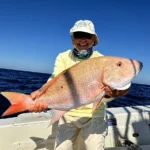
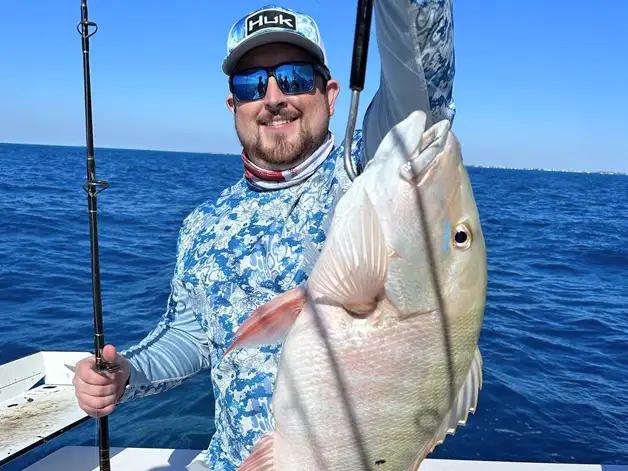
- Mutton Snapper, holding on deeper reef edges
- Mangrove Snapper, common around wrecks and structure
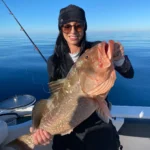
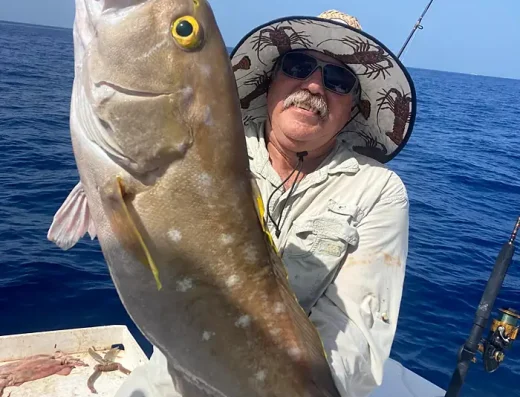
- Grouper, living along ledges and wrecks
- Amberjack, stacked high on deeper wrecks
- Kingfish, roaming reef edges and drop-offs
- Cobia, moving through reef systems
Fishing Methods Used Nearshore
- Chumming to draw snapper off the reef
- Bottom fishing with live or cut bait
- Drift fishing reef edges
- Vertical jigging on wrecks
- Slow trolling along structure lines
Backcountry Fishing in the Florida Keys
Backcountry fishing takes place on the Gulf side of the Keys, inside Florida Bay, and along protected mangrove shorelines. This fishery is shaped by shallow water, mud bottoms, grass flats, and winding channels.
This is one of the most defining fishing experiences in the Keys.
- Protected water with minimal wave action
- Shallow bays and basins
- Mangrove islands and shorelines
- Strong tidal influence
- Fishing driven by water movement
Florida Bay is vast and shallow, with countless basins and channels. Areas like Snake Bight, Garfield Bight, Whipray Basin, Sprigger Bank, and Johnson Keys see daily pressure from backcountry guides.
Fish Targeted in the Backcountry
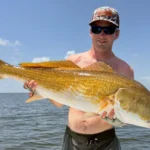
- Redfish, cruising basins and shorelines
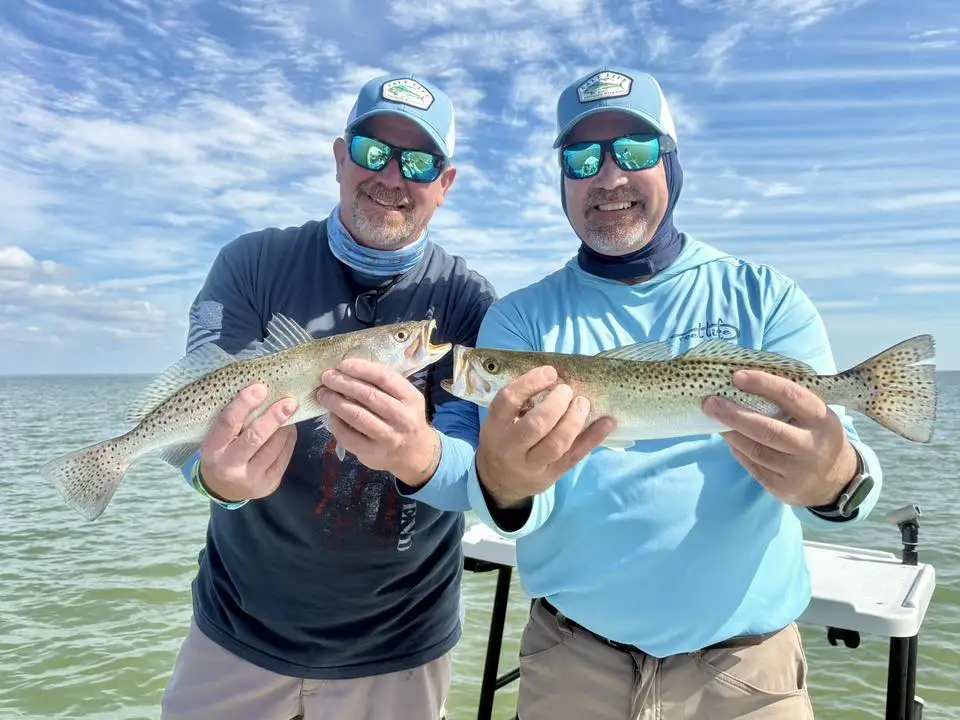
- Speckled Trout, holding deeper channels and edges
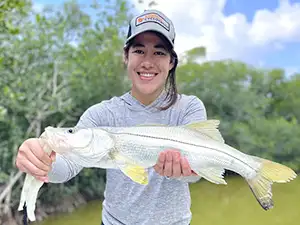
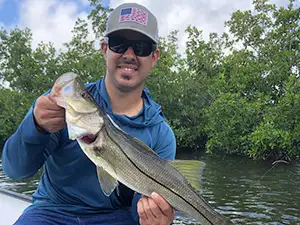
- Snook, tight to mangroves and structure
- Tarpon, moving through channels and basins seasonally
- Sharks, common in shallow backcountry water
Fishing Methods Used Backcountry
- Live shrimp or pinfish under corks
- Soft plastics worked along bottom or grass
- Topwater lures during low light
- Drifting basins and flats
- Anchoring near channels and casting repeatedly
Flats Fishing in the Florida Keys
Flats fishing is one of the most recognizable fishing styles in the Florida Keys. It takes place on shallow grass and sand flats where water depth is often measured in inches.
This is visual fishing that rewards patience and precision.
- Very shallow water, often under two feet
- Clear conditions with visible bottom
- Specialized flats skiffs
- Quiet movement using push poles
- Sight-casting to individual fish
Fish Targeted on the Flats
- Bonefish, tailing on sandy flats
- Permit, cruising grass flats and edges
- Snook, holding near shallow structure
- Add here
- Add here
Fishing Methods Used on the Flats (
- Sight-casting with spinning or fly tackle
- Light line and long leaders
- Quiet bait placement
- Artificial lures worked slowly
- Push-pole positioning instead of engines
Choosing a Florida Keys Fishing Trip
- Deep sea fishing delivers open water and powerful pelagic fish.
- Nearshore fishing offers reefs, wrecks, and steady action.
- Backcountry fishing provides calm water and close-range fishing.
- Flats fishing delivers shallow-water, visual encounters.