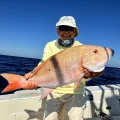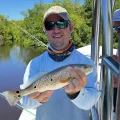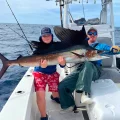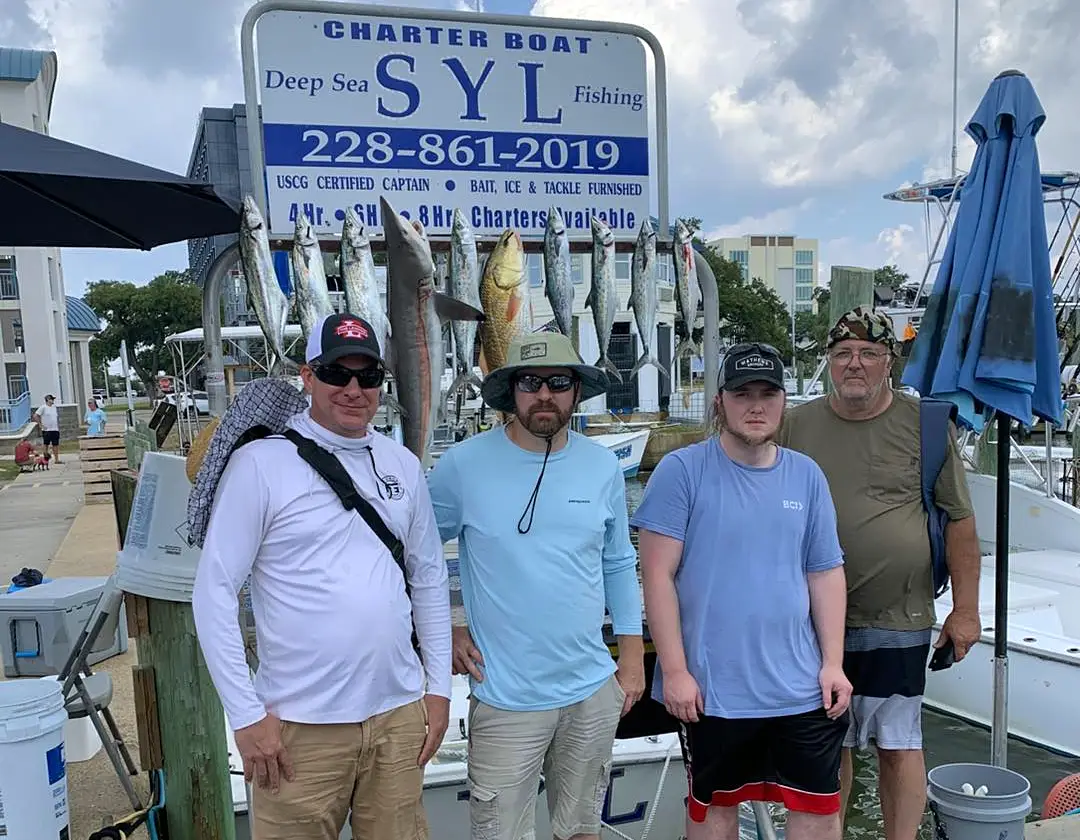
December in Biloxi marks the true beginning of the Mississippi Gulf Coast winter pattern. Water temperatures decline into the low 60s offshore and mid to upper 50s inshore, driving fish into predictable cold-season structure. Speckled trout move to deeper bay systems, bridges, and river mouths. Redfish gather in large winter groups along marsh edges, bayous, and deeper holes. Black drum and sheepshead concentrate around pilings, docks, and reef structure.
Nearshore reefs, including FH-2, Katrina Reef, and the inshore limestone rubble piles, hold strong numbers of snapper-type fish, black drum, redfish, and smaller grouper. Offshore conditions depend heavily on weather windows, but the bottom bite is consistent when seas allow access. Larger blackfin tuna, king mackerel, and amberjack remain possible during warm stretches, while reef species dominate most trips.
Biloxi’s strength in December is reliability. The cooling trend compresses fish into more defined areas, and once positioned, they stay for long periods. The pattern favors captains who know how winter bait holds on deeper edges, how tides move fish through Biloxi Bay, and which reefs produce in colder water. When fronts are moderate and the wind settles, December provides excellent action across all major categories.
Inshore Speckled Trout, Redfish, Sheepshead, and Drum
- Speckled trout concentrate in deeper bay systems, river mouths, and protected basins
- Midday warming improves trout feeding after slow early mornings
- Soft plastics, live shrimp, and deep jig presentations perform well
- Redfish gather in winter schools along marsh edges and deeper holes
- Large reds remain possible around bayou mouths and deep bends
- Sheepshead stack thick around bridges, docks, and structure
- Black drum feed along mud bottoms and deeper bay cuts
- Water clarity improves between fronts, increasing sight-fishing chances
December in Biloxi consistently pushes speckled trout into deeper water. Trout move out of shallow marsh zones and settle into bay channels, river mouths, and deeper basins where temperatures are more stable. The morning bite can be slow until the sun warms the upper layer, but midday and early afternoon feeding windows often produce rapid action. Soft plastics on slow jigs, live shrimp under corks, and drop rigs all work well. Slow retrieves are essential because trout conserve energy in colder water.
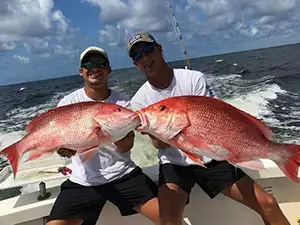
Redfish become highly predictable. Winter schools form along marsh drains, bayou mouths, and deeper holes in the backwaters. These fish often group in tight clusters. When found, action remains steady. Redfish respond well to natural baits such as shrimp and mullet, as well as soft plastics worked slowly along the bottom.
Sheepshead activity increases dramatically. Bridges, docks, seawalls, and oyster-covered structure attract fish in heavy numbers. Fiddler crabs, shrimp, and cut baits produce consistent hookups. The bite is precise, and light tackle sensitivity helps detect their quick strikes.
Black drum remain consistent throughout December, especially on soft mud edges and deeper channels. These fish feed slowly but reliably. Shrimp, small crabs, and cut bait remain top choices.
Water clarity often improves behind cold fronts, particularly in protected bay systems. When this happens, sight casting to redfish becomes possible in shallow areas, especially on sunny afternoons.
Nearshore Reefs and Barrier Island Edges
- Nearshore reefs hold strong numbers of black drum, redfish, and snapper-type species
- Sheepshead feed aggressively around structure
- Mixed bag bottom fishing is consistent on rubble piles and artificial reefs
- Spanish mackerel remain possible early in the month
- Bull redfish show around deeper cuts and island drop-offs
- Reefs within short range remain accessible for smaller boats during calmer weather
- Moderate current improves nearshore feeding patterns
- Decent water clarity returns between fronts
Biloxi’s nearshore reefs offer some of the most dependable winter fishing available along the Mississippi Coast. December water temperature concentrates large groups of black drum and redfish around FH-2, Katrina Reef, and various rubble piles within 5 to 12 miles. The structure holds bait, and predators remain in close proximity. Bottom rigs with shrimp or cut bait produce steady action.
Sheepshead are abundant on nearly every piece of metal or concrete structure. Dropping bait tight to the vertical lines of the reef produces fast hookups once a school is located. As winter progresses, the density of sheepshead increases, providing excellent action even during shorter trips.
Snapper and smaller grouper sometimes appear on deeper rubble piles, though size limits and seasons determine harvest rules. These fish respond well to small jigs and baited rigs.
Spanish mackerel may still appear around the barrier islands early in the month when temperatures remain mild, although their presence becomes less reliable as water cools. Bull redfish roam deeper troughs and cuts around the islands. These fish strike large natural baits or jigs worked slowly across the bottom.
Nearshore water clarity often improves between cold fronts, revealing strong visual cues such as bait schools and reef lines.
Offshore Bottom Fishing and Pelagic Windows
- Bottom fishing dominates December offshore structure
- Reef species include snapper varieties, porgies, triggerfish, and amberjack
- Larger blackfin tuna remain possible over deeper structure
- King mackerel appear during warm, high-pressure periods
- Current strength shapes how fish position around ledges and reefs
- Amberjack respond well to live bait and heavy jigs
- Weather windows determine offshore access
- December offshore is consistent but dependent on sea conditions
Offshore fishing during December requires stable weather windows. When the wind settles, boats can run to deeper reefs and ledges that hold a mixture of snapper species, porgies, amberjack, and triggerfish. The bottom fishing bite is reliable because colder temperatures push many species to hold tightly over structure where food gathers.
Amberjack remain one of the stronger targets during December. They position themselves around wrecks and high-relief ledges, responding well to live baits and heavy vertical jigs. Larger fish concentrate deeper, and current strength often determines how tightly they hold to structure.
Blackfin tuna remain a possibility offshore, especially around deeper rigs and strong current lines. These fish respond to jigging and trolling, though their presence varies depending on offshore water temperature and bait activity.
King mackerel still appear during warmer stretches, particularly when temperatures stabilize after a front. Slow trolling dead baits or fishing spoons and planers along color changes improves chances.
The primary limiting factor offshore in December is weather. Seas can become rough quickly when cold fronts move through. On stable days, the offshore bite is steady and productive, offering multiple species on both bait and artificial presentations.
December Outlook
- Speckled trout hold stable in deeper bay systems
- Redfish school tightly and provide reliable action
- Sheepshead fishing peaks on structure
- Nearshore reefs produce consistent black drum, redfish, and mixed bottom species
- Offshore bottom fishing stays strong during weather windows
- Clarity improves between fronts for sight casting opportunities
- Temperature guides all movement in the Biloxi winter pattern
- December remains one of the most predictable winter months
Biloxi’s December fishery rewards timing, structure knowledge, and pace. Inshore anglers find dependable action from redfish, trout, sheepshead, and drum once winter locations are identified. Nearshore reefs hold dense populations of bottom fish that remain active for the majority of the month. Offshore opportunities depend on seas, but when boats can run, bottom fishing and occasional pelagic encounters create high-value winter trips.
As long as anglers adapt to tide changes and temperature shifts, December produces steady fishing across Biloxi’s entire system. From the marsh edges to nearshore reefs to offshore structure, the action remains accessible and consistent.
Biloxi Fishing Charters
If you want the latest conditions or are planning a winter trip, the charter captains listed below run inshore, nearshore, and offshore trips across the Biloxi and Mississippi Sound region. These guides track cold-season trout movements, winter redfish schools, nearshore reef cycles, and offshore structure activity in real time. Booking with a local Biloxi captain ensures you fish the most productive bay systems, reefs, and ledges for the exact conditions on the day you go.