Sign In

Islamorada Fishing Trip Types and What Each Experience Offers

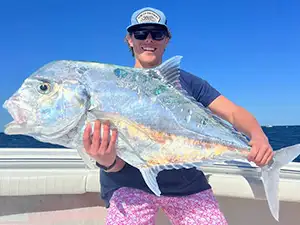
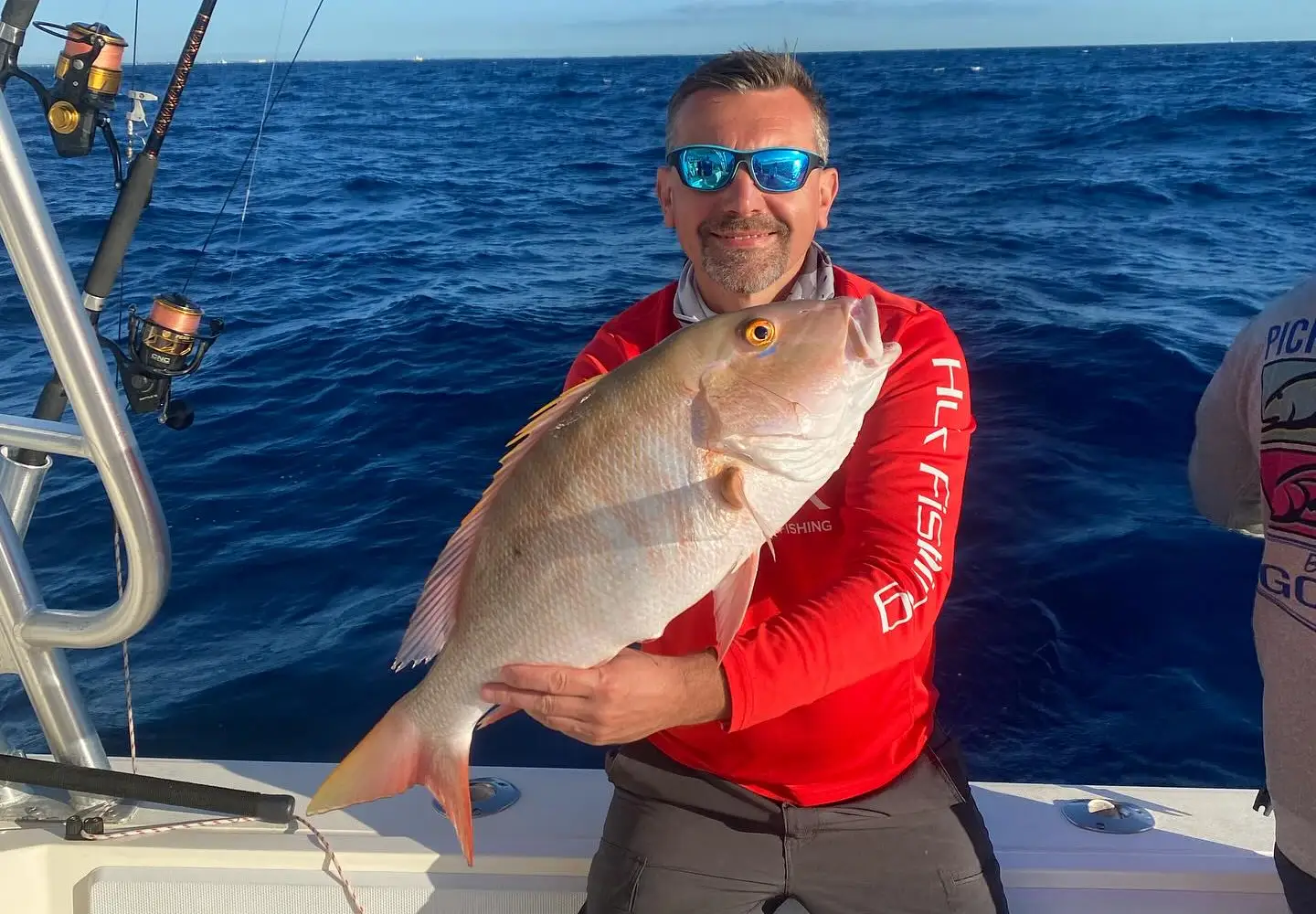
Angler in Islamorada holding a large mutton snapper on a boat

Islamorada is widely known as the sportfishing capital of the world, and the geography around Upper Matecumbe Key makes that reputation well-earned. Backcountry flats stretch endlessly toward the Everglades, the Atlantic reef line sits minutes from the marina, and deep offshore humps rise out of the Straits of Florida within realistic full-day range. Each type of fishing trip in Islamorada offers its own style, species mix, and expectations, giving anglers multiple ways to experience the region’s waters.

Backcountry Fishing

Backcountry trips in Islamorada run west into the calm basins and mangrove islands behind Tea Table Key, Lower Matecumbe, and Shell Key. The water here is shallow and protected, which eliminates almost all wave action. This is the most stable, seasickness-free fishing available in the Keys. Flats extend for miles with turtle grass meadows, white sand patches, and channels where tidal flow concentrates fish. The scenery is quiet and remote, filled with wading birds, rays, dolphins, and rolling tarpon.
 
Species include redfish, snook, sea trout, mangrove snapper, barracuda, jacks, bonefish, and seasonal tarpon. Spring tarpon fishing is a major draw in Islamorada. Migratory schools push through Channel Five, Channel Two, and the bridges around Indian Key, where early mornings often show dozens of rolling fish. Bonefish tail along oceanside flats south of Upper and Lower Matecumbe, and the calm, clear water allows sight-casting with fly or light tackle. Guides commonly use shrimp, pilchards, crabs, and soft plastics depending on clarity and tide.
 
Backcountry fishing is ideal for anglers who prefer calm water, wildlife, and technical casting rather than heavy-duty battles. Ride times are short, keeping most of the day focused on fishing. Costs average 500 to 800 for half days and 800 to 1,200 for full days depending on season. Expect quiet water, close wildlife encounters, and a highly visual style of fishing.
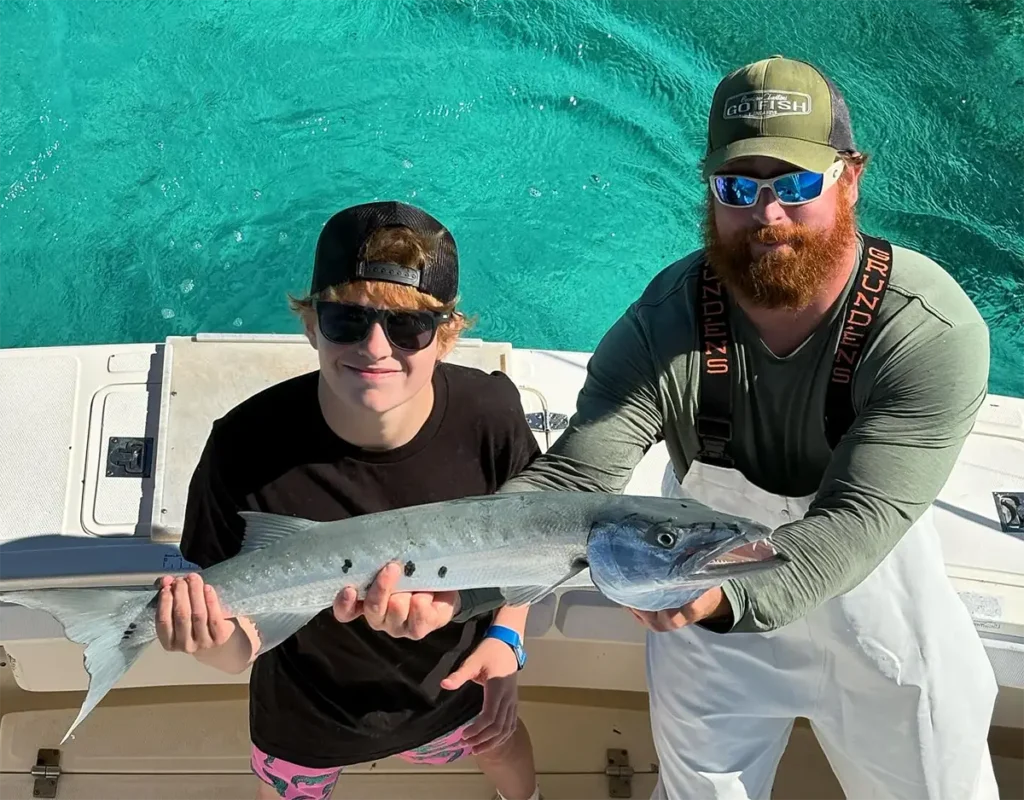
Two anglers in Islamorada holding a barracuda over turquoise water

Inshore, Reef, and Wreck Fishing

Running south from Islamorada puts boats on some of the most productive reefs in the Keys. Patch reefs sit in 20–40 feet of water, while the main reef line near Alligator Reef Light, Crocker Reef, and Davis Reef holds yellowtail, mangrove snapper, mutton snapper, grouper, porgies, and barracuda. Seas can range from calm to moderately choppy depending on wind, but the reef is close enough to keep the ride manageable.


Species include yellowtail snapper, mangrove snapper, mutton snapper, black grouper, red grouper, amberjack, cero mackerel, kingfish, and barracuda. Many captains anchor at Alligator Reef to chum heavily for yellowtail, where snapper rise into the slick and feed close to the surface. Wrecks such as the Eagle in roughly 110 feet hold amberjack, mutton snapper, and sometimes permit. Live pilchards, ballyhoo, pinfish, and cigar minnows form the backbone of most reef programs, along with jigs and weighted rigs for bottom structure.


Reef and wreck trips offer consistent action, strong variety, and ideal conditions for anglers wanting fillets. Half-day reef trips usually cost 600 to 1,000, and full days 1,000 to 1,600 depending on bait and depth. Expect turquoise water, visible coral heads, steady bites, and the chance to fish around iconic structures like Alligator Reef Light.

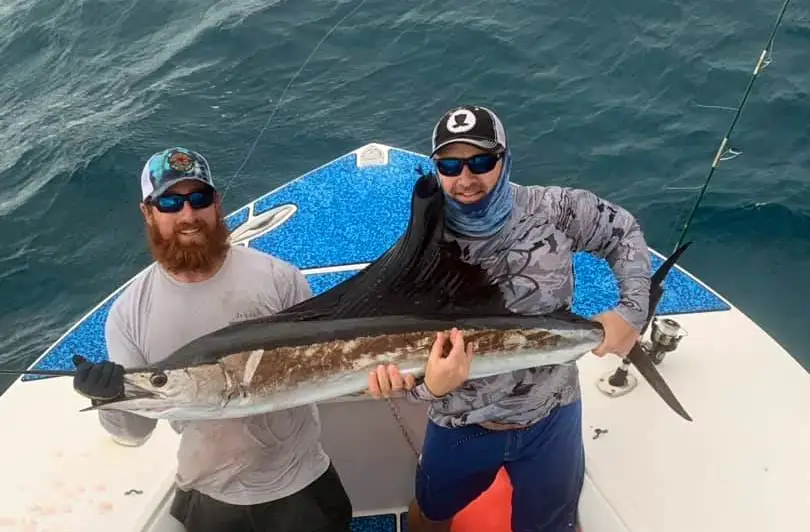
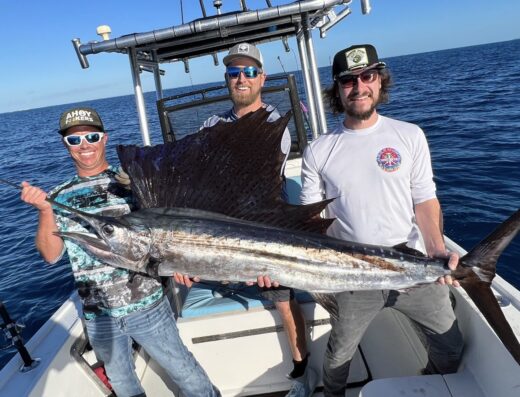
Two anglers in Islamorada holding a sailfish on the bow of a boat

Deep Sea Offshore Fishing

Islamorada offshore runs push past the reef line and into the Straits of Florida, where deep structure and Gulf Stream currents create powerful upwellings. The Islamorada Hump, rising from over 1,000 feet to around 409 feet, is the signature offshore target. Reaching it normally takes forty to fifty minutes depending on seas. Once offshore, the water deepens quickly, and seasickness becomes more of a factor.
 
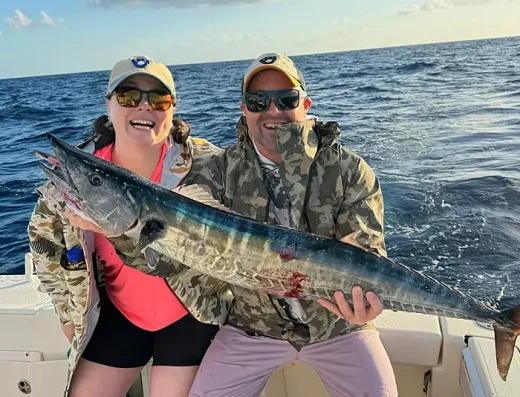
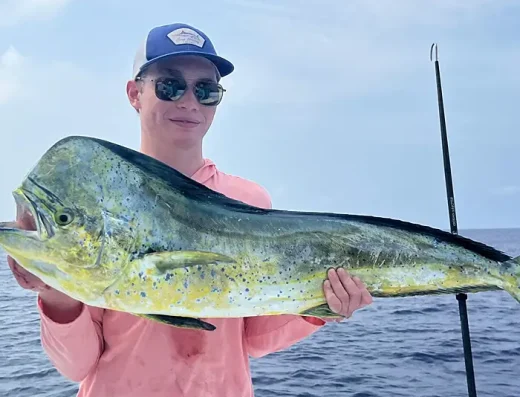
Offshore species include mahi-mahi, blackfin tuna, skipjack, amberjack, sailfish, wahoo, and occasional marlin. During summer, weedlines and rips form offshore, holding mahi and schoolie tuna. Winter and early spring bring sailfish along the reef edge, where captains kite-fish with live goggle-eyes or ballyhoo. The humps provide reliable tuna action year-round, with blackfins often rising to chase live baits and metal jigs. Deep-dropping for tilefish, snowy grouper, and queen snapper is also an option on longer full-day runs.
 
Offshore fishing in Islamorada offers classic big-game potential, fast fish, and the excitement of pelagic movement. Pricing typically runs 900 to 1,400 for half days and 1,600 to 2,500 for full days depending on distance and fuel. Expect long runs, open-water scenery, and the possibility of high-energy battles.

Choosing the Right Islamorada Trip

Islamorada delivers world-class fishing across all three categories. Backcountry fishing offers calm water, flats, wildlife, and sight-casting. Reef and wreck trips provide variety, steady action, and the chance to take home snapper and grouper. Offshore fishing gives anglers access to tuna-rich humps, sailfish concentrations, and summer mahi along weedlines. With everything located within short run distance, Islamorada makes it easy to match a trip to weather, skill level, and target species.