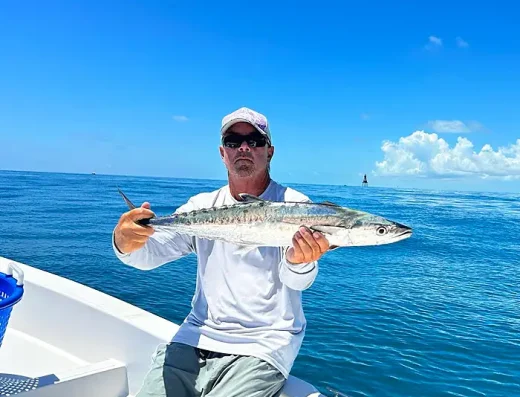
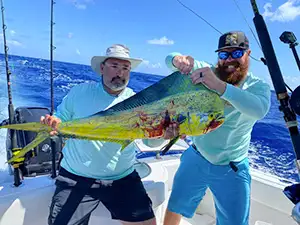
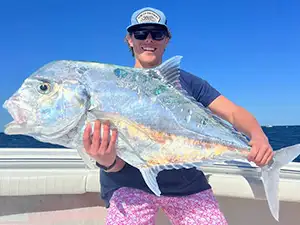
The Florida Keys offer a range of charter experiences built around geography. The islands sit on the edge of Florida Bay to the north, the Atlantic reef line to the south, and the deep-water Gulf Stream just offshore. Understanding the three major trip types helps anglers choose the right experience for their skill level, budget, and expectations: Backcountry, Inshore/Reef/Wreck, and Deep Sea.
Backcountry Fishing
Backcountry trips run in the calm, shallow waters of Florida Bay and the protected edges of the Everglades. Captains launch from places like Key Largo, Islamorada, Marathon, and Big Pine, then run north or northwest into mangrove flats, basins, and channels. The scenery is quiet and expansive, with bird rookeries, mangrove shorelines, and flat, glassy water that rarely exceeds a gentle ripple. Because these trips take place in the lee of the islands, seasickness is almost nonexistent. Boats are usually skiffs, bay boats, or technical poling craft designed to move silently across water often less than five feet deep.
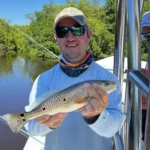
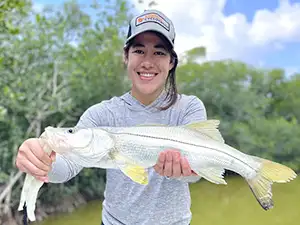
Backcountry species revolve around the inshore “slam” targets: bonefish, tarpon, permit, snook, redfish, sea trout, and mangrove snapper. In spring and early summer, the migration of tarpon through channels like Channel Five, Long Key Bridge, and the back side of Islamorada creates one of the most reliable tarpon fisheries in North America. Bonefish tail across flats such as the Key Largo flats, with Islamorada guiding culture deeply tied to poling sight-fishing skiffs over white sand and turtle grass. Fly fishing is common, but captains also use live shrimp, crabs, pinfish, and soft plastics depending on water clarity.

The advantage of a backcountry trip is stability and access. Conditions remain manageable even on windy days because the islands block the open Atlantic. Ride times are short, typically 10 to 20 minutes from the dock, keeping the actual fishing time high. These trips work well for beginners, kids, non-anglers, or anyone wanting a low-stress, scenic day on the water. Costs range lower than offshore, with half days often in the 500 to 800 range and full days between 800 and 1,300 depending on the guide, boat, and season. Expect wildlife, tranquil water, and highly visual fishing where you can watch fish move across the flats.
Inshore, Reef, and Wreck Fishing
Inshore and reef trips run south toward the Atlantic side, targeting patch reefs, shallow rubble piles, and the outer reef line stretching from Key Largo’s Molasses Reef down through Alligator Reef, Sombrero Reef, and Looe Key. These waters are usually 20 to 120 feet deep and offer the highest fish variety in the Keys. Seas can be choppy depending on wind direction, but because you remain relatively close to shore, conditions are manageable compared to offshore runs. The scenery shifts from shallow turquoise water to deeper blue over the reef crests, with clear visibility and coral heads scattered across the bottom.
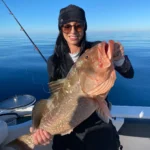
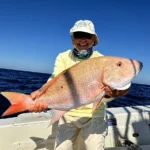
Species include yellowtail snapper, mangrove snapper, mutton snapper, black grouper, red grouper, amberjack, barracuda, cero mackerel, king mackerel, and occasionally mahi close to the edge. Many captains anchor on the reef line to chum for yellowtail, where fish rise behind the boat in the slick and feed near the surface. Others drift or slow-troll over wrecks such as the Eagle off Islamorada, the Thunderbolt off Marathon, or the Adolphus Busch Sr. off Key West. Wrecks in 100 to 250 feet produce strong jacks, mutton snapper, and grouper. Light-tackle live baiting is common, with pilchards, ballyhoo, pinfish, and cigar minnows forming the foundation of most reef programs.
The main advantage of these trips is consistent action. You’re rarely waiting long for a bite, and the mix of species keeps rods bending. These trips also provide memorable scenery as you work along the Keys’ iconic lighthouse structures like Alligator Reef Light or American Shoal Light. Seasickness is possible on windy days but far less intense than offshore because travel distances are shorter and boats can reposition quickly. Costs usually fall between backcountry and deep sea, with half days around 600 to 1,000 and full days from 1,000 to 1,600. Expect steady fishing, a mix of anchoring and drifting, and the chance to bring home fillets.
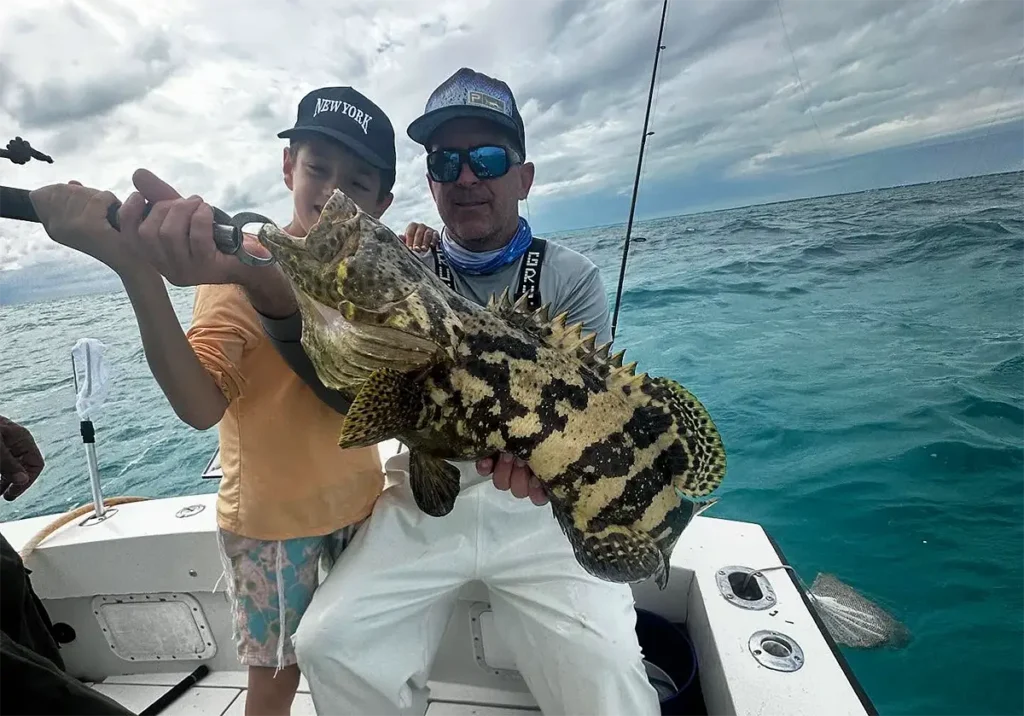
Deep Sea Offshore Fishing
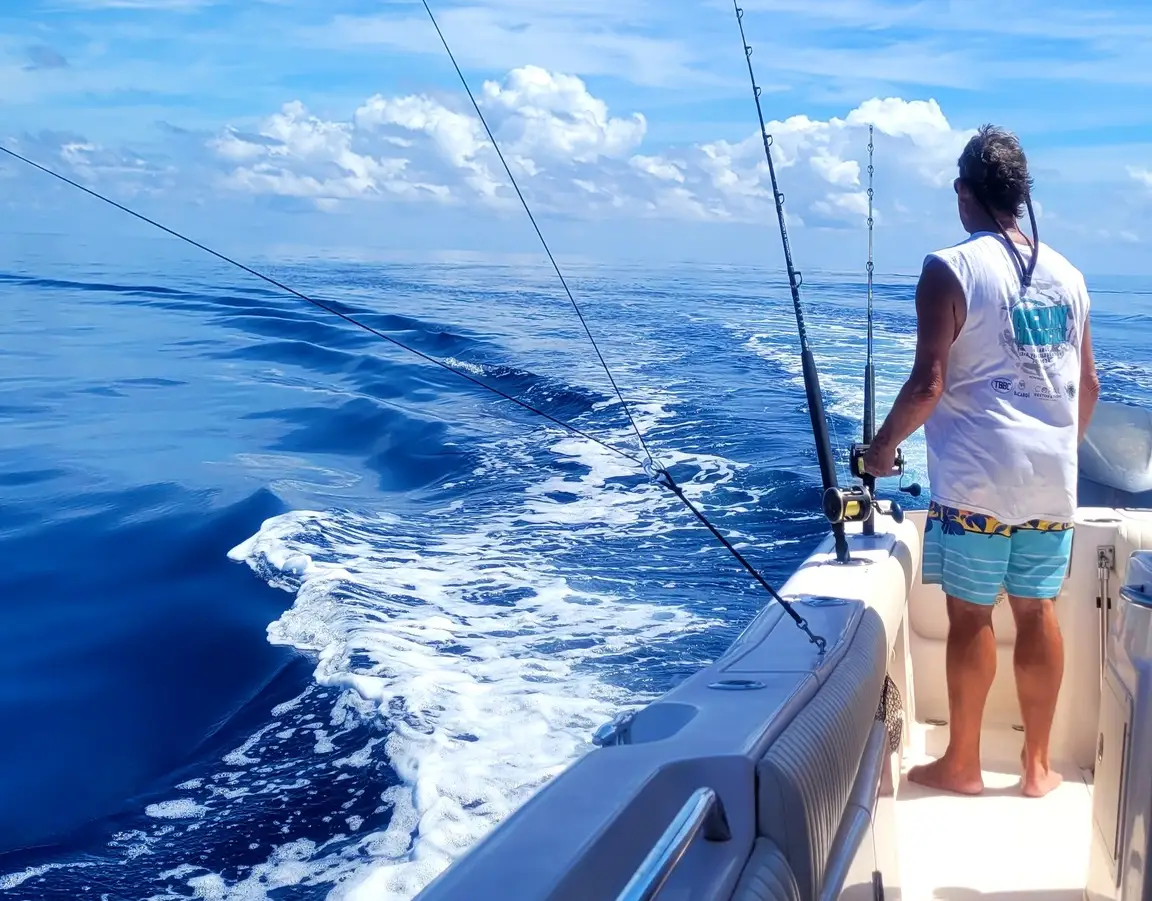
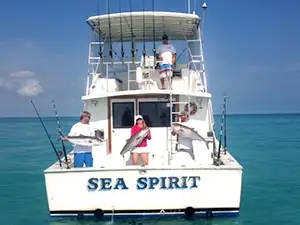
Deep sea trips push past the reef line and into the open Atlantic, often running eight to twenty miles offshore depending on the season and target. This is where the Gulf Stream sweeps closest to the Keys, creating sharp color changes, weedlines, rips, and temperature breaks that hold pelagic fish. The scenery is true bluewater: endless horizon, flying fish skipping ahead of the boat, and towering cloud formations over the Gulf Stream. Seas can be rough on windy days, and seasickness becomes a real factor for some anglers. Boats are center consoles or sportfishers equipped for long runs and heavy-duty trolling.

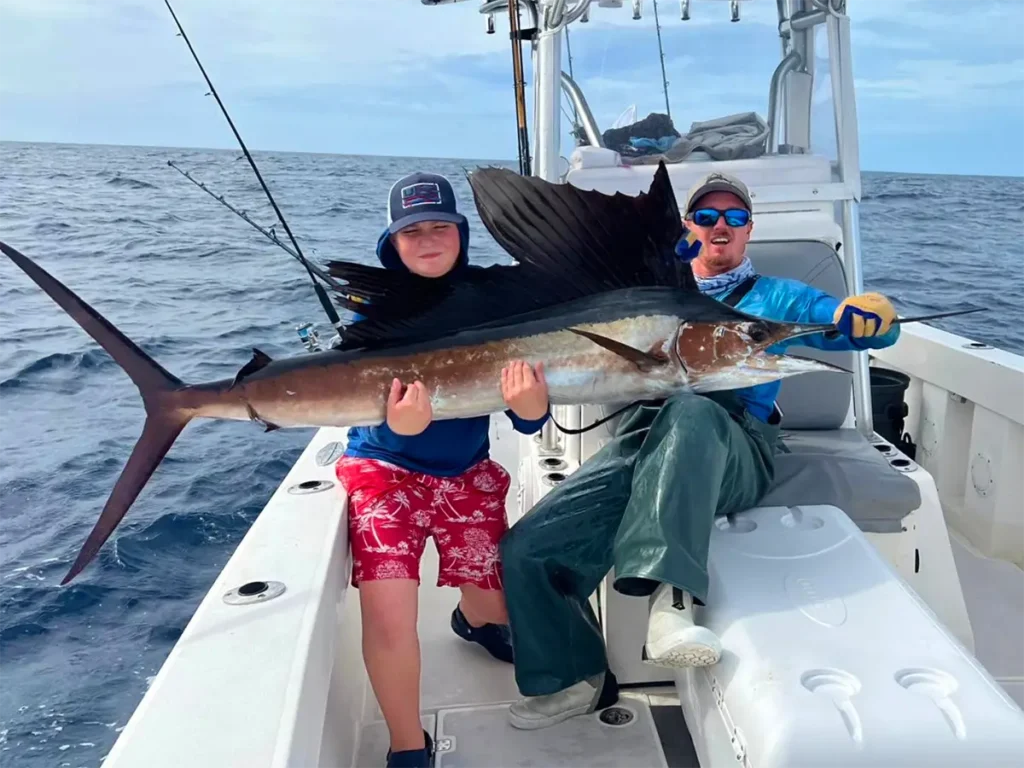
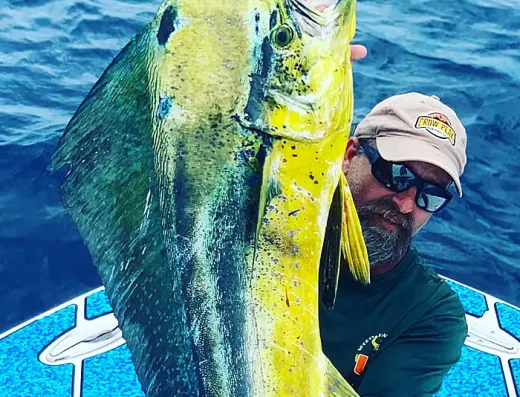
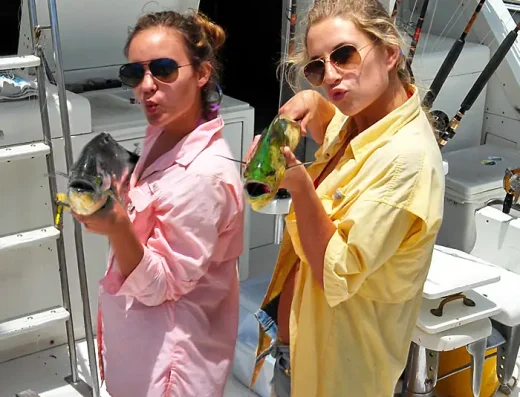
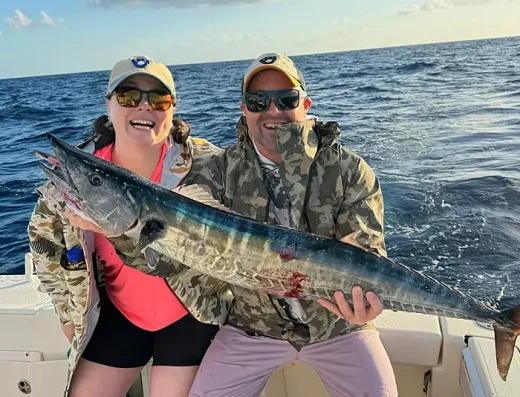
Species include mahi-mahi, blackfin tuna, skipjack, sailfish, swordfish, wahoo, and deep-drop targets such as snowy grouper, tilefish, and queen snapper. Popular zones include Islamorada’s offshore humps like the Islamorada Hump at 409 feet and the Marathon Hump at 480 to 1,100 feet, which hold tuna, amberjack, and billfish. Trolling ballyhoo spreads, skirted lures, and strip baits is the standard program, while kite fishing for sails is common from December through April near Key Largo and Islamorada. Deep dropping with electric reels for tilefish and snowy grouper is also becoming a specialized option on full-day trips.
The advantage of offshore fishing is the potential for big-game species and high-adrenaline runs. These trips deliver the classic “Keys bluewater” experience with long runs, powerful fish, and the chance at trophies. Expect more travel time than fishing time, especially when captains search for weedlines or bird activity. Because of the distance and fuel costs, offshore trips are the most expensive. Most half-day offshore charters still start near the reef and run 5 to 10 miles out, priced around 900 to 1,400. True full-day bluewater runs typically range from 1,600 to 2,400 and climb higher for large sportfish yachts or swordfishing specialists.
Choosing the Right Keys Trip
The Florida Keys provide a full menu of fishing environments in a compact island chain. Backcountry is calm, wildlife-heavy, and technique-focused. Reef and wreck trips balance action with variety and offer the best chance to take home fish. Deep sea runs target pelagics, structure-driven tuna zones, and true big-game opportunities. Each category has distinct scenery, species, travel times, and costs, and all three are shaped by well-known landmarks such as the Seven Mile Bridge, Alligator Reef Light, Sombrero Light, the Islamorada and Marathon Humps, and the mangrove backcountry of Florida Bay.